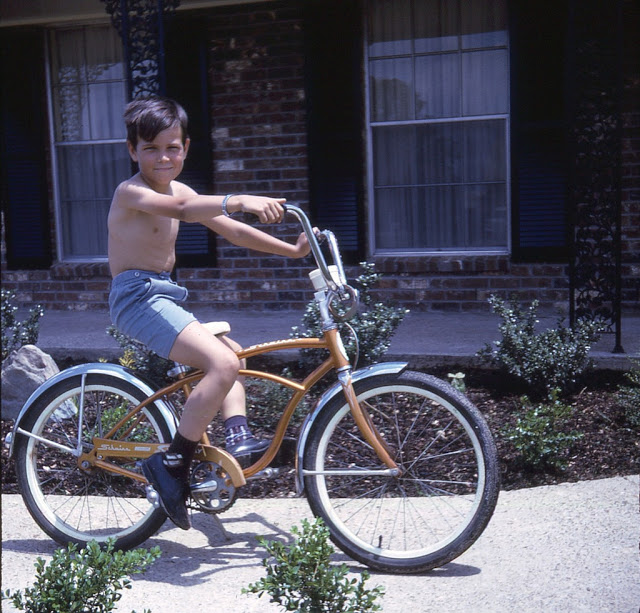
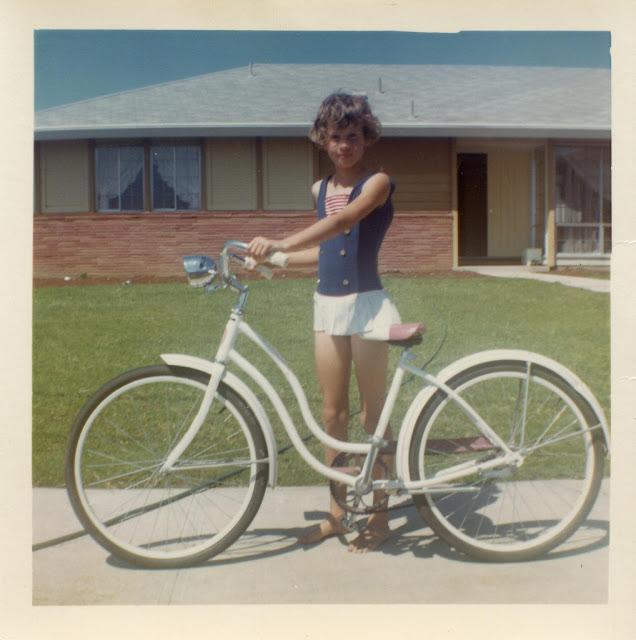
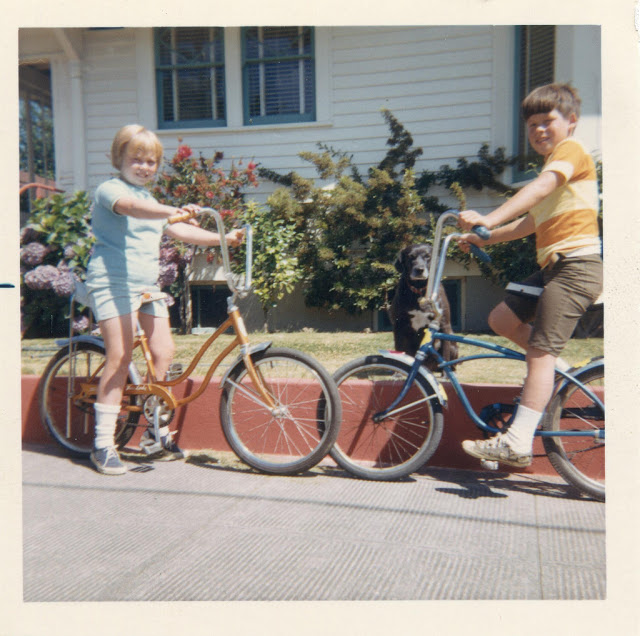
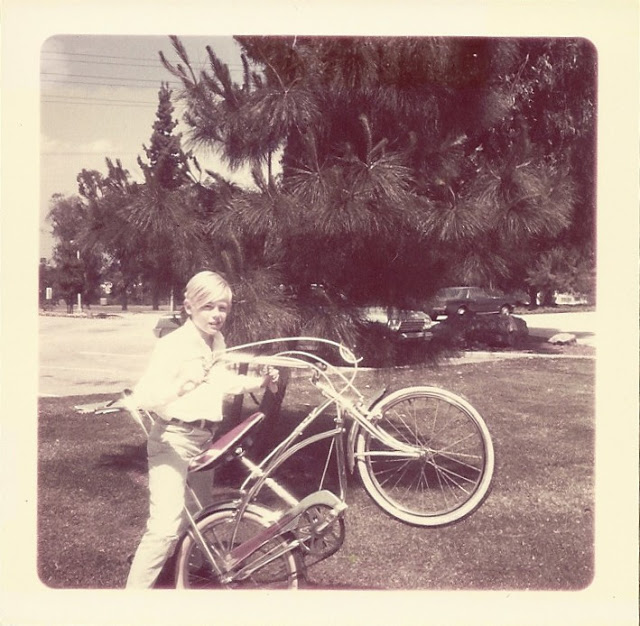
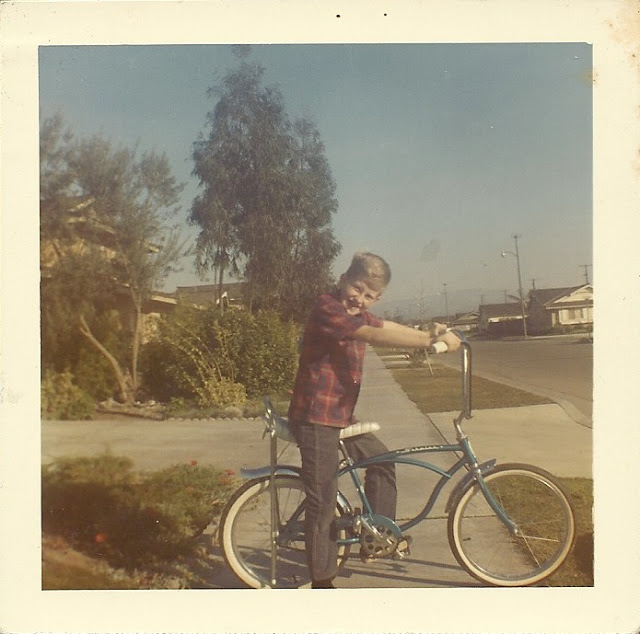
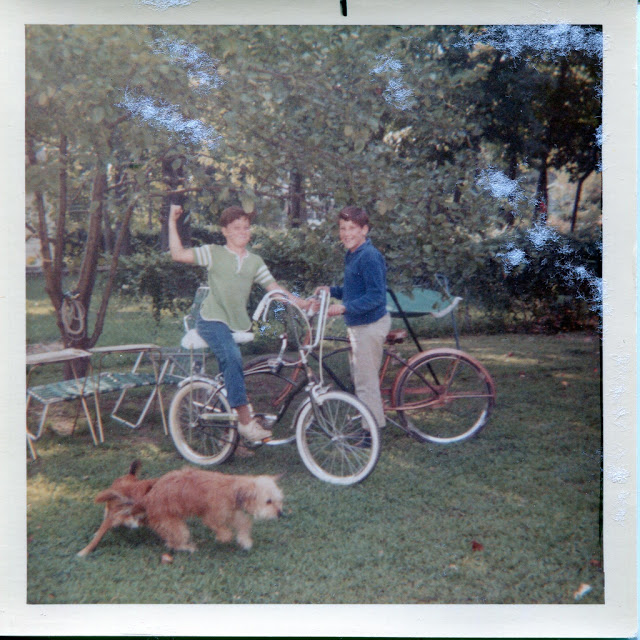
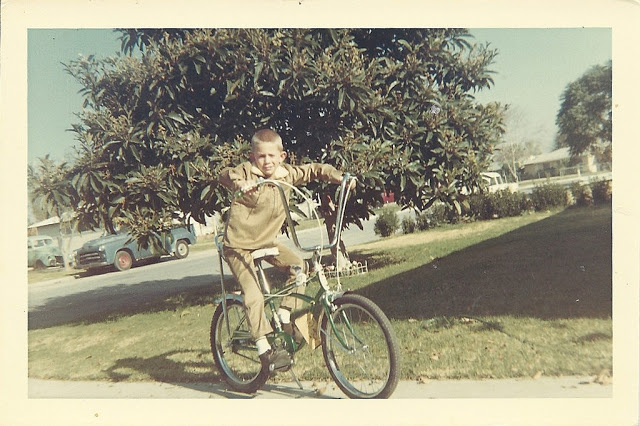
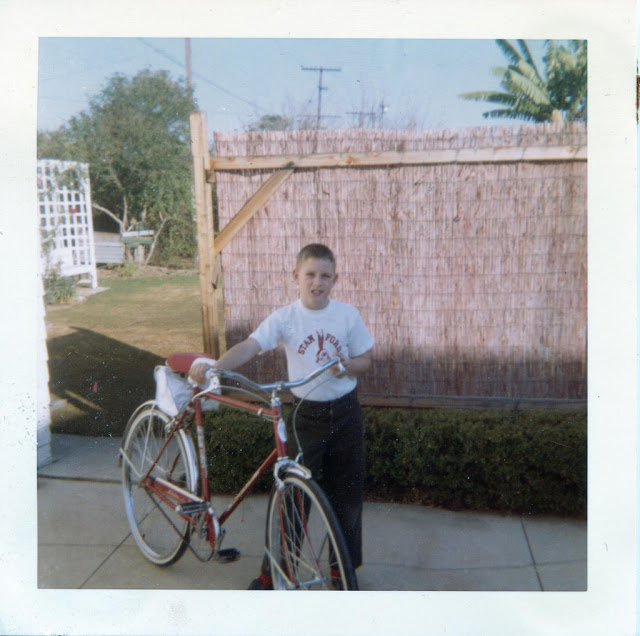
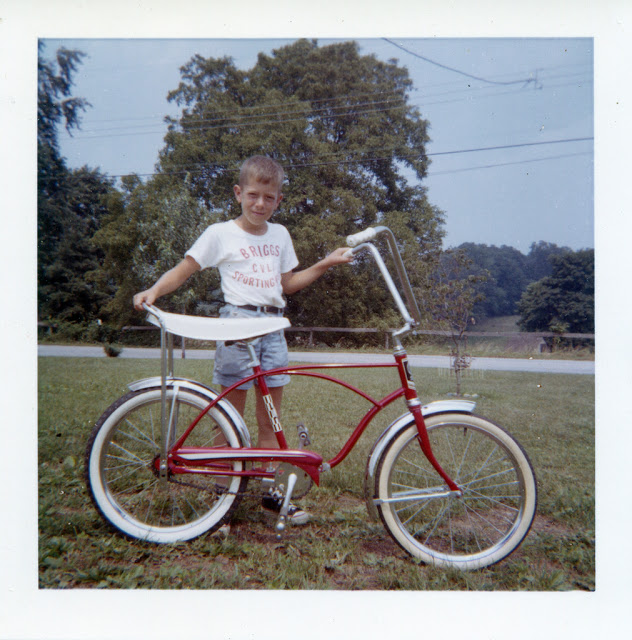
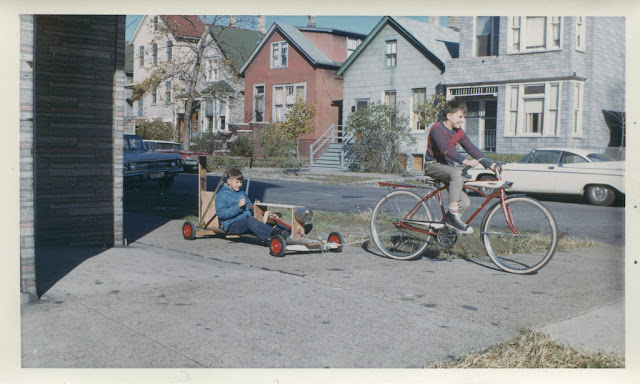
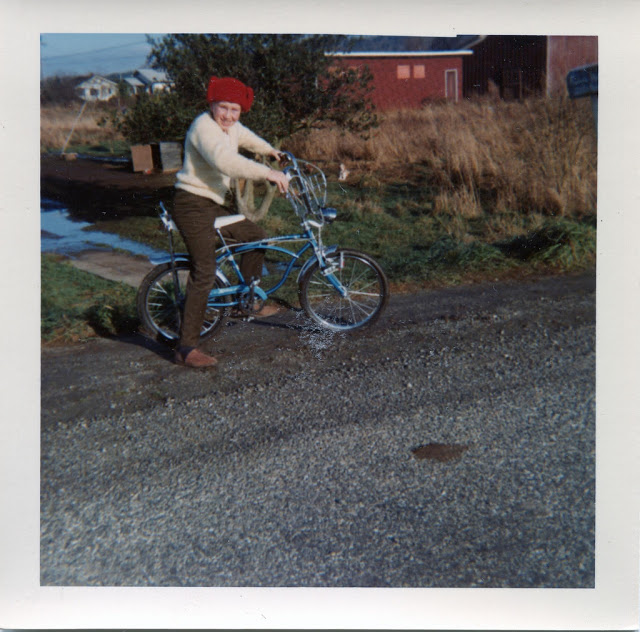
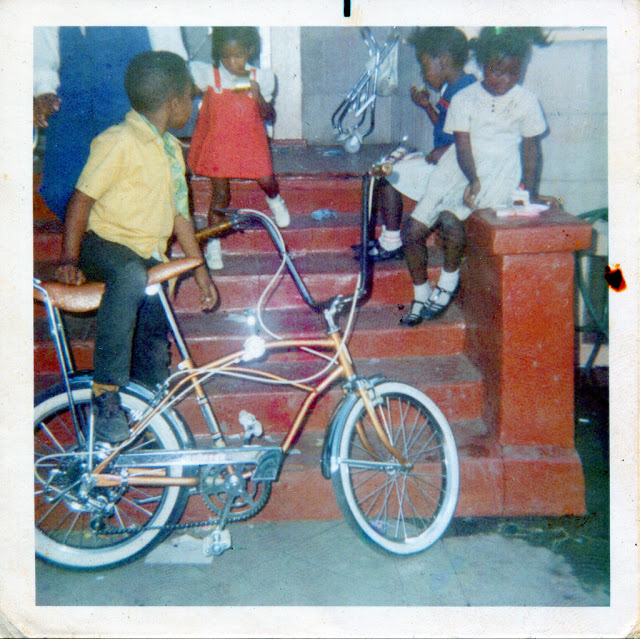
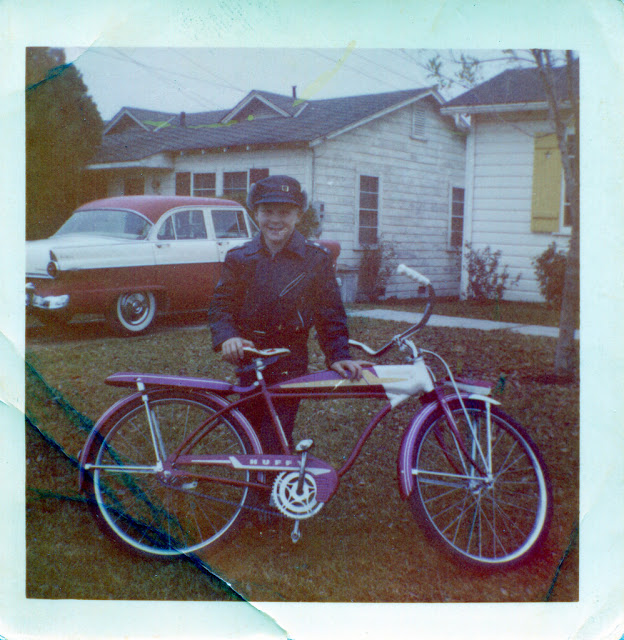
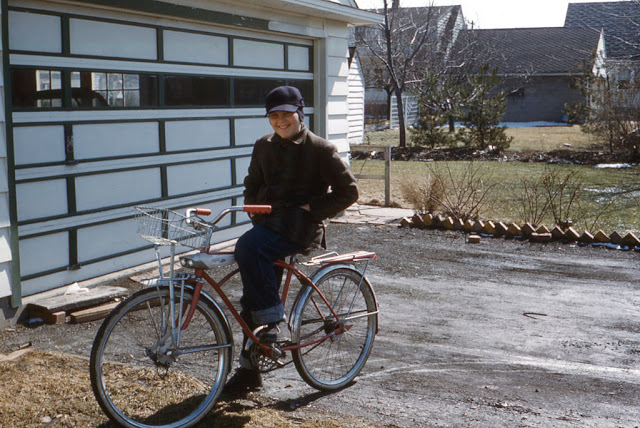
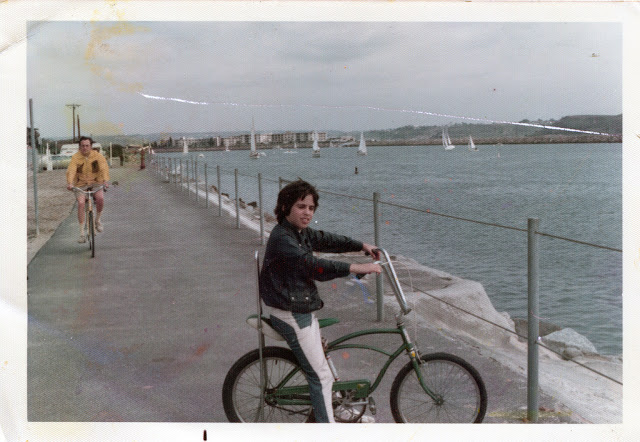
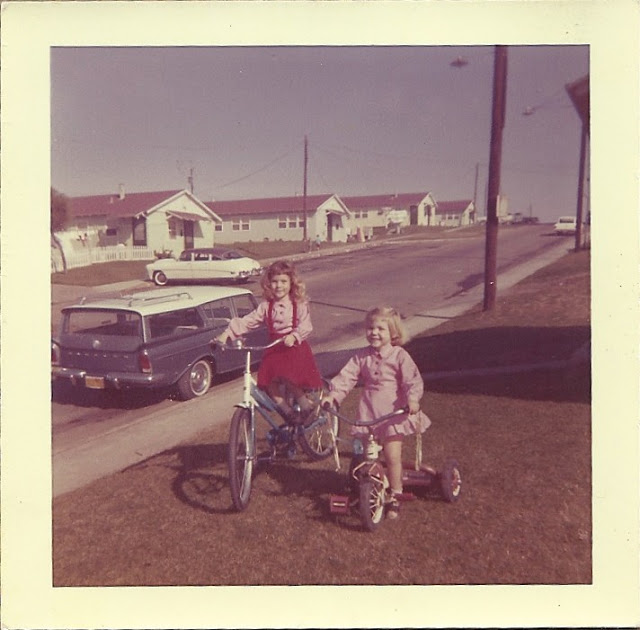
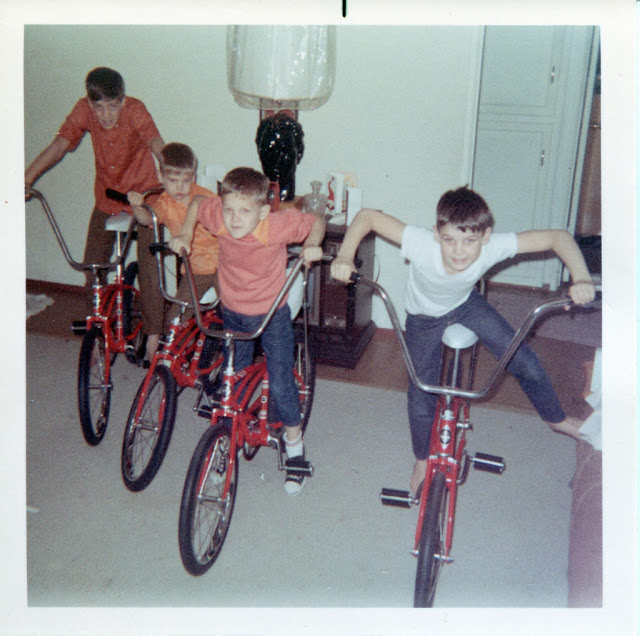
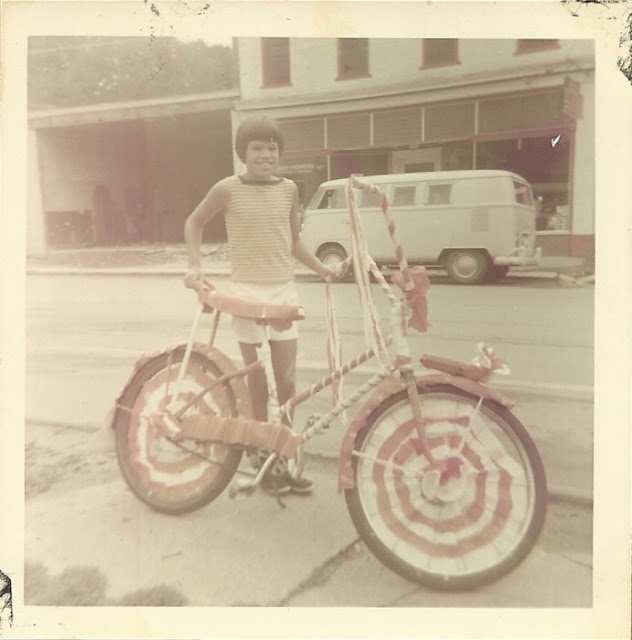
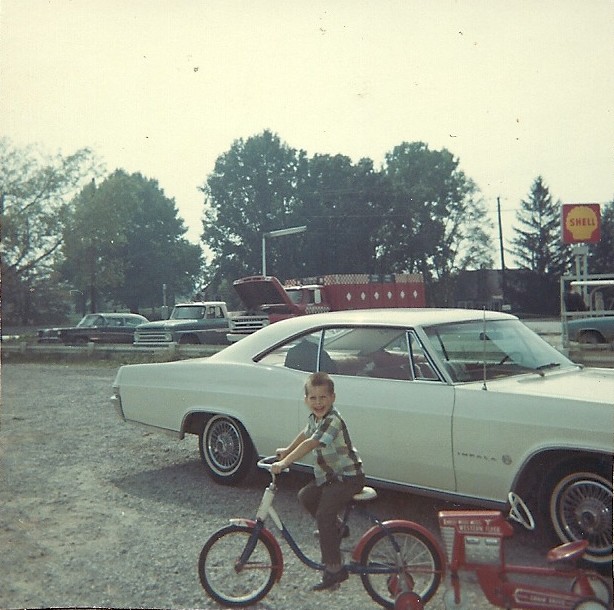
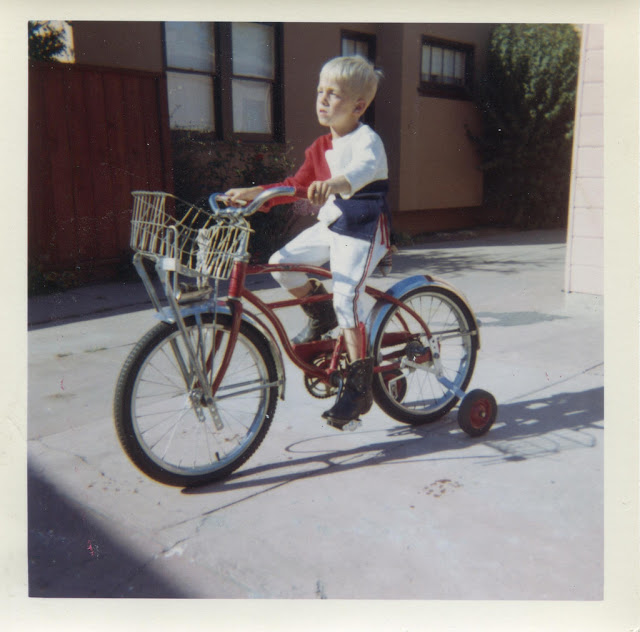
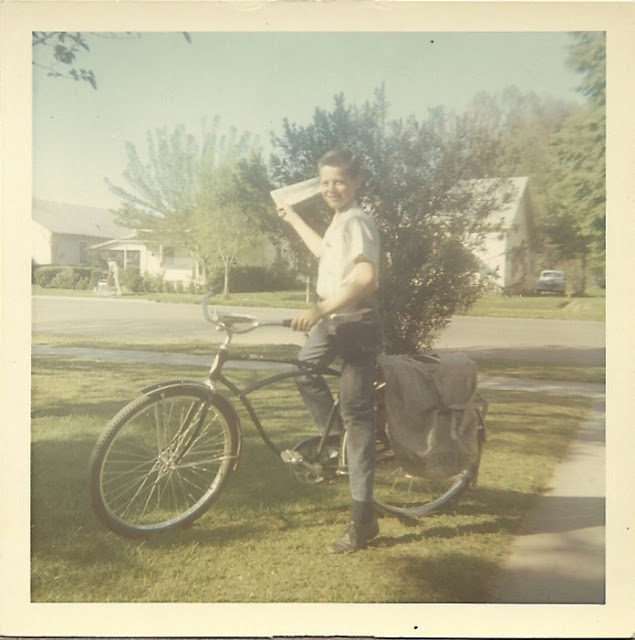
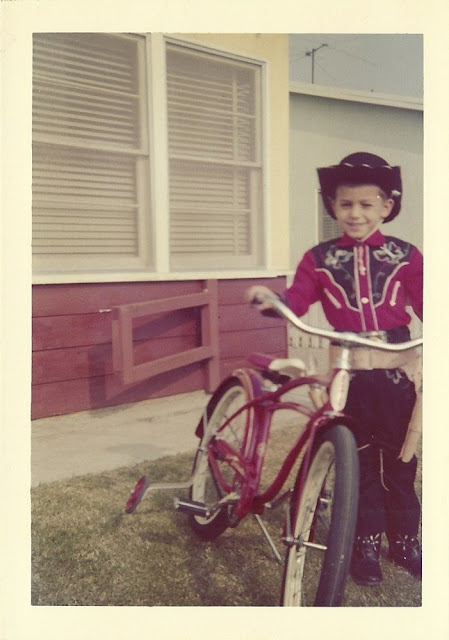
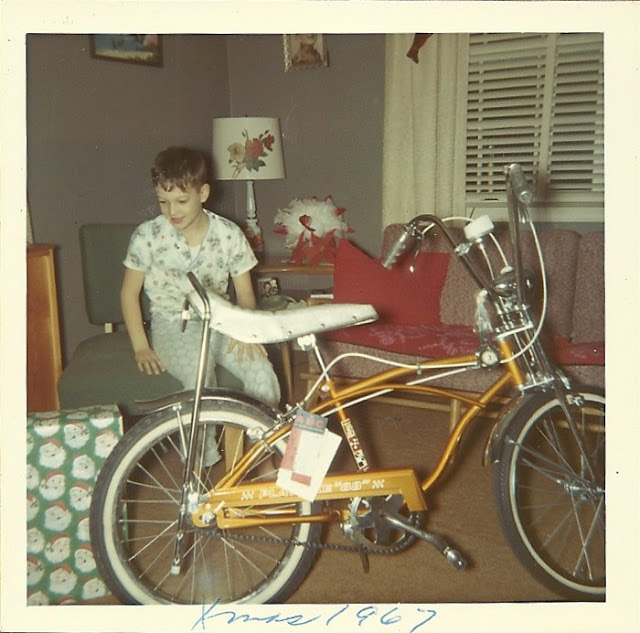
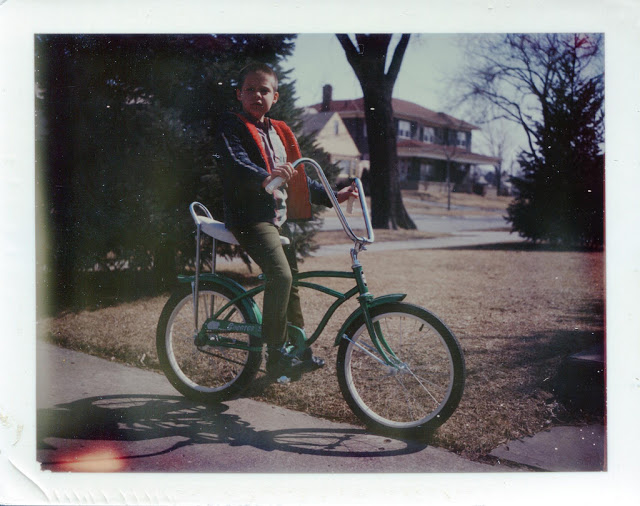
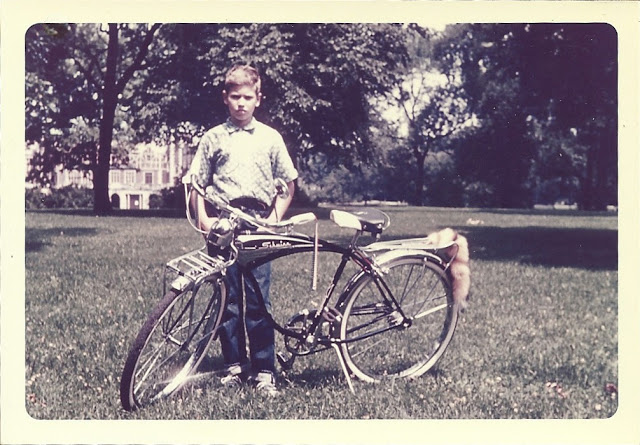
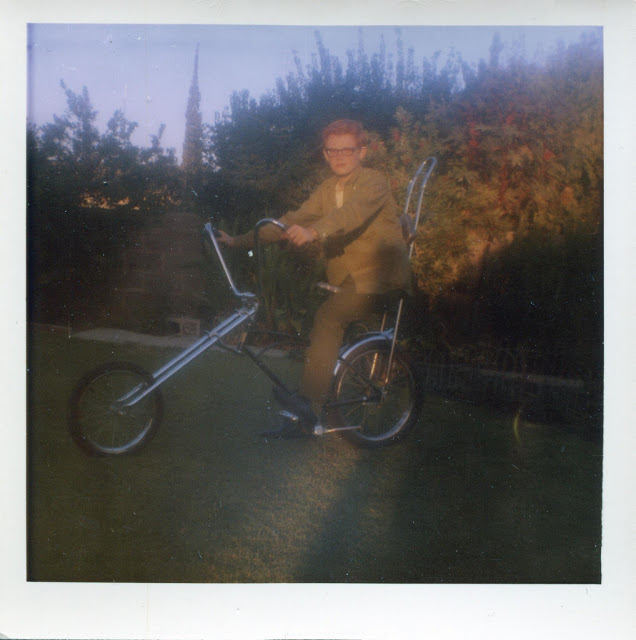
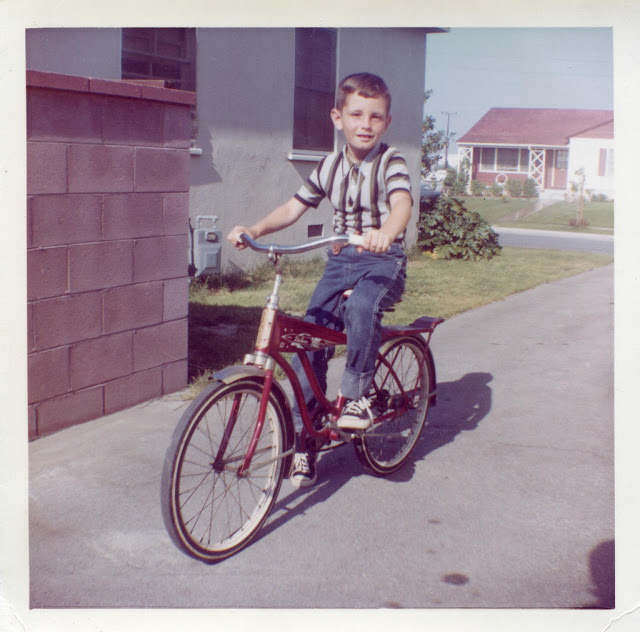
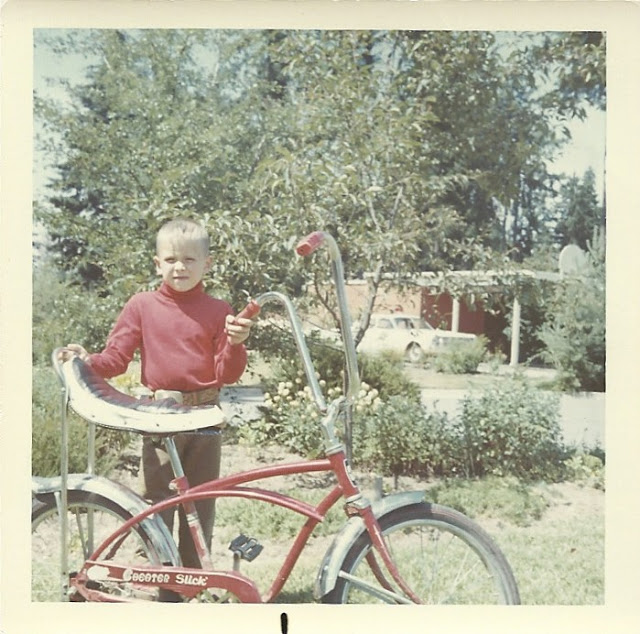
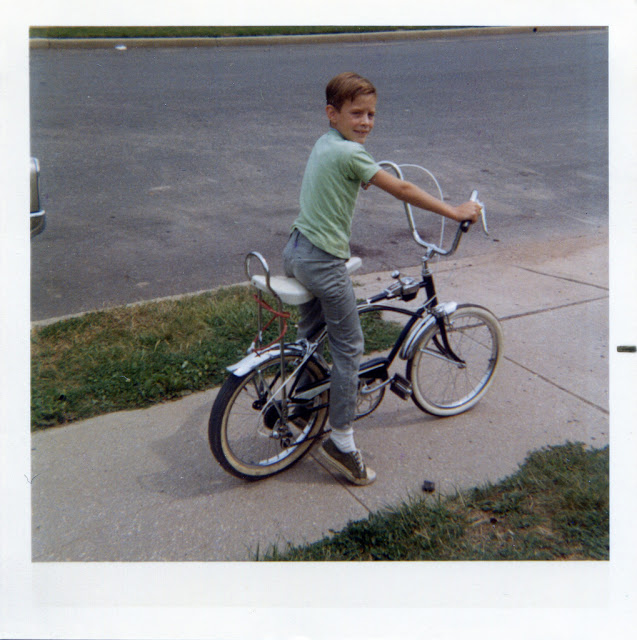
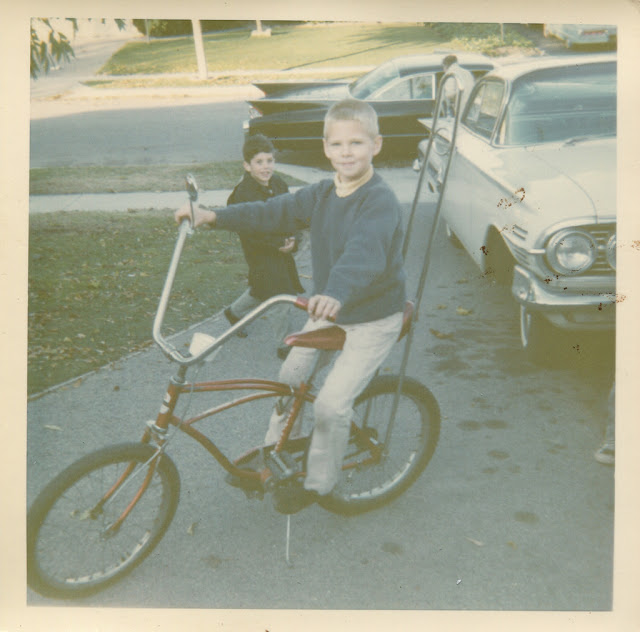
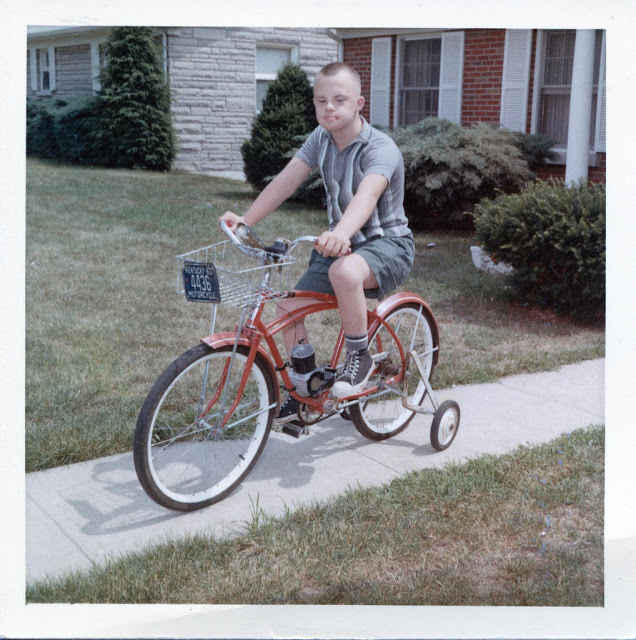
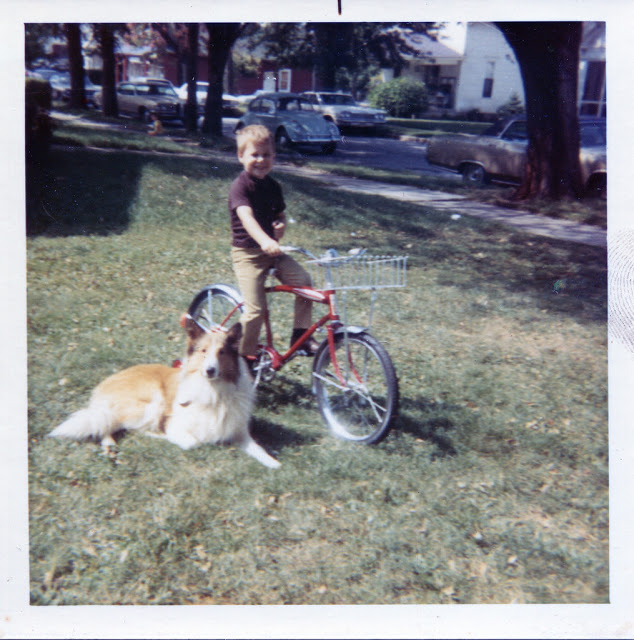
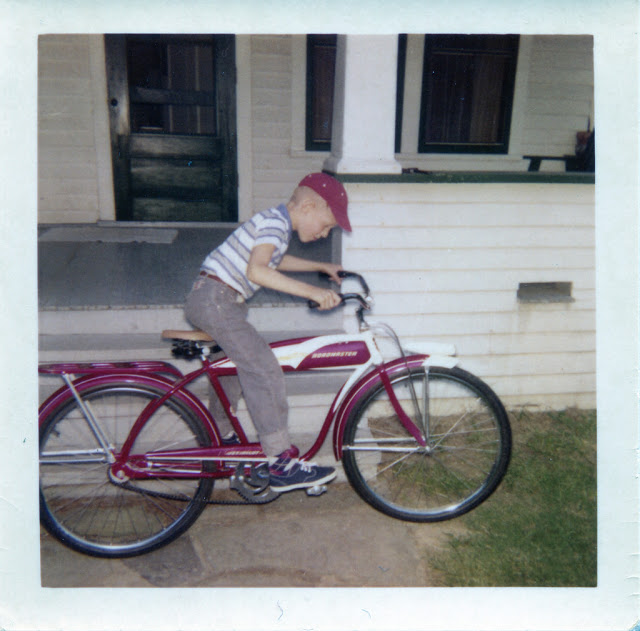
Cool Color Snapshots of Kids with Their Bicycles in the 1950s and 60s

As the youngest I never had a bike as nice as any of these and never had a Stingray. I always inherited my older brother’s cast-offs. To this day, I’m more comfortable on a bicycle frame that’s 1″-2″ taller than it should be for my height.

Source: Zaz von Schwinn’s amazing Flickr collection of vintage bike photos

And here’s another collection of fun and interesting Wheee(ls)!:

Posted in Uncategorized | Leave a comment

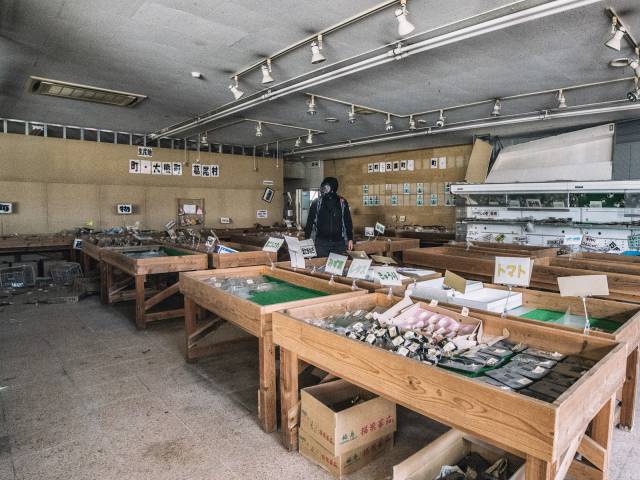
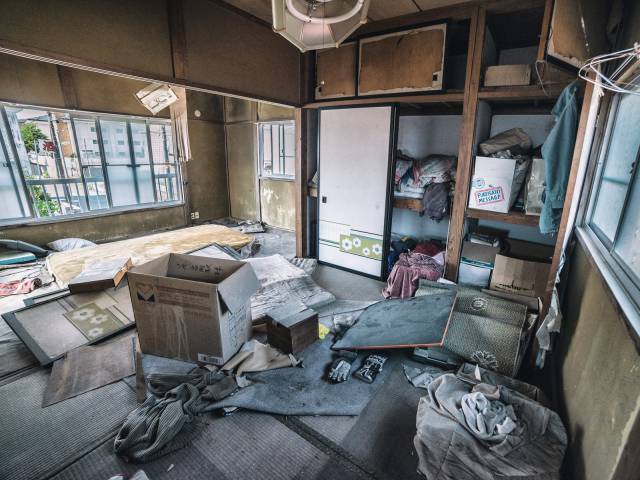
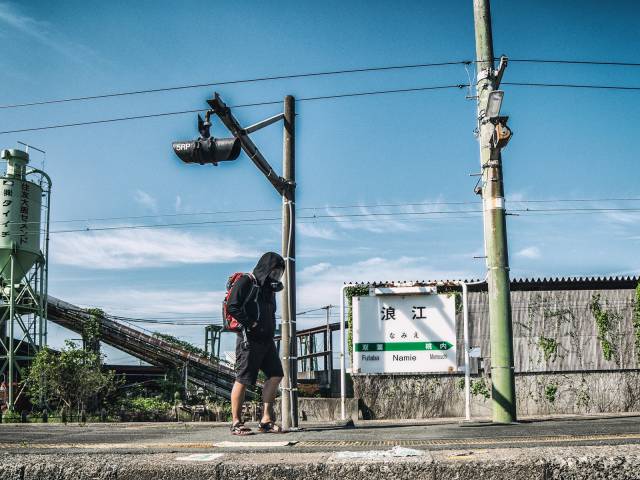
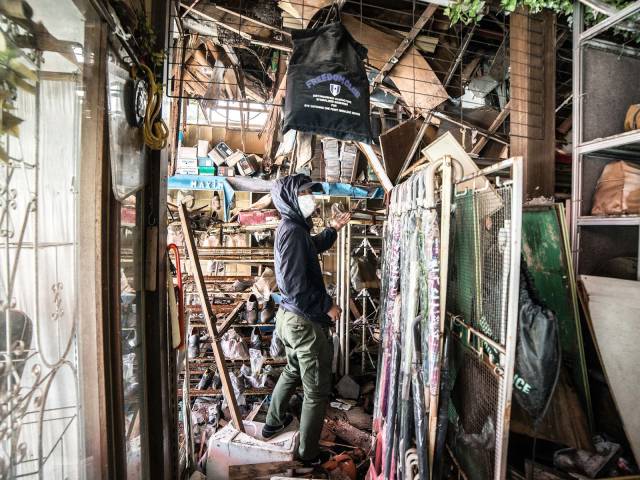
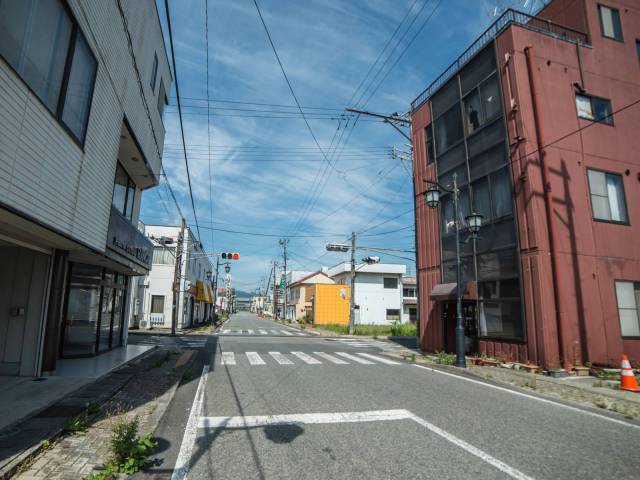
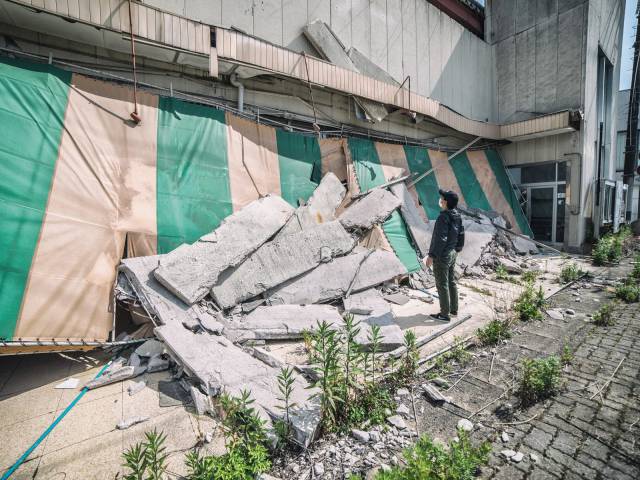
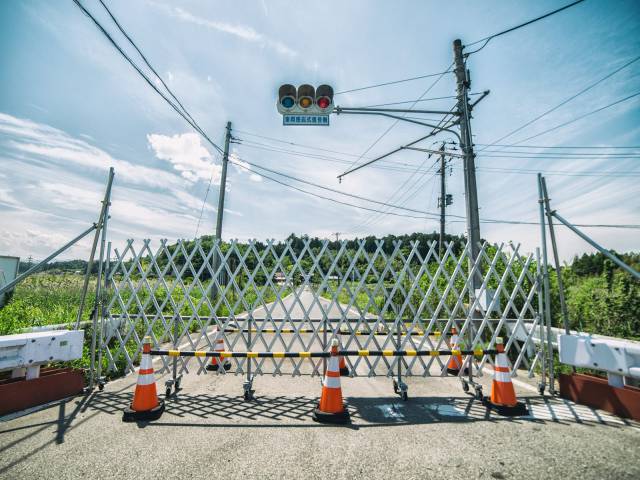
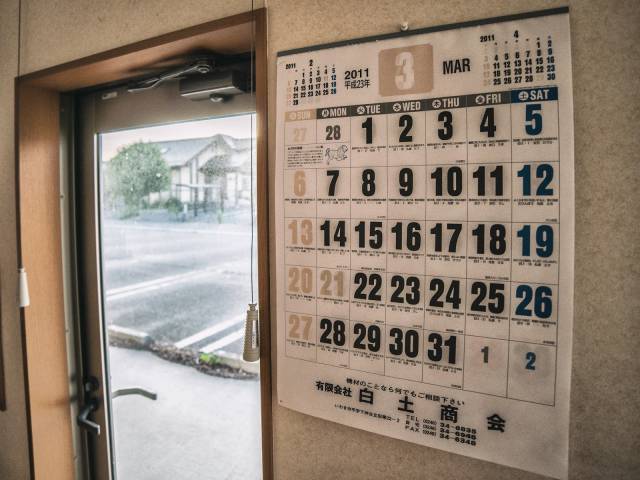
Never-Before-Seen Photos Of Fukushima’s Ghost Town (27 pics)

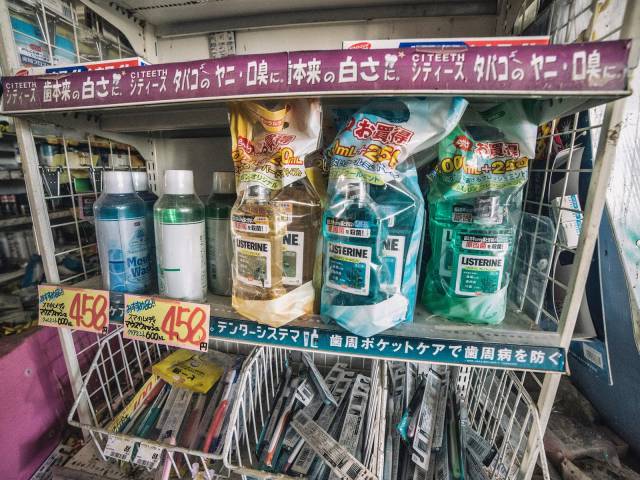
Urban explorer and photographer Keow Wee Loong illegally visited abandoned settlements around the Fukushima Daichii nuclear power plant and produced a series of photos of a post-apocalyptic world inhabited only by feral beasts.
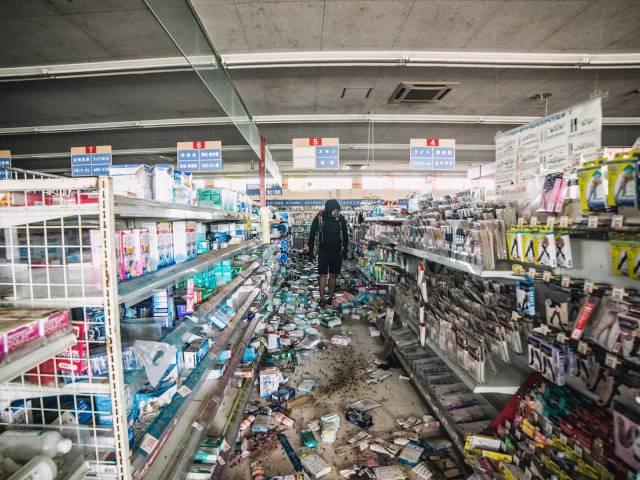
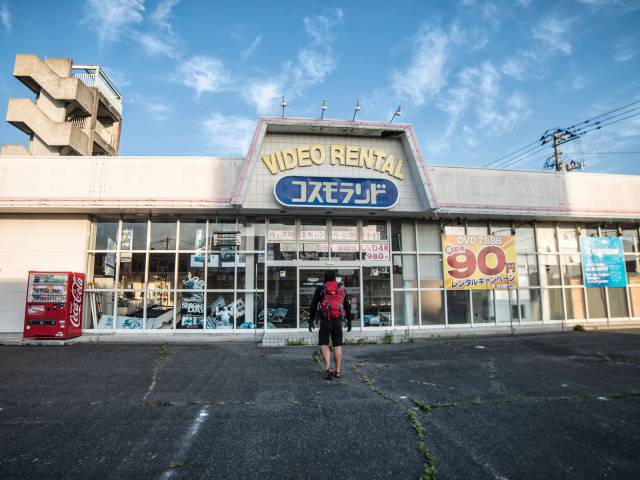
The Malaysian photographer said that he didn’t have the time or money to obtain a permit to visit the 30 kilometer exclusion zone set up in the wake of the 2011 tsunami and earthquake that caused multiple nuclear reactor meltdowns – so he simply parked his car and walked straight across the Red Zone immediately next to the stricken facility on Japan’s east coast.

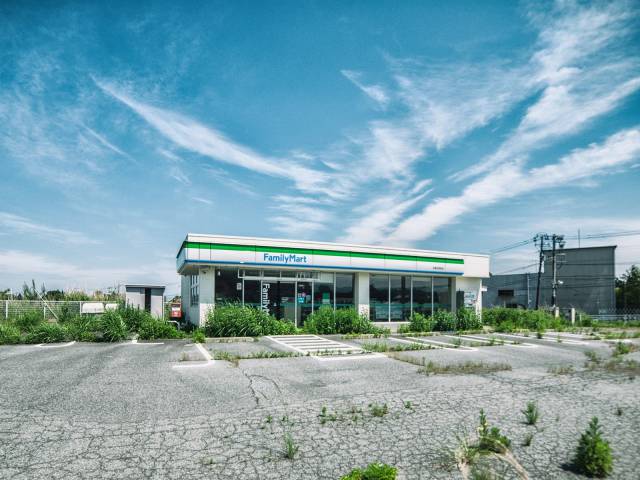
 

“I wanted to fill in the gaps that other photographers have left, those who entered legally and only had five hours to do all their work, I took 12” Loong told RT in a phone interview.

Despite often venturing into abandoned sites, Loong was taken aback.

“It’s very empty, it’s very quiet, and it’s kind of scary – walking around a town where there were once hundreds of people, but which is now totally empty.”

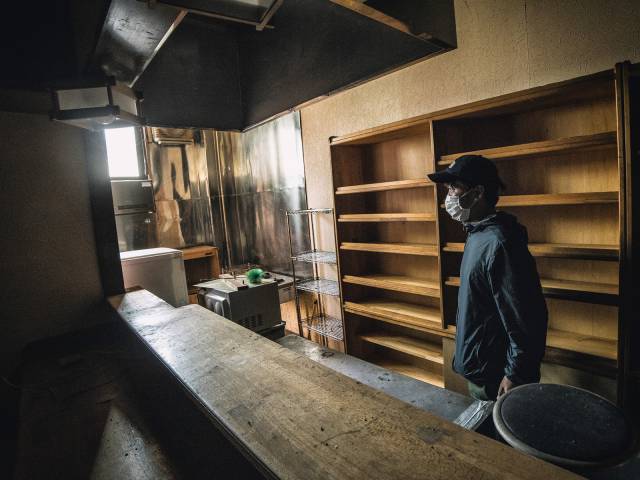
He soon walked into a shop – the door was open.

Inside the packaging had browned and the place was permeated with the smell of rotting meat, he said.

A pack of homeless dogs surviving on what remained ran out straight past him. The photographer says he also saw pigs, ducks, chickens, and cats roaming the streets.
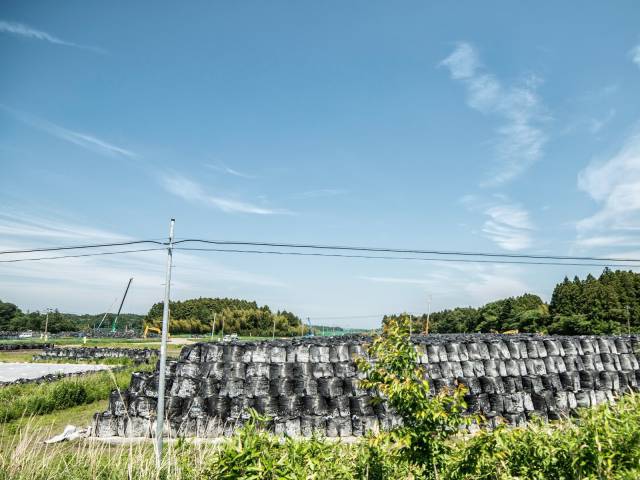
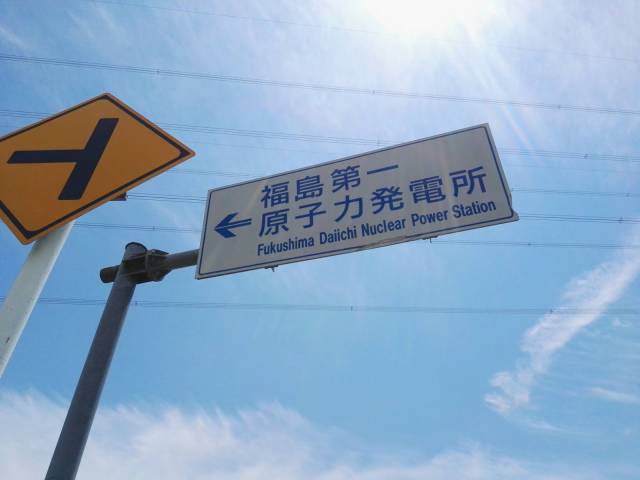
“Unlike Chernobyl, where everything valuable has been looted clean, here everything is in place.”

Loong says the tills in the shops still have untouched cash in them, while in the houses there is jewelry and cash lying around.

Unsettled by what he experienced, Loong got in his car and drove straight out.

“The scary part is not radiation,” says the explorer, stating that the dose he had been exposed to was unlikely to have long-term effects. “The scary thing is seeing life frozen, the effect of the earthquake, exactly at the moment it happened.”

“I want people to see the devastating effect of a nuclear disaster like Chernobyl or Fukushima. I don’t care about the fame, but I want people to see those photos.”

Loong also hopes that the shots of abandoned homes will attract attention to their former residents, some of whom have been living in temporary accommodation or with relatives for the past five years.

 

Posted in Uncategorized | Tagged , , , , | Leave a comment

KKK Flyers Appear in Haight Ashbury, Haight Responds Brilliantly

This is the original flyer that reportedly appeared on a few doorsteps in the Haight:

A day later this appeared on poles up and down Haight Street:

I think I’m in love with the Loyal White Lady Ally of the Haight!
I guess I’m not quite hip enough to get the meaning of the “Have Several Seats” meme. I assume it’s short for “Sit Down and Shut the Fuck Up!”

Top Photo: Nuala Sawyer, Hoodline/Lower Photo by Stan Flouride (w/thanks to David Bowman for pointing me to it)

KKK Flyers Appear On Upper Haight Doorsteps | Hoodline

Posted in Uncategorized | Tagged , , , , | Leave a comment

Mission Juno

NASA_Juno_Spacecraft_Jupiter.0.0

Juno spacecraft sends first in-or

bit view

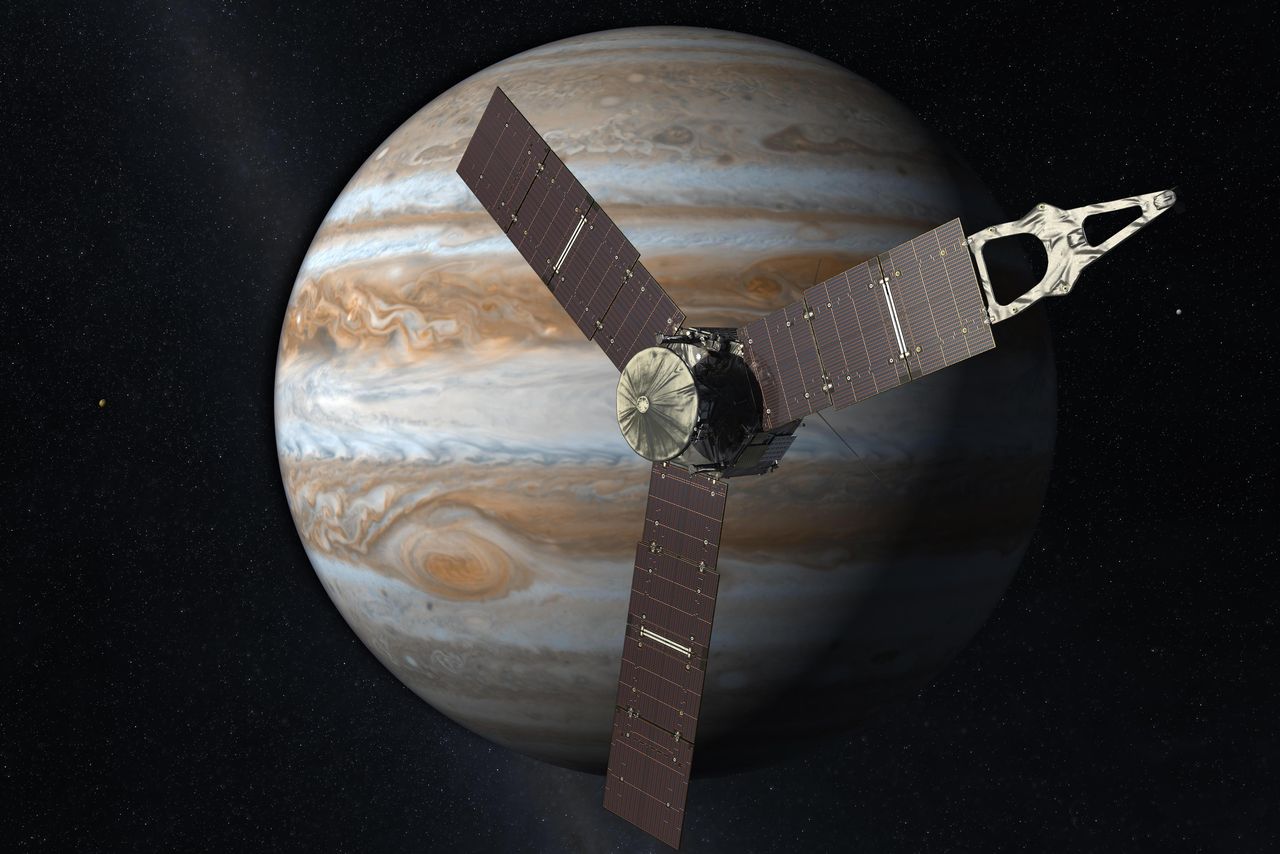
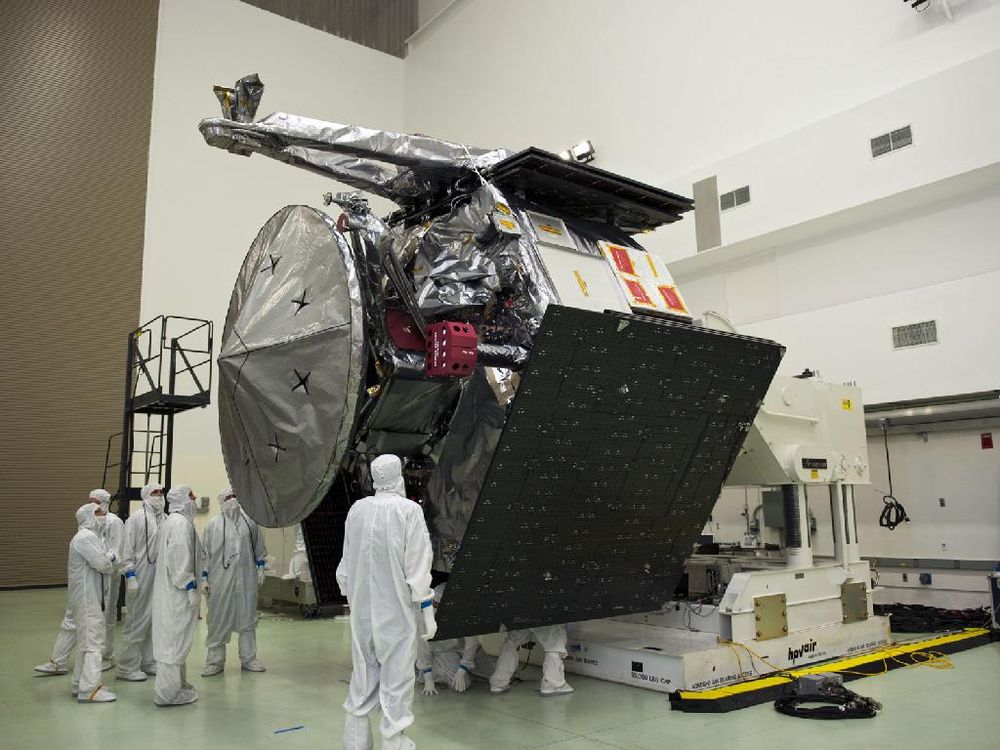
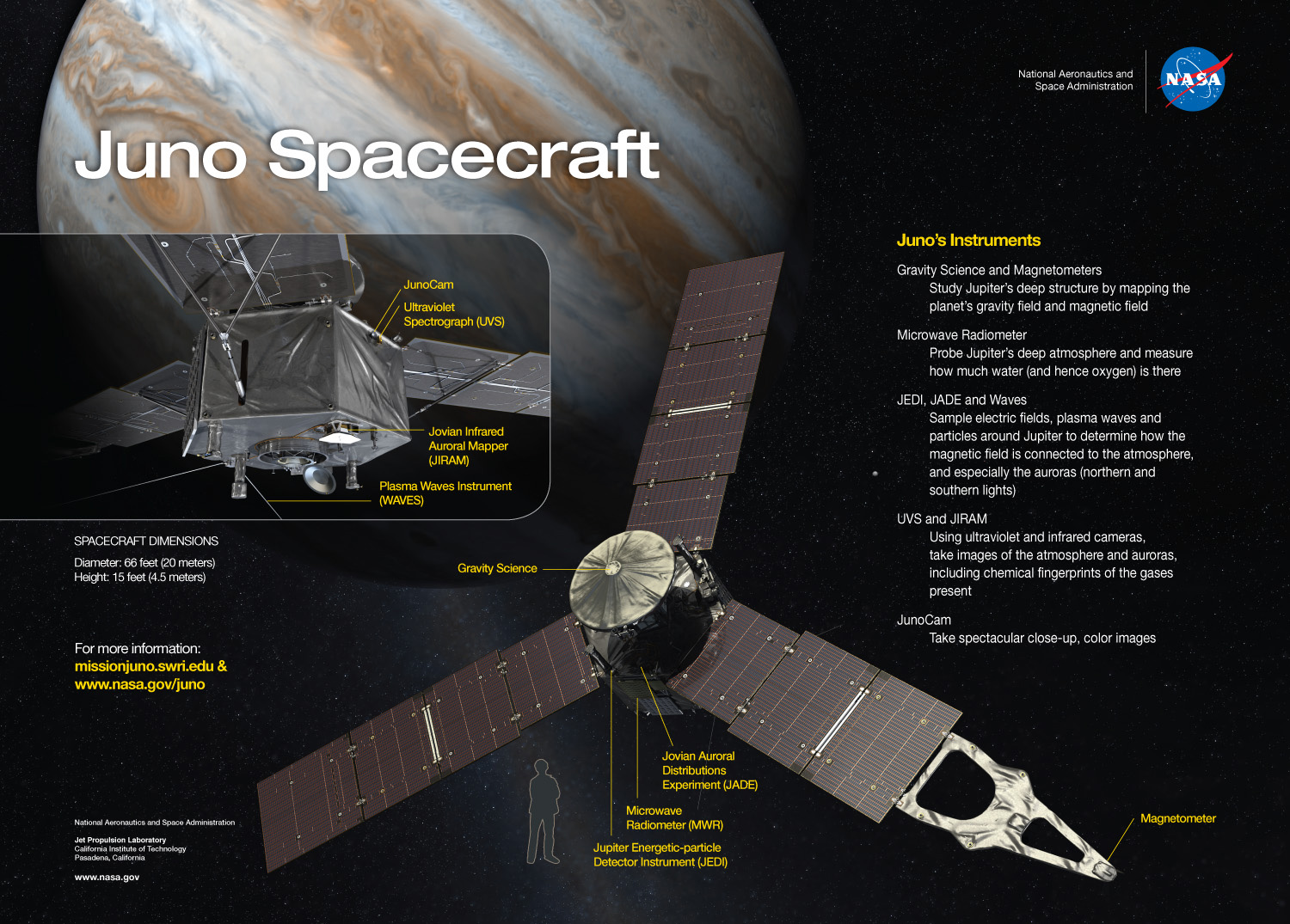
NASA’s Mission Juno will explore Jupiter, seeking to unlock secrets of the giant planet and our solar system.juno-spacecraft

Source: Mission Juno

Here’s the Mission Juno channel, a wonderful and absorbing rabbit-hole of related video clips:
https://www.youtube.com/channel/UCRU0OnntXuUj5UjX3ZLOYLA

567922main_junospacecraft0711

I meant to include this 3D exploration of the Juno spacecraft:

Which carries these 3 titanium LEGO minifigures as passengers:nintchdbpict0002489796381-e1467413949438

Posted in Uncategorized | Leave a comment

Odd find at the VA

I don’t remember the last time I saw one of these! In my punk days I wore them as spurs.

Posted in Uncategorized | 1 Comment

Why do we tap our feet to a musical beat? — ScienceDaily

Investigators have explored the theory behind the relationship between musical sound and body movement. Research shows that people tend to perceive affinities between sound and body motion when experiencing music. The so-called ‘motor theory of perception’ claims these sound and body relationships are deeply rooted in human cognition.

Source: Why do we tap our feet to a musical beat? — ScienceDaily

(It’s so great that Bill Robinson’s dancing was recorded on film. He was in his 60s when the above movie scenes were made)

And, on another, um… note, here’s a kindred album:

Posted in Uncategorized | Tagged , , | Leave a comment

Were Founders of Western Civilization Dope Dealers?

A review of cannabis archaeology links an intensification of cannabis use in East Asia with the rise of transcontinental trade at the dawn of the Bronze Age, some 5000 years ago.

Central Eurasia’s Yamnaya people – thought to be one of the three key tribes that founded European civilisation ­– dispersed eastwards at this time and are thought to have spread cannabis, and possibly its psychoactive use, throughout Eurasia.

The pollen, fruit and fibres of cannabis have been turning up in Eurasian archaeological digs for decades. It is often assumed that cannabis was first used, and possibly domesticated, somewhere in China or Central Asia, the researchers say – but their database points to an alternative.
Some of the most recent studies included in the database suggest that the herb entered the archaeological record of Japan and Eastern Europe at almost exactly the same time, between about 11,500 and 10,200 years ago.

“The cannabis plant seems to have been distributed widely from as early as 10,000 years ago, or even earlier,” says Long. The researchers suggest that different groups of people across the Eurasian landmass independently began using the plant at this time – perhaps for its psychoactive properties or as a source of food or medicine, or even to make textiles from its fibres.

This earlier “Bronze Road” allowed all sorts of commodities to spread between west and east, potentially including cannabis.

“It’s a hypothesis that requires more evidence to test,” says Long, but he points out that the high value of cannabis would have made it an ideal exchangeable good at the time – a “cash crop before cash”.

And independent lines of evidence suggest that commodities and people were on the move in the early Bronze Age. For instance, Long says that wheat, which was cultivated about 10,000 years ago in the Near East, first appeared in China 5000 years ago.

Ancient DNA studies published in the last few years also confirm that one nomadic pastoral population of the steppe – the Yamnaya – began spreading both east and west at this time too.

There are reasons to believe that its mind-bending properties were a factor. Some researchers have suggested that burned cannabis seeds found at archaeological sites hint that the Yamnaya carried the idea of smoking cannabis with them as they spread across Eurasia.

Source: Founders of Western civilisation were prehistoric dope dealers | New Scientist

Posted in Uncategorized | Tagged , , | Leave a comment

Living Color #10

I collect these images of our planet, its inhabitants, and the universe it occupies for my screensaver file and periodically empty it into here and start over. Enjoy.

These images are all under copyright of the originators and not intended for commercial gain.

Posted in Uncategorized | Leave a comment

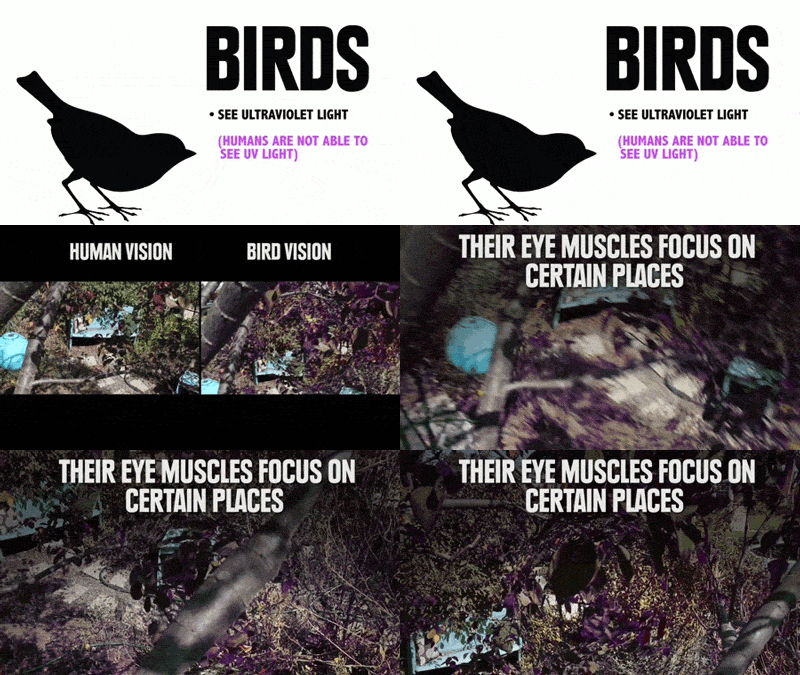
How Animals See the World

As far as I could trace it, this was created by Imgur/Reddit user Mikepants

tumblr_o4pt82778V1qkvbwso1_r1_500.gif

I wish it went a little slower so here it is cut into 3 parts:
gifs_that_will_wanna_make_you_say_yeah_science_btch_11gifs_that_will_wanna_make_you_say_yeah_science_btch_07gifs_that_will_wanna_make_you_say_yeah_science_btch_08

How animals see the world:  Source Source 2 Source 3

Posted in Uncategorized | Tagged , , , | Leave a comment

White Shark Cafe Cam 

Every winter, the population of great white sharks(Carcharodon carcharias) that roams and feeds along the coastline from Central to Baja California disappears deep into the Pacific Ocean—swimming for 30 to 40 days to reach a point approximately halfway between Mexico and Hawaii.

There’s not a lot going for this particular spot in the ocean. It’s about 3000–5000 meters deep, and pretty barren as far as foodstuffs go. But the massive sharks—which can reach lengths of nearly 22 feet—stay there from about April to July, clustered in an area smaller than Panama. When the males arrive, they start diving up to 200 meters, repeatedly, up to 150 times a day.

And what they’re doing is anyone’s guess. Salvador Jorgensen, and Thom Maughan, an engineer with the Monterey Bay Aquarium Research Institute (MBARI), teamed up to develop a camera tag that can record video in low light, chart depths and acceleration, track the shark’s location, and monitor tail beats like a FitBit counts steps—all while submerged under corrosive sea water, sometimes to depths of more than 1000 meters.

Maughan’s rigged up a prototype composed of an off-the-shelf camera used to film offroad car races, commercial animal satellite tags, and innovative workarounds like ultraviolet-B LEDs to keep microbes from gumming up the lens and the machinery. The battery has enough juice to power about 10 hours of video recording, and they’re working on an algorithm that would turn the camera on when the movement sensors detect the sharks start the strange diving behavior that says they’ve arrived at the white shark café (which would allow more effective deployment of the battery life).

The tag itself goes on the dorsal fin, which Maughan calls nature’s tripod. But getting a camera tag on a shark’s dorsal fin isn’t an easy task.

“We put out a silhouette of a seal that’s made out of outdoor carpeting, and we trail that behind the boat,” explains Jorgensen.  “And pretty soon we’ll get some interest from the shark that will come up and investigate the decoy, and we reel that in—it’s a little like fly fishing,” he says—if the fish you’re after is enormous. When the shark is circling the boat, they reach over the side with a 12 foot applicator pole and release the camera tag’s clamp onto the dorsal fin. “It’s really exciting—but it’s hard, your adrenaline is pumping,” Jorgensen says.

The first time Maughan went out with a crew tagging these sharks, he says he was tasked with photographing sharks’ dorsal fins, which can help scientists ID the sharks. “My mind was not prepared for how big around it was,” Maughan says. “When it came out of the water I recoiled a bit—and I took a lot of pictures of the sky,” although he did ultimately get a few photos of the dorsal fin. “Holy cow, that’s a sizeable animal.”

Retrieving the cameras should be simpler—once the sharks return to the California coast in late summer, the tag is designed to fall off and float to the surface where a satellite transmitter powered by solar cells signals its location to the research team so they can retrieve it and the data it contains.

Maughan is testing the camera on swimming robots in the laboratory and in Monterey Bay, and in the fall they plan to do short tests on sharks when they return to the California coast after their annual pilgrimage. Then, in Fall 2017, they hope to roll out around 20 of these tags to start watching what is really going on at this mysterious shark gathering place in the middle of the Pacific.

“We’ve lived with this narrative of white sharks being these mindless vagrants,” Jorgensen says. “But the more you study them, you realize that they have these very particular patterns.”

“And this white shark café is one of the most intriguing and mysterious—what are they doing out there?”

Jorgensen’s work will be featured in a documentary called Blue Serengeti, airing during the Discovery Channel’s Shark Week.

(via Rachel Becker on Slate)

Posted in Uncategorized | Leave a comment