Another Gem on Haight Street

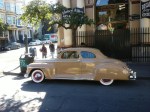
Parked in front of what was originally the German American Savings Bank. Until 1915 when, in the wave of anti-German sentiment became part of the Bank of California. That xenophobia also tuned ‘morgen brot’ (morning bread) and sauerkraut into French toast and liberty cabbage.

Sure glad my homeland has outgrown that sort of silliness. /s

Posted in Uncategorized | 1 Comment

The Ibex Code: Deciphering Iran’s Ancient Rock Art  کد بز کوهی: رمزگشایی باستان راک هنر ایران

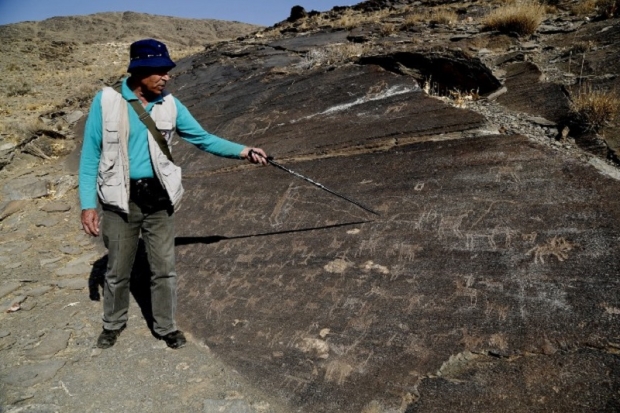
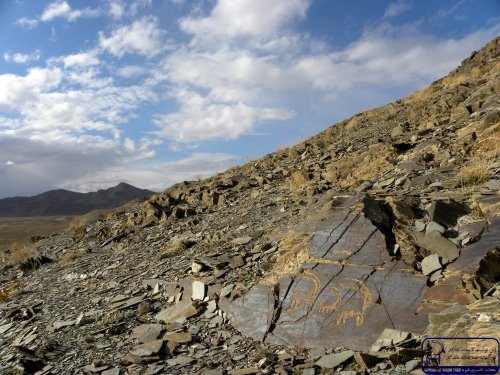
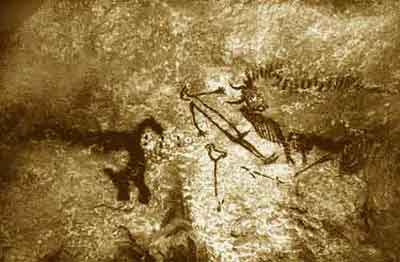
KHOMEIN, IRAN.- An Iranian archaeologist has spent years in an almost single-handed quest across the country’s hills and desert plains to uncover ancient rock art that could be among the oldest in the world.

(.خواندن این پست به زبان فارسی اینجا)

unknown

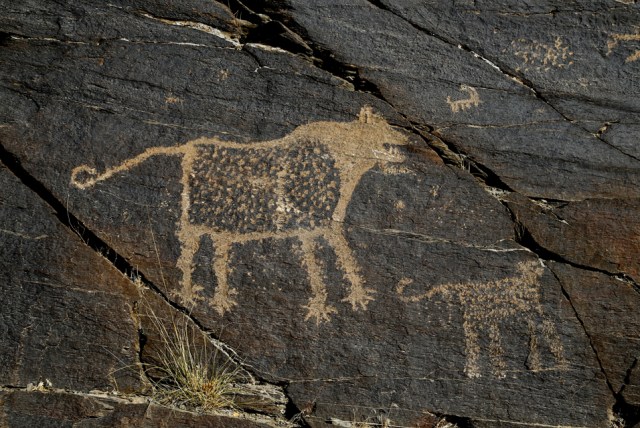
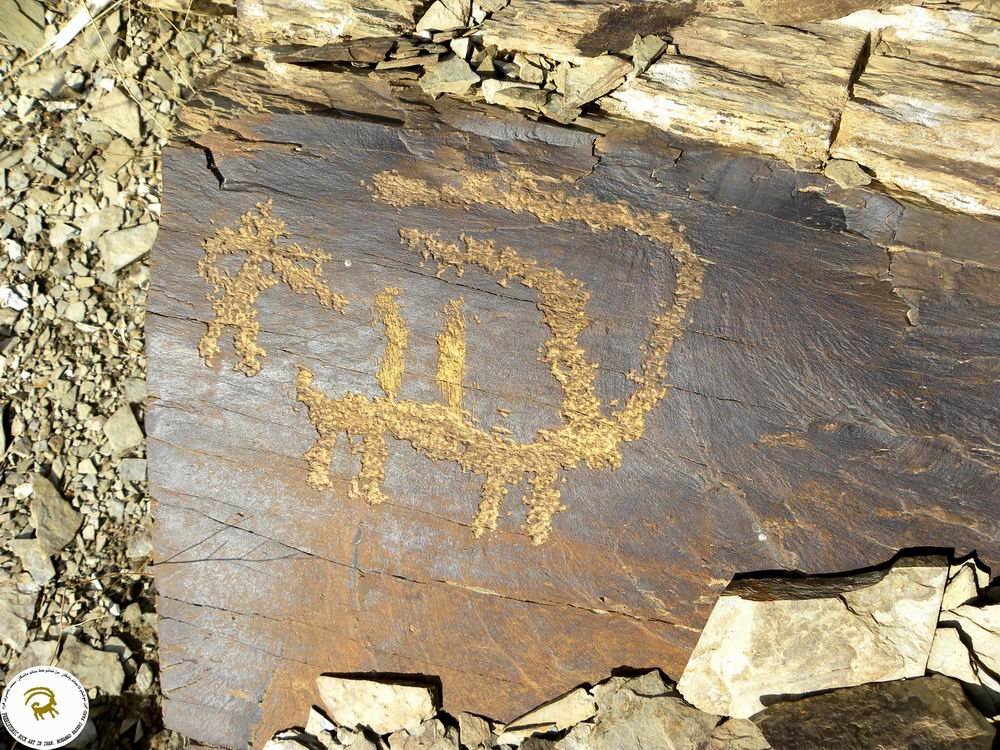
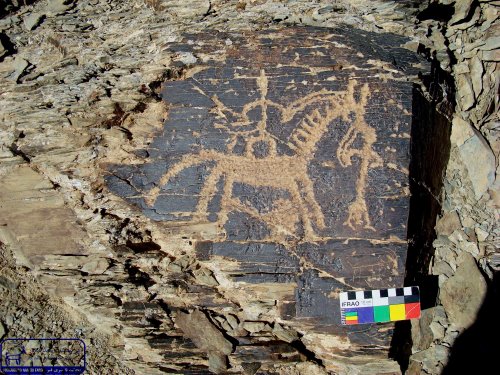
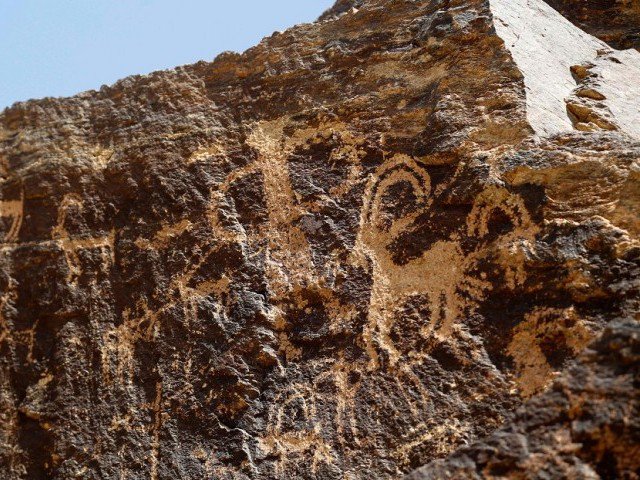
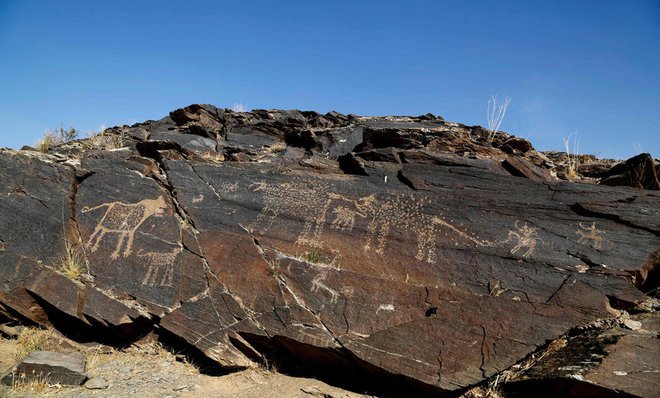
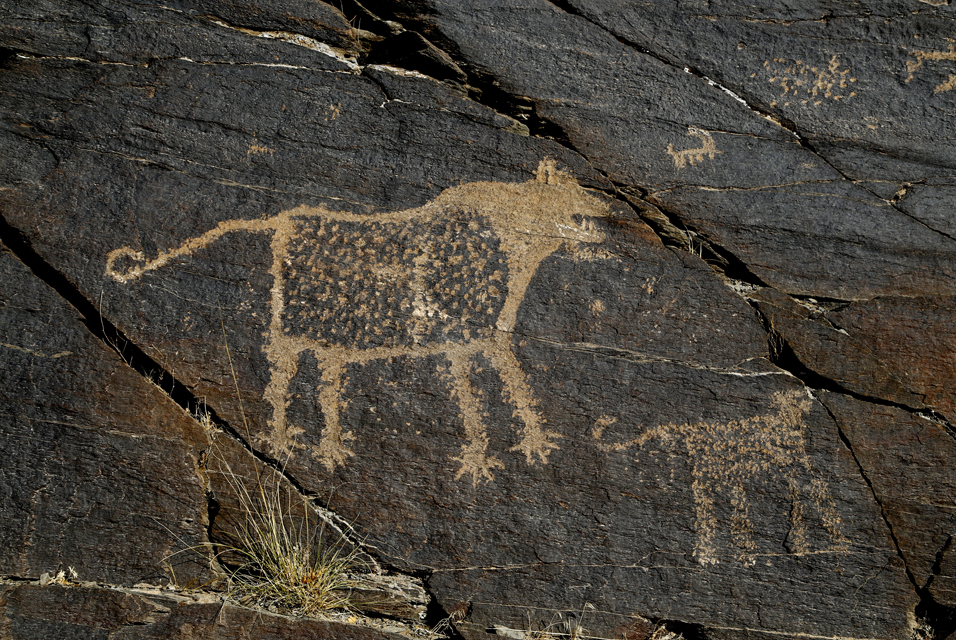
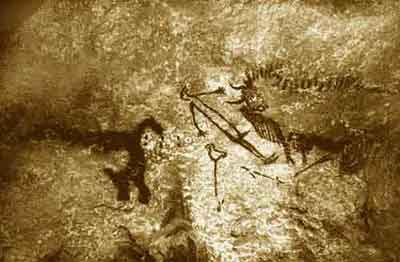
Dr Mohammed Naserifard scrambles up a hillside, and waits eagerly at the top, his walking stick pointing out the long curled horns of a 4,000-year-old ibex deer scratched into a flat stone.

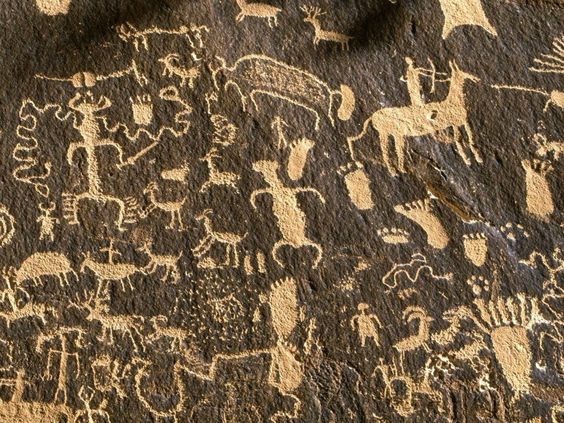
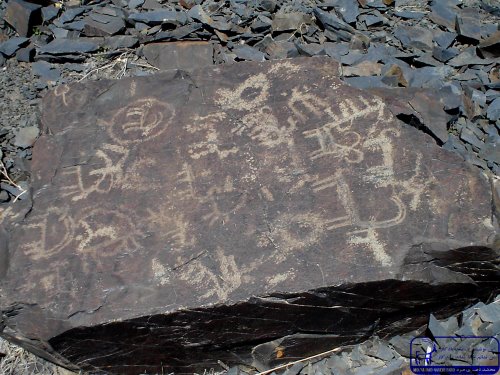
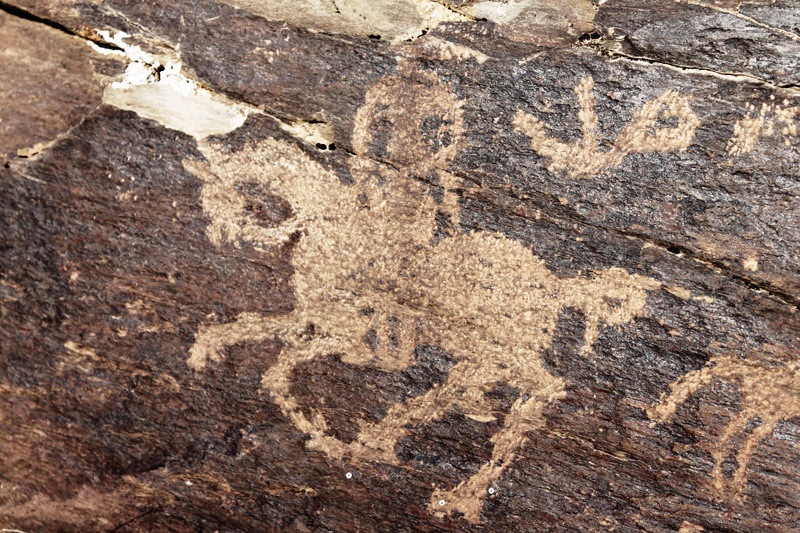
iranian_engravings_khomein_111216_620_413_100Despite their potential world-historical importance, they have been seen by just a handful of people. All are thousands of years old, but some of the markings — such as a line of cup-marks that may have been used in religious ceremonies — could be much older.

9b612ff287bb9ede9edeb9a0e77f5b5a 29644546-1 29288861 29241056 29212068 1260142-ibex-1481436203-448-640x480
15bDutch enthusiasts who visited the area with Naserifard in 2008 dated the cup marks to more than 40,000 years ago, putting them among the oldest rock art on the planet.

But getting definitive data has been all but impossible for Iranian archaeologists. Sanctions have deprived them of the technology. But with the situation improving now, hopefully they can soon bring this technology to Iran and gain more accurate and scientific information on these engravings. The sanctions imposed by world powers prior to last year’s nuclear deal meant Iranian scientists were cut off from their global colleagues, deprived of modern lab equipment and the latest research, and faced severe funding shortages.

iran_rock_art iran-2Added to that was the fact that rock art has never been a priority in Iran, where pre-Islamic history can be a controversial subject. It has been left instead to Naserifard’s personal determination.

Finding a treasure

Having read about the subject in a German magazine, he hunted everywhere for examples. Then one day in 2002, in the hills outside Khomein, he got lucky. “We were on a picnic and all my friends were taking an afternoon nap. I went wandering and observing the rocks in the valley and I found a rock full of shapes,” he recalled. “I was so excited! Finding these works was like finding a treasure.”

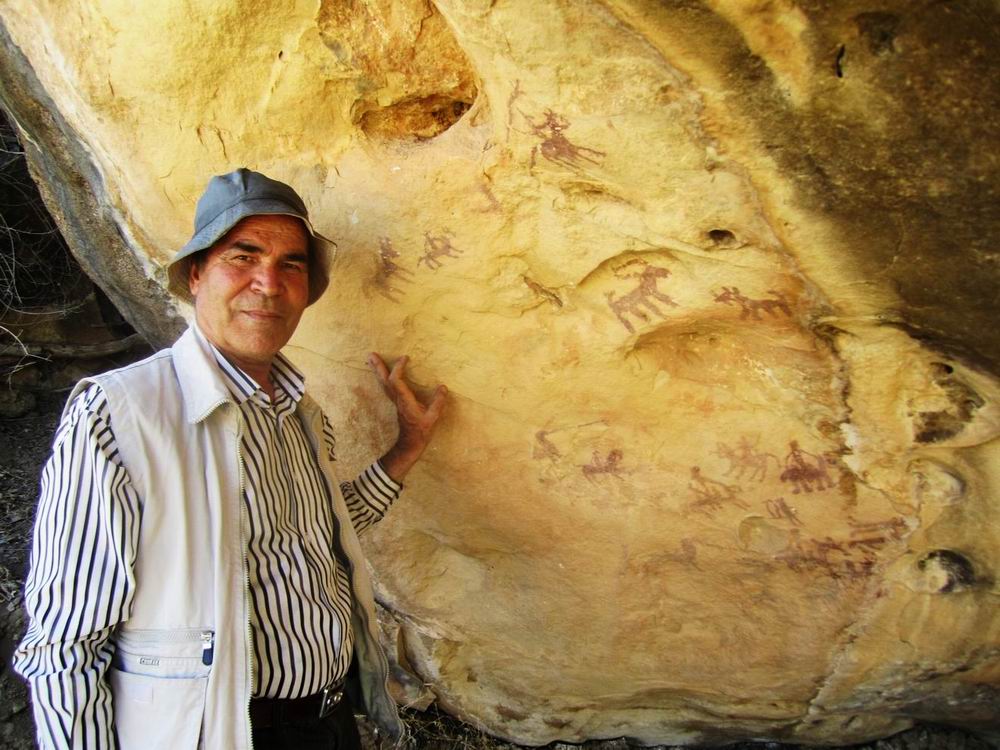
He estimates he has since travelled more than 700,000 kilometres (450,000 miles) across two dozen Iranian provinces, unearthing some 50,000 ancient paintings and engravings.iranrockart-j33 93300675 naseri-fard 0020

Naserifard now teaches at a local university, and his discoveries have been catalogued by the Bradshaw Foundation, a Swiss NGO specialising in rock art. Eerie similarities

“His work is really important — there have been these blank spots on the map that we are finally starting to fill in,” said Genevieve von Petzinger, a Canadian cave art expert and author of “The First Signs: Unlocking the Mysteries of the World’s Oldest Symbols”.

The engravings could even date back to when humans made their first forays out of Africa, she said.

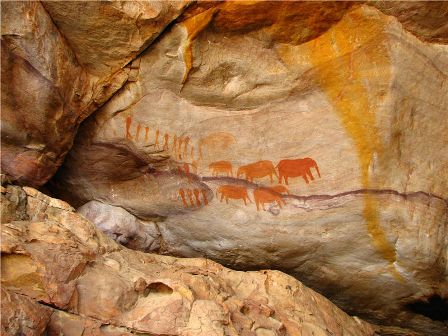
 Naserifard’s discoveries support the growing evidence that humans may have started to develop a common art tradition before leaving Africa, which might explain why the same themes and shapes have turned up in sites as far-flung as California, Spain and South Africa.

Source Agence France-Presse: The ibex code: deciphering Iran’s ancient rock art

In case you’re curious, the non-English writing in the headline is the same thing in Farsi and the writing under the first paragraph is says, “To read this post in Farsi go here.

Posted in Archaeology, Art, Science | Tagged , , , , | Leave a comment

Pumpkin (or Sweet Potato) Molasses Bread

20161211_192703_resized

Fresh pumpkin molasses bread (I wish I could share the fragrance)

I find that many of the recipes I find online have far too much sugar for my taste and the sweetness overwhelms the flavor of everything else. It has taken me a few tries to adapt this until I was satisfied.

I have made it with pumpkin, summer squash, and sweet potatoes and each has worked. Tonight I made it with two 12 ounce (340 gram) cartons of pumpkin purée. (I’ve done it with raw pumpkins but it’s not worth all the extra work)

My recipe:
MIX TOGETHER WELL:

  • 1 cup  molasses (1 cup=approx. 236ml)
  • 1 cup dark brown sugar
  • 1 cup vegetable or peanut oil

        ADD: 

  • 6 extra large (or 4 jumbo) eggs

       MIX FOR 2-3 MINUTES MORE

SIFT TOGETHER:

  • 4 cups flour (whole wheat or white)
  • 1 Tablespoon cinnamon (1 Tb =15ml)
  • 1 Tb nutmeg

ADD TO LIQUID ALTERNATING WITH ⅔ CUP (160ml) OF WATER MIX UNTIL SMOOTH.

ADD:

  • 3 cups of pumpkin or squash purée

POUR INTO GREASED 9″x13″ BAKING DISH

BAKE AT 350ºF (177ºC) FOR 1 HOUR, ALLOW TO COOL

20161211_192958_resized

Serving suggestion:

  • Goes great with vanilla or pumpkin ice cream or creme fraiche.

(Alas, I’m watching my weight so I’ll skip any of those)

Okay, here’s my Official Serving Suggestion:

pmchm

Warmed up and served with chèvre cheese and drizzled with molasses.

If I were serving this in a restaurant or to guests I’d slice it about 1.25cm (½”) thick and toast it (2 slices per order), add whipped chèvre with a pastry bag and then drizzled with thickened molasses.

And here’s a collection of delicious images to salivate over:


Posted in Food Stuffs, Uncategorized | Tagged , | Leave a comment

5 New Tactics In Civil Disobedience, Taught By Standing Rock | Cracked.com

Once again Cracked.com takes on a serious subject and hits it out of the park.

To combat the steadily increasing militarization of local and state police forces new tactics and strategies are desperately needed. Standing Rock’s Water Protectors show how it can happen and be successful.

If you’ve only been half-following the story of Standing Rock, you might not know much beyond some snarky Twitter memes about the cops going “a little overboard” (for instance, they nearly blew a woman’s arm off with a concussion grenade). The allegations of police brutality have been serious enough that the United Nations has opened an investigation.

But the most important story from Standing Rock isn’t the police brutality, the evidence that protester’s phones were hacked, or even that this is the largest gathering of Indigenous Americans in modern history.

The most important story from Standing Rock is that it worked like motherfucking RuPaul.

Here’s the headers, you really should read the explanations.

5) “Build A Small City” Is A Solid Strategy for Civil Disobedience

4) Nonviolence Is A Must, But So Is Aggression

3) Be In It For The Long Haul

2) Protesters Will Face Increasingly Advanced Weaponry

1) They’ve Found A Way To Weaponize Hippies

A horizontal wind generator that produces power with 5mph wind.

It’s a pretty encouraging read.

Source: 5 New Tactics In Civil Disobedience, Taught By Standing Rock

I just came across these pictures of the Water Protectors celebrating:

Posted in Uncategorized | Leave a comment

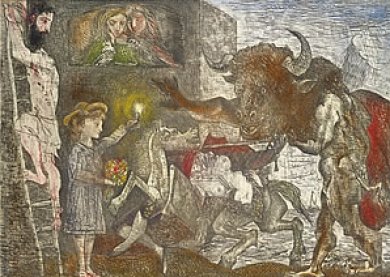
El Toro y La Rana, Picasso and Rivera 

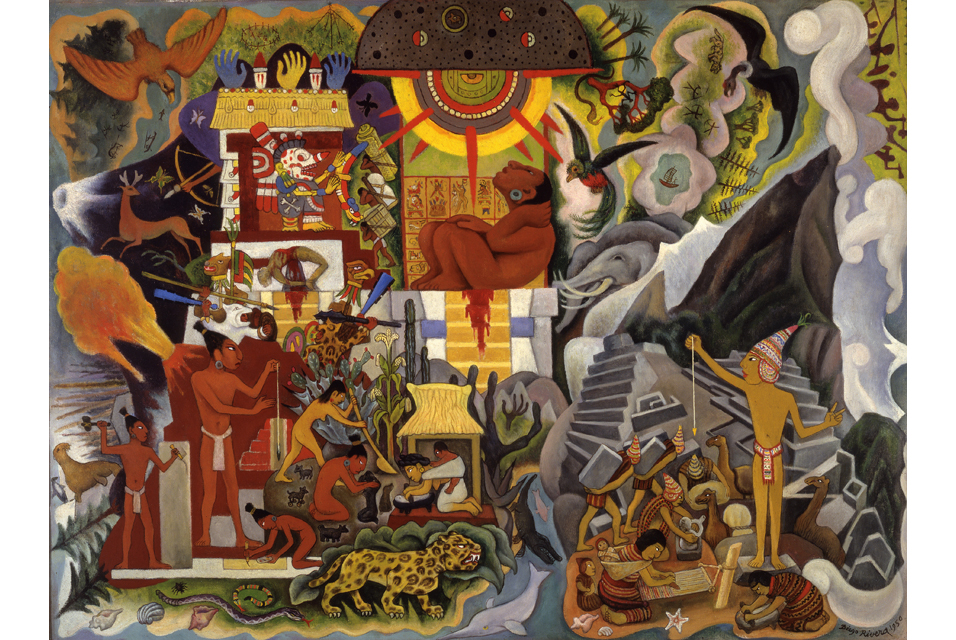
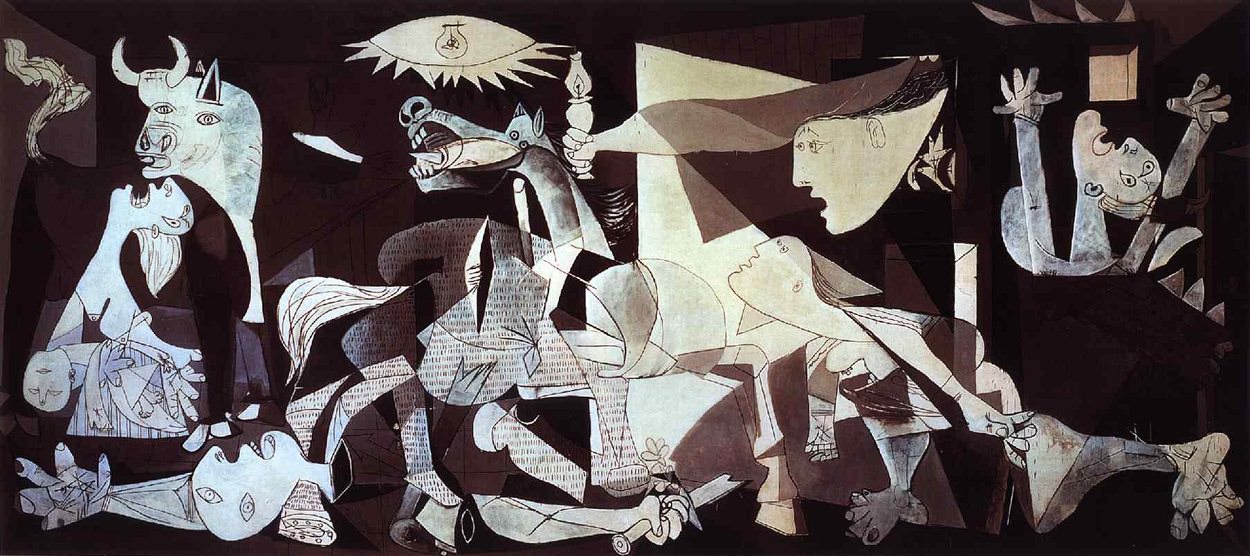
Picasso and Rivera: Conversations Across Time at Los Angeles County Museum of Art
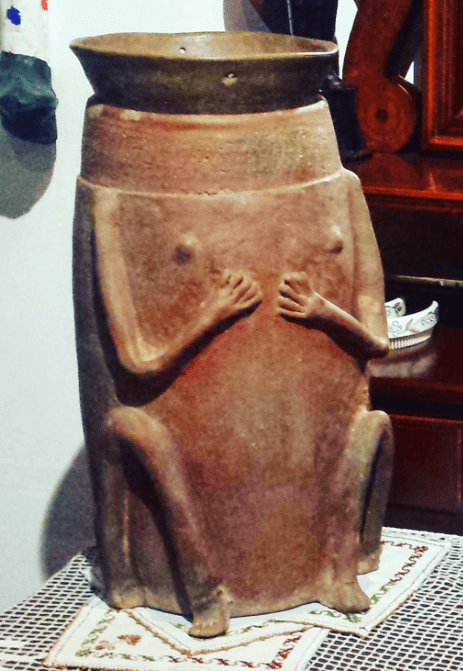
 

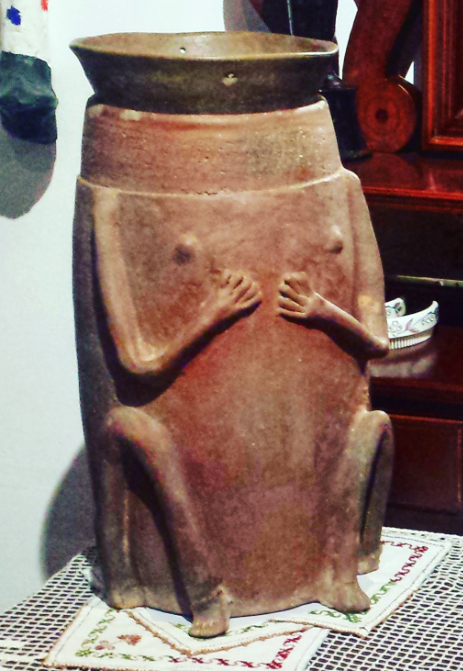
Diego Rivera's ashes in a Pre-Columbian urn in Frida Kahlo's bedroom

Diego Rivera’s ashes in a Pre-Columbian frog vessel in Frida Kahlo’s bedroom

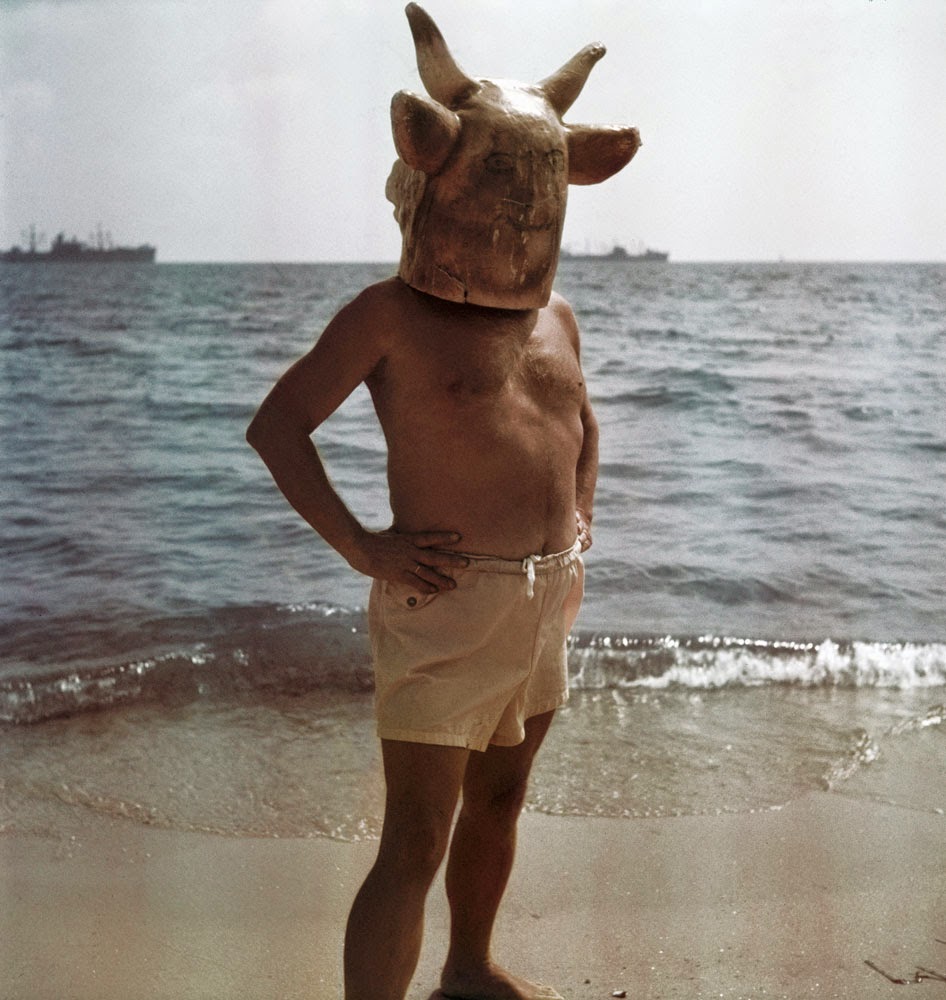
Pablo Picasso in a Minotaur mask

Pablo Picasso in a Minotaur mask

LOS ANGELES, CA.- The Los Angeles County Museum of Art, with Museo del Palacio de Bellas Artes in Mexico City, presents Picasso and Rivera: Conversations Across Time (December 4, 2016–May 7, 2017), an exhibition that examines moments of intersection in the formation of modernism both in Europe and Latin America, and asks how Pablo Picasso and Diego Rivera—towering figures of the 20th century—both exchanged ideas in Paris about avant-garde paintings and later engaged with their respective ancient Mediterranean and Pre-Columbian worlds. Cocurated and conceived by Diana Magaloni, deputy director and director of the Program for the Art of the Ancient Americas at LACMA, and Michael Govan, LACMA CEO and Wallis Annenberg Director, and developed with guest curators, Juan Coronel Rivera, James Oles, and Jennifer Stager, the exhibition compares the artists’ trajectories beginning with their similar academic training to their shared investment in Cubism and their return to an engagement with antiquity from the 1920s through the 1950s.pd2 pd

More than 100 paintings and prints by both artists are in dialogue with one other and with dozens of ancient Greco-Roman, Iberian, and Aztec objects, Picasso and Rivera aims to advance the understanding of the artists’ practices, particularly in how their contributions were influenced by the forms, myths, and structures of the arts of antiquity. Picasso and Rivera’s radical approach to understanding ancient art was in many ways subversive: by doing that they also rewrote art history—greatly enlarging the recognition of artistic contributions of ancient civilizations. Ancient art became essential for their sense of the future, both personally and politically.

“By placing masterworks by Picasso and Rivera alongside Greco-Roman, Etruscan, and Iberian works as well as Mesoamerican sculptures and ceramic figurines, the exhibition weaves together distant geographies and worlds to blur the frontiers of time and space,” said Diana Magaloni. “Picasso and Rivera views both artists as inventors of a new visual reality in the first decades of the 20th century. Diego Rivera brought the Pre-Columbian world to the forefront by showing that the art produced by these cultures was for the Americas what traditional Greek and Roman art was for Europe.”
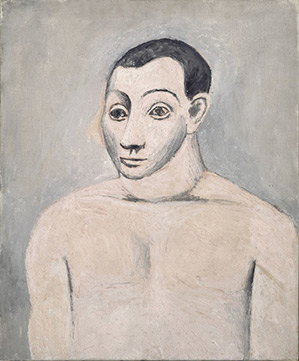
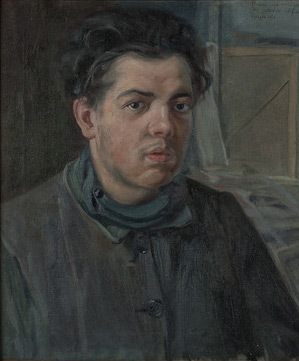
ex8229_18-wb ex8229_18-wb2“LACMA thinks about art history along a continuum,” said Michael Govan. “Rather than perpetuating historical or cultural hierarchies, we seek to create dialogue, particularly given our location in a city that stands at an international crossroads with both Latin America and the Pacific Rim. This exhibition is a product of an Americas viewpoint, where our ancient indigenous heritage proposes a novel worldview that can interface with classical Western traditions, bringing both a diversity of viewpoints and a profound convergence of human and artistic values.”

Picasso and Rivera will travel to Mexico City, where it will be on view from May 31 to September 10, 2017 at the Museo del Palacio de Bellas Artes.

This exhibition is presented in five thematic sections, highlighting the moments of interaction and divergence between the two artists.

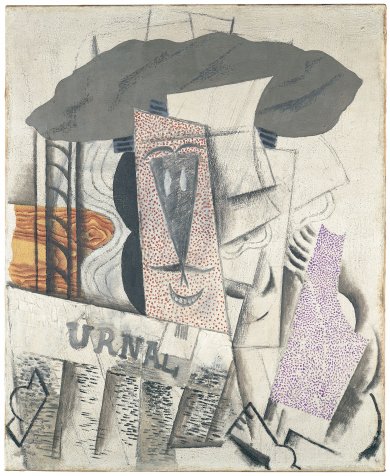
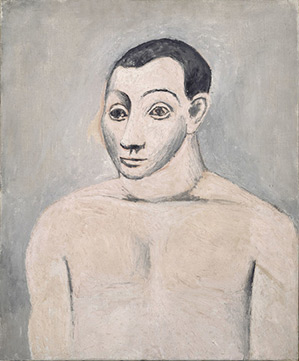
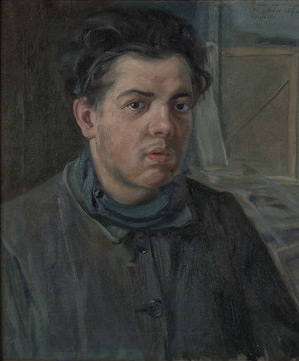
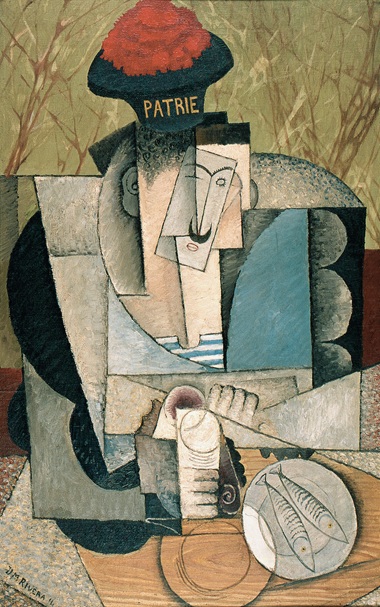
The Academy looks at Picasso and Rivera’s training in their respective national academies—Picasso in Spain and Rivera in Mexico—which they both entered as child prodigies. They studied within the rigorous curriculum of neoclassicism, where copying of the antique and a ruthless adhesion to the principles it had come to represent were the chief means to a successful career.  diego-rivera-sailor-at-lunch-marinero-almorzando-1914 pablo_picasso_1912_le_poete_the_poet_oil_on_canvas_59-9_x_47-8_cm_kunstmuseum_basel
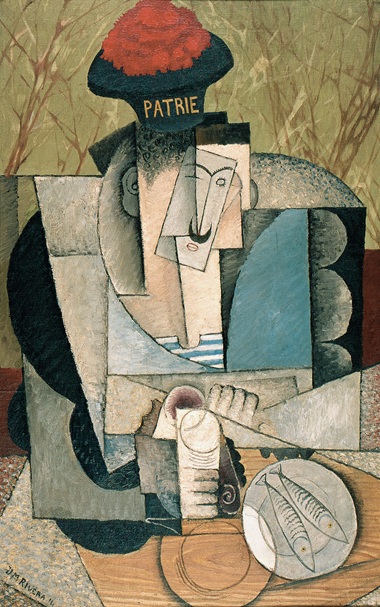
Cubsim and Paris (1908–16) examines the period between 1908 and 1916 when both artists moved to Paris and became active participants of the avant-garde movement. The two met in early 1914 when Picasso invited Rivera to his studio before camaraderie yielded to rivalry in 1915. Both artists prolifically created Cubist works, including Picasso’s The Poet (Le poète) (1912) and Rivera’s Sailor at Lunch (Marinero almorzando) (1914). This period of experimentation became critical for both artists, foreshadowing a unique approach to composition and to ancient art in their future practices. This section also provides a rare opportunity to view Picasso’s Cubism through Rivera’s eyes.

Picasso and Rivera both traveled to Italy (in 1917 and 1920, respectively) and, following the war, embraced a revalorization of the classical tradition. Return to Order and Indigenismo addresses the post-WWI desire for order and stability that permeated the Parisian avant-garde. Picasso and Rivera’s monumental paintings of the 1920s capture their reinterpretations of antiquity, be it Greco-Roman for Picasso, or ancient Mesoamerican for Rivera.
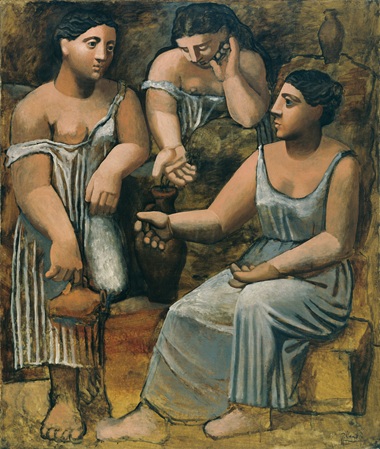
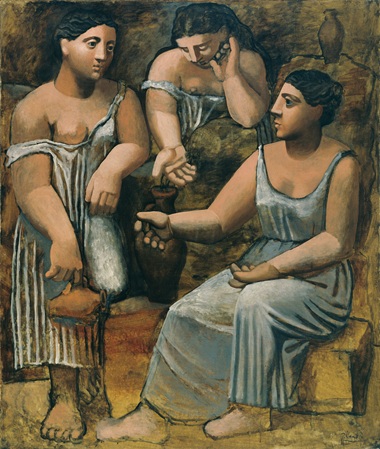
pablo-picasso-three-women-at-the-spring-fontainebleau-summer-1921Picasso’s first monumental neoclassical painting, Three Women at the Spring (1921)—an exceptional loan from the Museum of Modern Art, New York (MoMA)—recasts the classical group of three women, usually appearing as Graces and Fates, into sculptural forms and on a monumental scale.
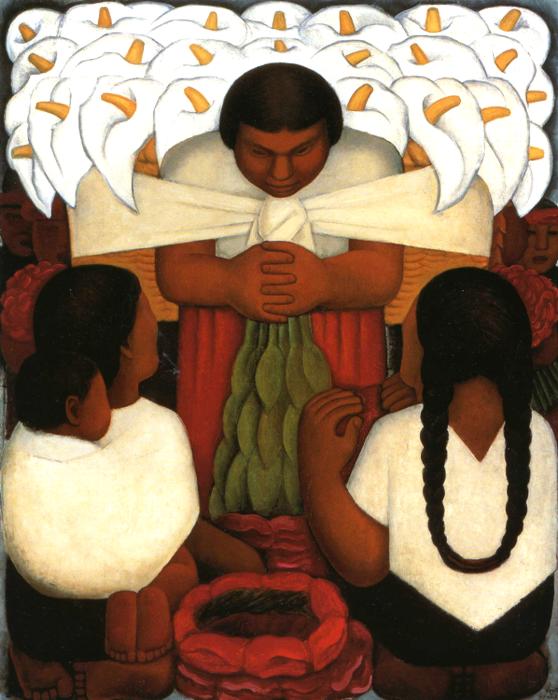
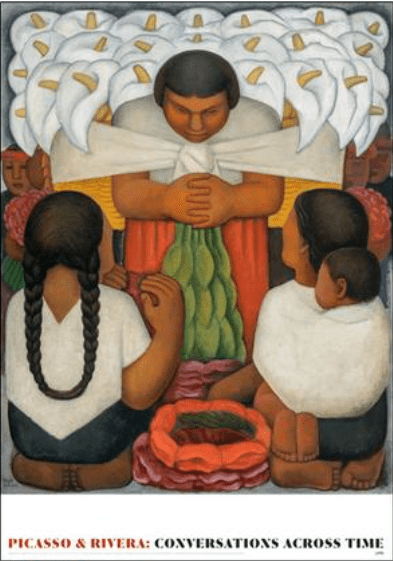
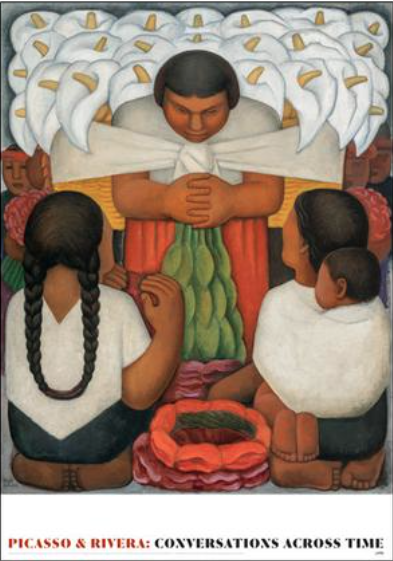
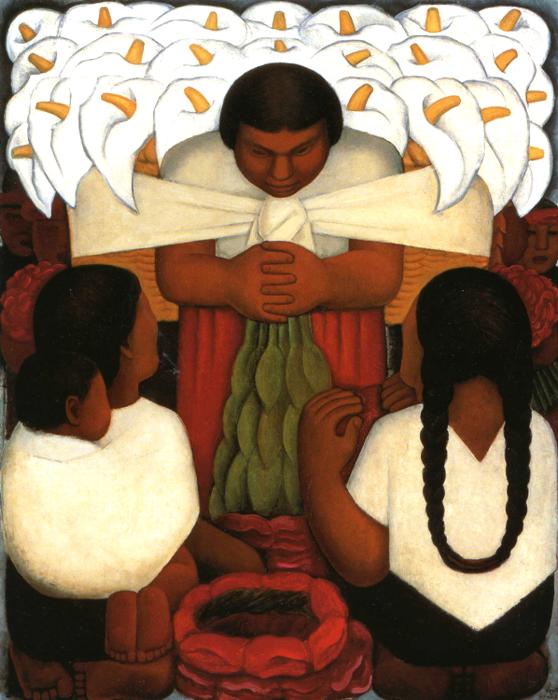
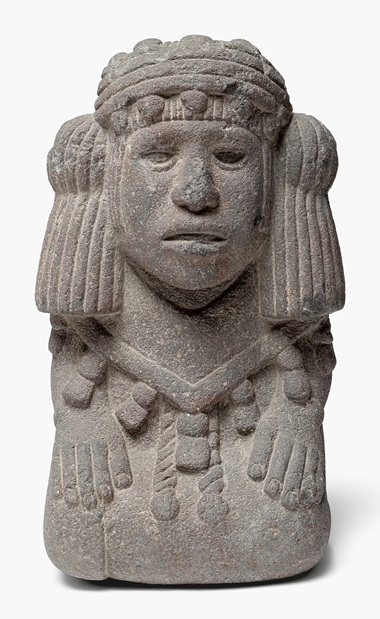
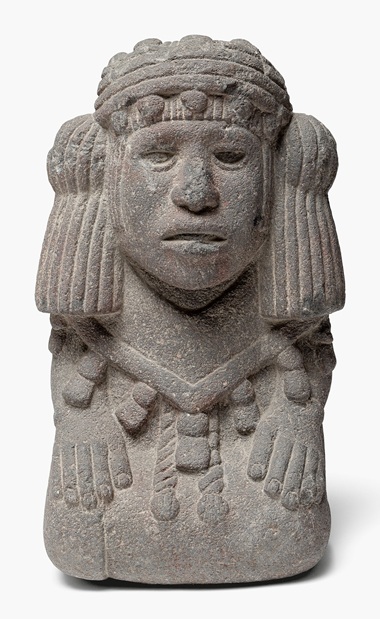
6597384226982439160Meanwhile, in Flower Day (Día de Flores) (1925), Rivera transforms figures of Mexico’s indigenous peoples into icons inspired by Chalchiuhtlicue, the Aztec water goddess. This gallery also includes portions of Rivera’s personal holdings of ancient Pre-Columbian ceramic and stone sculptures, a collection that has never previously traveled outside of Mexico. This will be the first time that Flower Day will be shown alongside the ancient Chalchiuhtlicue sculptures that Rivera often used for his compositions. water-deity-chalchiuihtlcue-mexico-aztec-1200-1521
The subsequent two galleries focus on the artists individually rather than in direct dialogue. Rivera and Pre-Columbian Art demonstrates how Rivera vigorously engaged with European modernism only to abandon abstraction for didactic figuration— enriched by references to Mexico’s ancient civilizations—and focusing his attention on public murals that emphasized the national and ideological above the personal. By the 1930s Rivera had already formed his own style where the ancient Mesoamerican sculptures were transformed into everyday living people, creating in this manner a representation of the idealized mestizo race in Mexico. In The Flowered Canoe (La Canoa en Florada) (1931), Rivera creates two worlds: the mestizos, influenced by Western culture, enjoy a day at Lake Xochimilco, while an oarsman, clearly an indigenous man, represents the force of tradition.
state_7color_100

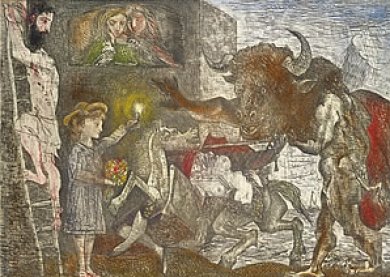
The gallery dedicated to Picasso and Mythology explores how the artist shaped the foundations of 20th century art through formal experimentation with the art of the past, creating images that were at once deeply personal and universal. In Studio with Plaster Head (Atelier avec tête et bras de plâtre) (1925), for example, Picasso summarizes his views on the dialectic relationship between ancient Greek and Roman tradition with Western painting and the beginning of modernism. Modernism was often conceived as a total break with the past; however, Picasso perceived it as part of a continuum. By showing classical figuration in the artist’s studio, Picasso implies that it is the responsibility of the artist to create something new out of tradition. In this way, he presents an artistic lineage that goes from ancient Greece to Cubism.
pdb-2

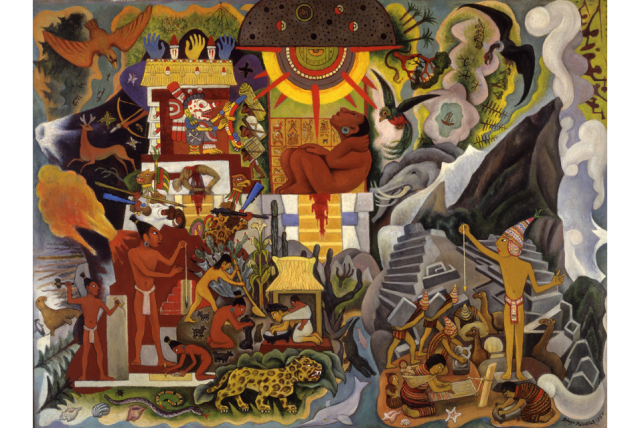
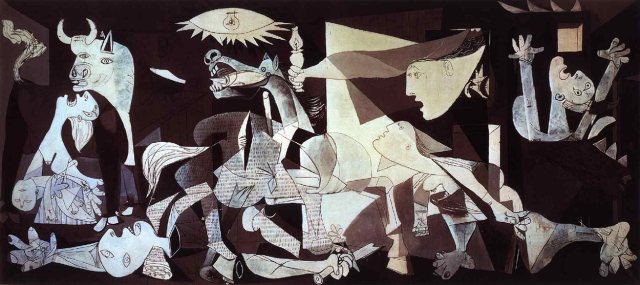
Situated between the final two galleries, the film Ideologías y Muralismo, commissioned by LACMA and directed by Rodrigo García, explores Rivera’s mural Pan American Unity (San Francisco City College, 1940) and Picasso’s Guernica (1937), as well as the artists’ shared engagement with monumentality and political activism.pda
Posted in Uncategorized | Leave a comment

Faces of the Oakland Fire| The Guardian

WARNING: These pictures and the connected article are pretty hard to look at.

 
Just a small group of some of the victims of the Ghost Ship fire with pictures and short bios. Lovely and bright, all with great promise, and struck down so young.
The world is less bright with their passing.
Please go to the Guardian to read their biographies:
Posted in Uncategorized | 2 Comments

Discovering the Higgs Bison (sic)

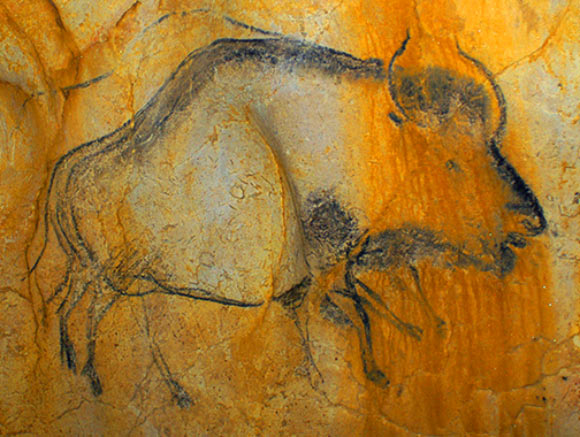
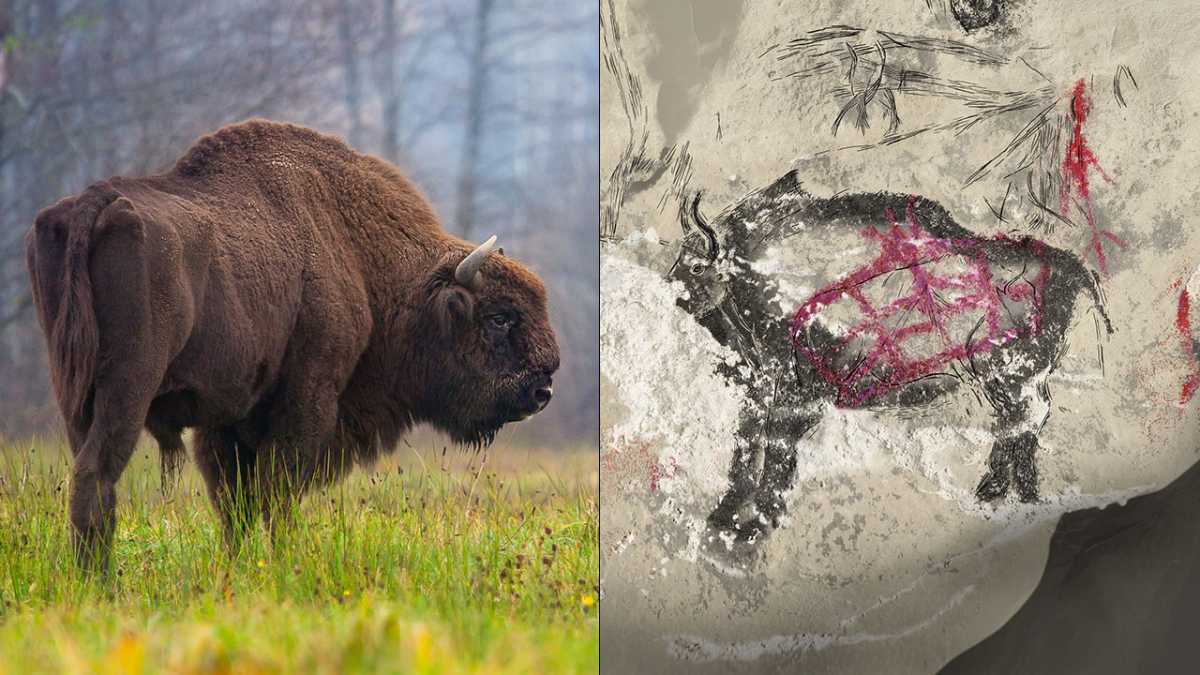
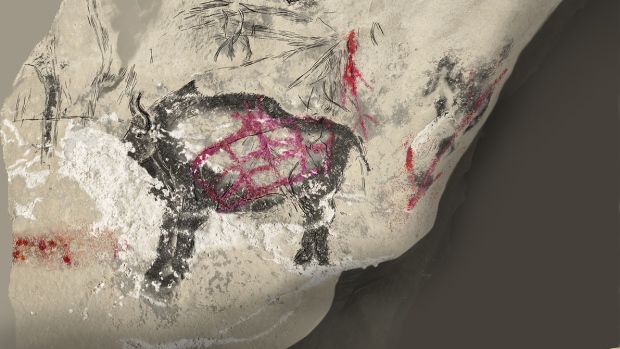
image_4285_1-higgs-bisonAncient DNA research has revealed that Ice Age cave artists recorded a previously unknown hybrid species of bison and cattle in great detail on cave walls more than 15,000 years ago.

image_4285_3e-higgs-bison

The mystery species, known affectionately by the researchers as the Higgs Bison because of its elusive nature, originated over 120,000 years ago through the hybridisation of the extinct Aurochs (the ancestor of modern cattle) and the Ice Age Steppe Bison, which ranged across the cold grasslands from Europe to Mexico.ancient-dna-holds-clues-to-higgs-bison-cave-painting-mystery_0 bison-art higgs-bison-is-the-missing-link-in-european-bison-ancestral-tree-498392890-1476822636

Research led by the Australian Centre for Ancient DNA (ACAD) at the University of Adelaide, published today in Nature Communications, has revealed that the mystery hybrid species eventually became the ancestor of the modern European bison, or wisent, which survives in protected reserves such as the Białowieża forest between Poland and Belarus.

“Finding that a hybridisation event led to a completely new species was a real surprise — as this isn’t really meant to happen in mammals,” says study leader Professor Alan Cooper, ACAD Director. “The genetic signals from the ancient bison bones were very odd, but we weren’t quite sure a species really existed — so we referred to it as the Higgs Bison.”

The international team of researchers also included the University of California, Santa Cruz (UCSC), Polish bison conservation researchers, and palaeontologists across Europe and Russia. They studied ancient DNA extracted from radiocarbon-dated bones and teeth found in caves across Europe, the Urals, and the Caucasus to trace the genetic history of the populations.

They found a distinctive genetic signal from many fossil bison bones, which was quite different from the European bison or any other known species.

Radiocarbon dating showed that the mystery species dominated the European record for thousands of years at several points, but alternated over time with the Steppe bison, which had previously been considered the only bison species present in Late Ice Age Europe.

news-banner-r-bison-species

“The dated bones revealed that our new species and the Steppe Bison swapped dominance in Europe several times, in concert with major environmental changes caused by climate change,” says lead author Dr Julien Soubrier, from the University of Adelaide. “When we asked, French cave researchers told us that there were indeed two distinct forms of bison art in Ice Age caves, and it turns out their ages match those of the different species. We’d never have guessed the cave artists had helpfully painted pictures of both species for us.”

The cave paintings depict bison with either long horns and large forequarters (more like the American bison, which is descended from the Steppe bison) or with shorter horns and small humps, more similar to modern European bison.

“Once formed, the new hybrid species seems to have successfully carved out a niche on the landscape, and kept to itself genetically,” says Professor Cooper. “It dominated during colder tundra-like periods, without warm summers, and was the largest European species to survive the megafaunal extinctions. However, the modern European bison looks genetically quite different as it went through a genetic bottleneck of only 12 individuals in the 1920s, when it almost became extinct. That’s why the ancient form looked so much like a new species.”

Professor Beth Shapiro, UCSC, first detected the mystery bison as part of her PhD research with Professor Cooper at the University of Oxford in 2001. “Fifteen years later it’s great to finally get to the full story out. It’s certainly been a long road, with a surprising number of twists,” Professor Shapiro says.

Posted in Uncategorized | Leave a comment

Your Media Whore Host

I was interviewed at the corner of Haight & Ashbury a few days before the travesty of pseudo-democracy that was our last election. They were looking to interview Millennials about current events but they liked my fuck Trump hat:

cropped-copy


Posted in movies, Politics, San Francisco | Tagged , , , | 2 Comments

Dam! That’s High!!

That’s atop the 200m high Kölnbrein Dam in Austria, on a metal railing that’s about 10cm wide on a cold windy day.

p4pb14203647.jpgWhat could possibly have gone wrong?

I could not manage to watch that video straight through in one sitting. Even though Fabio Wibmer obviously survived the ride or he wouldn’t have been around to post it on his YouTube channel.

He admits to using a “safety” rope (i.e., someone walking next to him holding a single line) but it took 7 tries before he made it all the way to the overlook!

His handrail ride ends at this overlook that looks like it is itself a pretty thrilling experience.

Best comment on YouTube:Screen Shot 2016-12-03 at 11.50.51 PM.png

Posted in Video | Tagged , | Leave a comment

Austria’s race against time to save anti-Nazi film

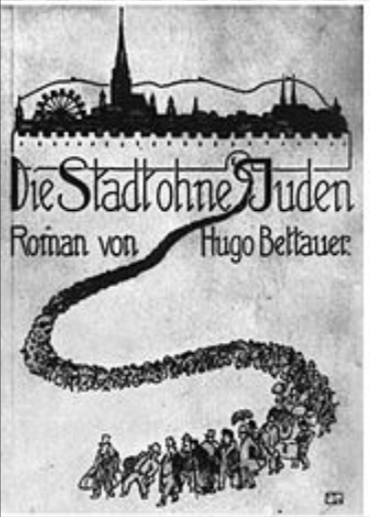
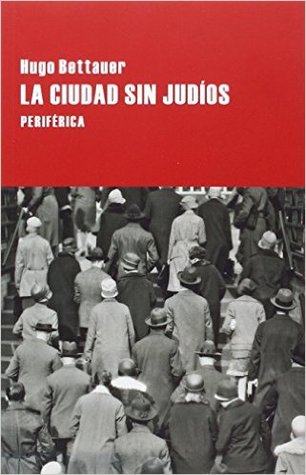
VIENNA (AFP).- One of Austria’s most important anti-Nazi films was thought lost for decades, until it was uncovered by chance last year. Now experts must race to keep from losing Die Stadt Ohne Juden/The City Without Jews again — this time from decay. Shot and screened in Vienna in 1924, the silent film proved disturbingly prophetic in its dark depiction of anti-Semitism clutching the Austrian capital in the wake of World War I.

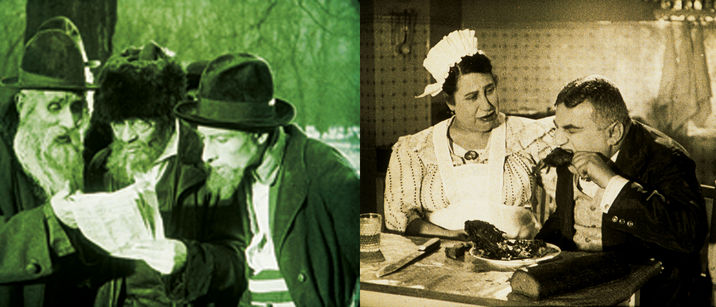
stadt_ohne_judenBased on the eponymous bestseller by Austrian writer Hugo Bettauer, it tells the story of an anti-Semitic mayor who, reacting to rising social discontent, opts to expel all Jews. The decision leads the city to the brink of ruin as its economy declines and unemployment explodes. 668x501-fit-642x501In the end, the law is repealed and the banished Jews are welcomed back. The black-and-white movie broke ground as the world’s first cinematographic work to foreshadow the horrors of the Third Reich, according to the Film Archive Austria (FAA). It would also cost Bettauer his life: the liberal author and journalist was killed by a Nazi a few months after the movie’s premiere:outline2_142735668574987051myxekxzl-_sx323_bo1204203200_

Kupfertiefdruck nach Foto Weitzmann-Wien.

Kupfertiefdruck nach Foto Weitzmann-Wien.

“‘The City Without Jews’ is much more than a film: it is an anti-Nazi manifesto”, said Nikolaus Wostry of the FAA.400

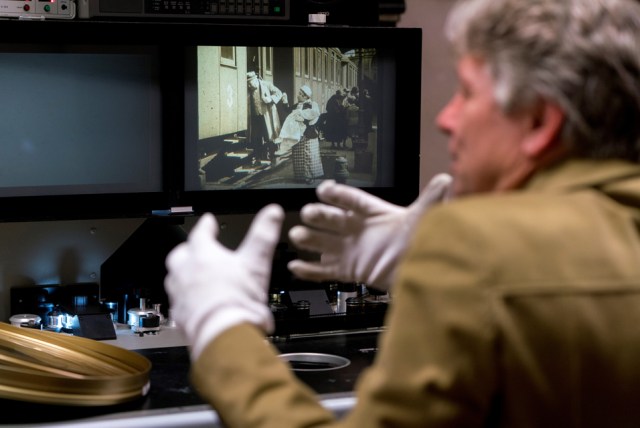
The Vienna-based archive only possessed a fragmented version of the original until a French art collector stumbled across a near-complete reel at a flea market in Paris in 2015. Hitherto unknown scenes provided a much sharper articulation of the rising anti-Semitism in Vienna, which had been a prominent centre of Jewish culture at the start of the 20th century.

“This version is the missing link. We have many wonderful new takes giving an insight into the Jewish community in Vienna, but there are also scenes showing the pogroms,” Wostry said. screen-shot-2016-12-02-at-2-20-15-amThe copy also contained the final scene, revealing a slightly altered ending — albeit still a happy one — to that in the book. Capital ‘of anti-Semitism’ However, the FAA fears that the new reel could soon once again be lost as it shows serious signs of deterioration. The institute has launched a crowd-funding appeal until December 10 to raise money for the restoration of the highly flammable nitrate film. “We have to save it and make it available to the public, not just for its historic value but also for its current message against the walls we are building and the exclusion of people,” said Wostry. The archive has so far raised €60,253 of the required €75,500.

[I just donated €25 and will receive a digital copy of the film]

“It would be fitting to show this film in Vienna, which was the capital of political anti-Semitism,” Wostry said. At the time of the movie’s release, a dangerous wind of change was already blowing across the Austrian city. Home to great minds like Sigmund Freud, Stefan Zweig and Gustav Mahler, Vienna in 1897 voted in the openly anti-Semitic mayor Karl Lueger who would stay in power for 13 years.

In 1907, Adolf Hitler, aged 18, moved to the capital. His six years spent here would prove a highly formative time and steer his political views. Hitler greatly admired Lueger and later referred to him in Mein Kampf. Observers say the anti-Semitic backlash was fuelled by a steady influx of eastern European Jews drawn to “sparkling Vienna”. “At the turn of the century, anti-Semitism is a cultural code directed against the elites, the financial circles, the press,” historian Jacques le Rider told AFP. The situation turned critical after World War I as Jewish refugees fleeing violence on the Russian front stream into the capital. “Hyper-inflation and unemployment explode in Austria, already humiliated by the loss of the Austro-Hungarian empire. Xenophobia reaches a new dimension,” le Rider said.

Bettauer, a Jew converted to Protestantism, astutely captured these changes in his novel published in 1922. “He perfectly describes the climate of anti-Semitic terror which gripped Austria at the time,” says Werner Hanak-Lettner of the Jewish Museum in Vienna. The release of the film two years later sparked huge protests and would eventually force several of its Jewish actors to emigrate. Less successful than the book, the movie vanished after a screening in Amsterdam in the 1930s.
28488204Six decades later, a copy was found in the Netherlands Filmmuseum. Austrian experts say the emergence of the new version shows that the Dutch copy from 1991 had been edited for foreign audiences. “This seems to have been a ‘light version’ of the original, destined for export and cleared of the shock factor,” Wostry said.

Source: Austria’s race against time to save anti-Nazi film

Posted in Uncategorized | Leave a comment