Stylin’: Do You Wear a Costume or a Uniform

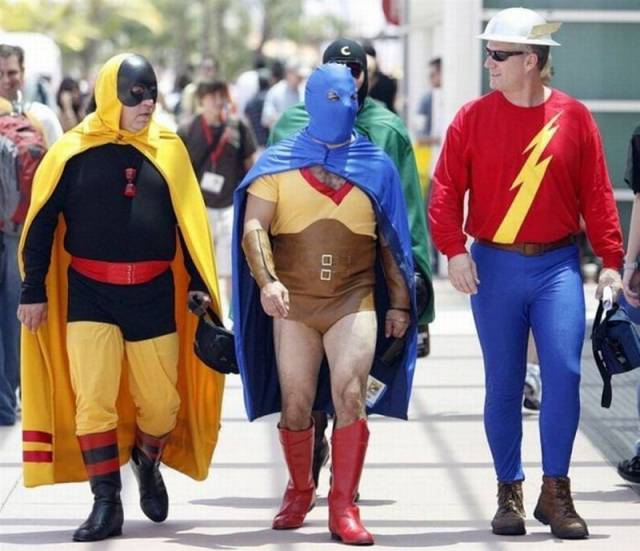
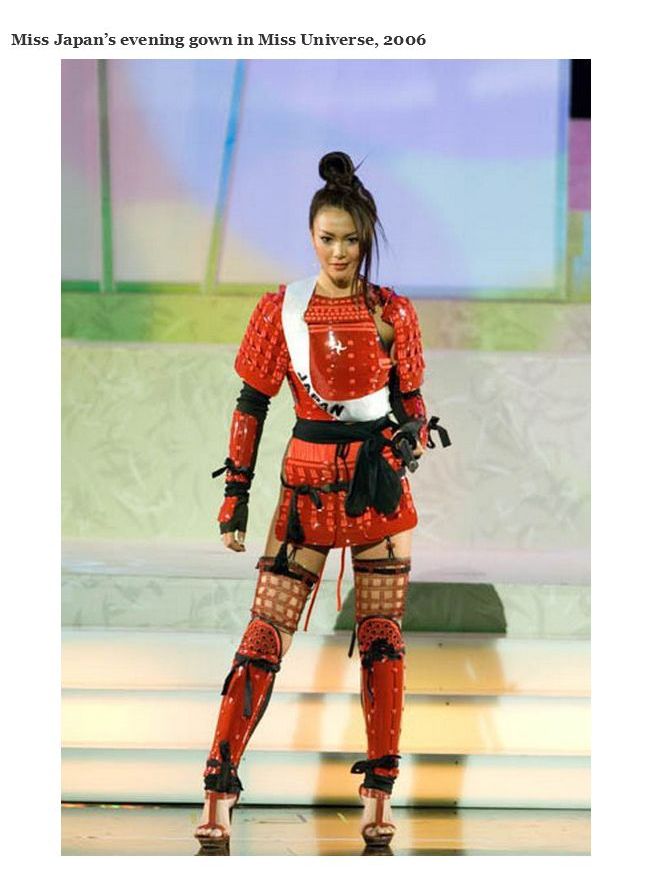
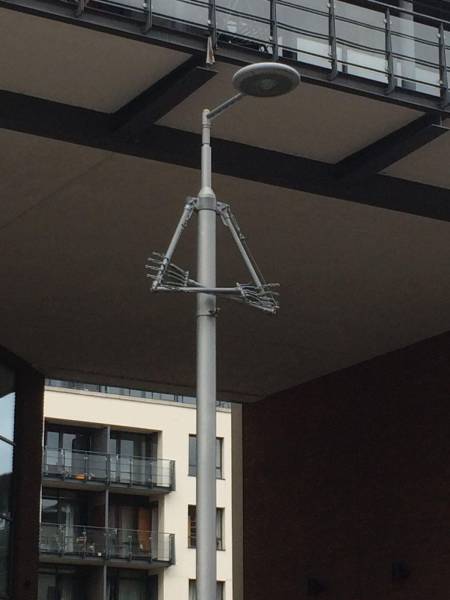
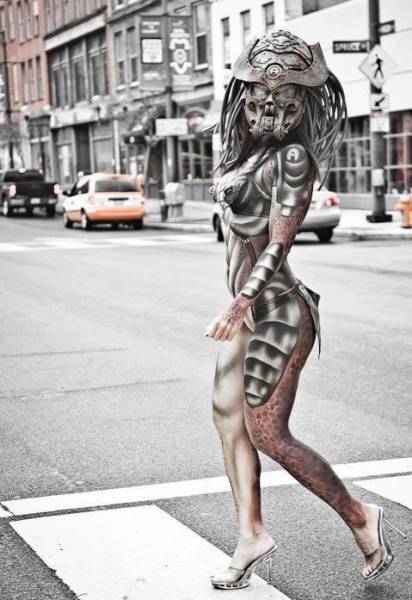
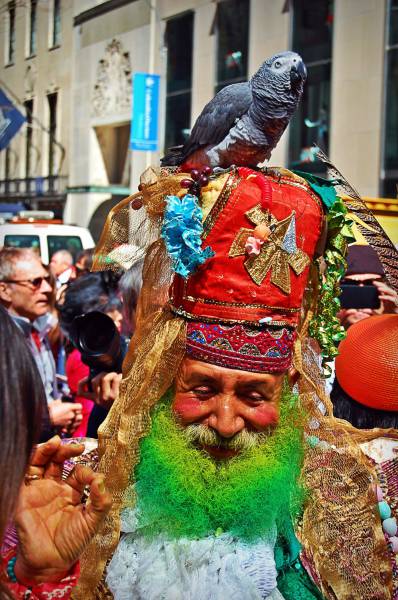
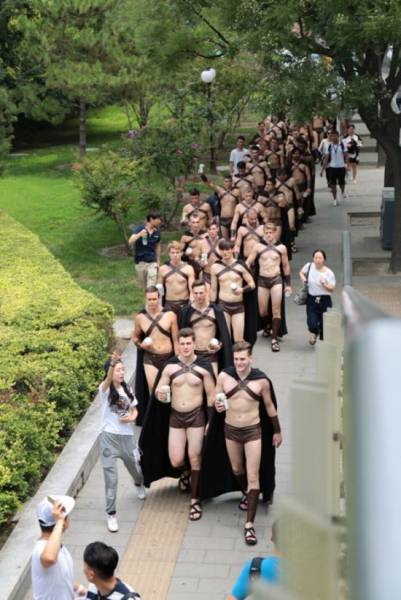
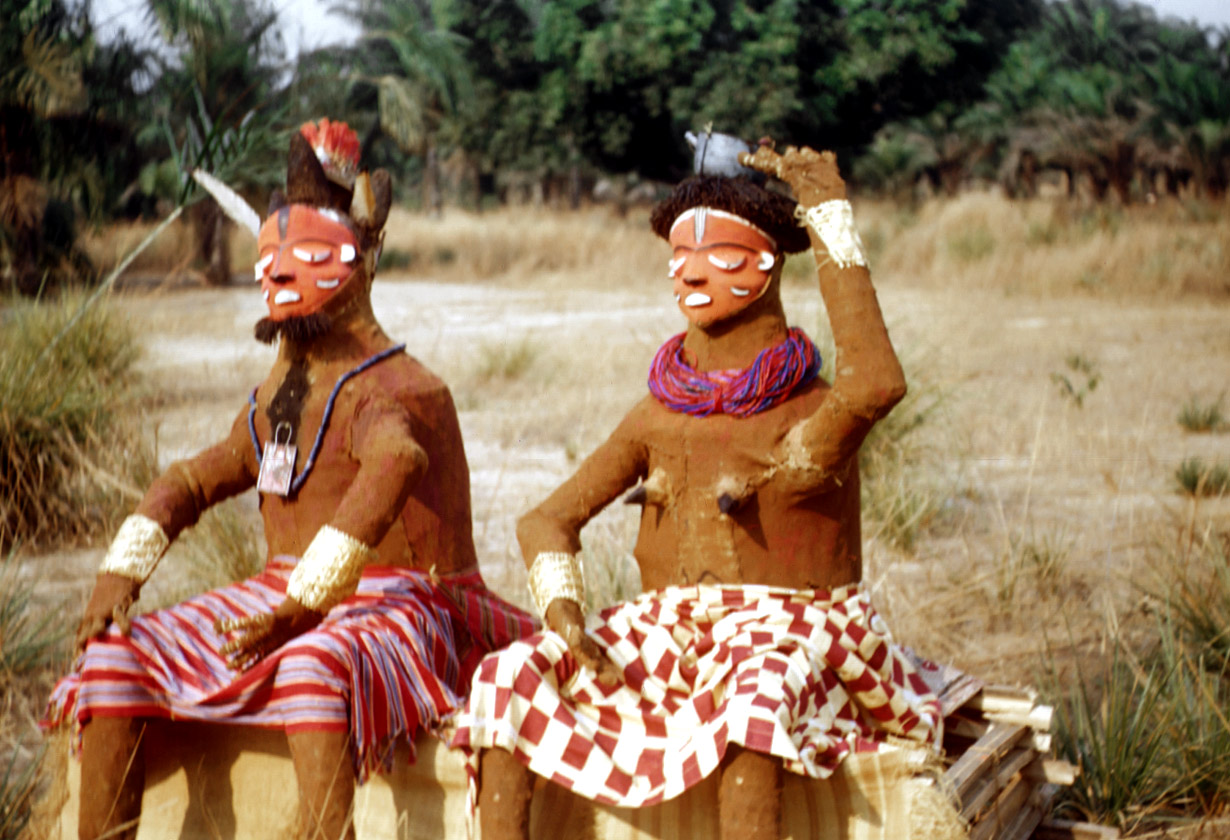
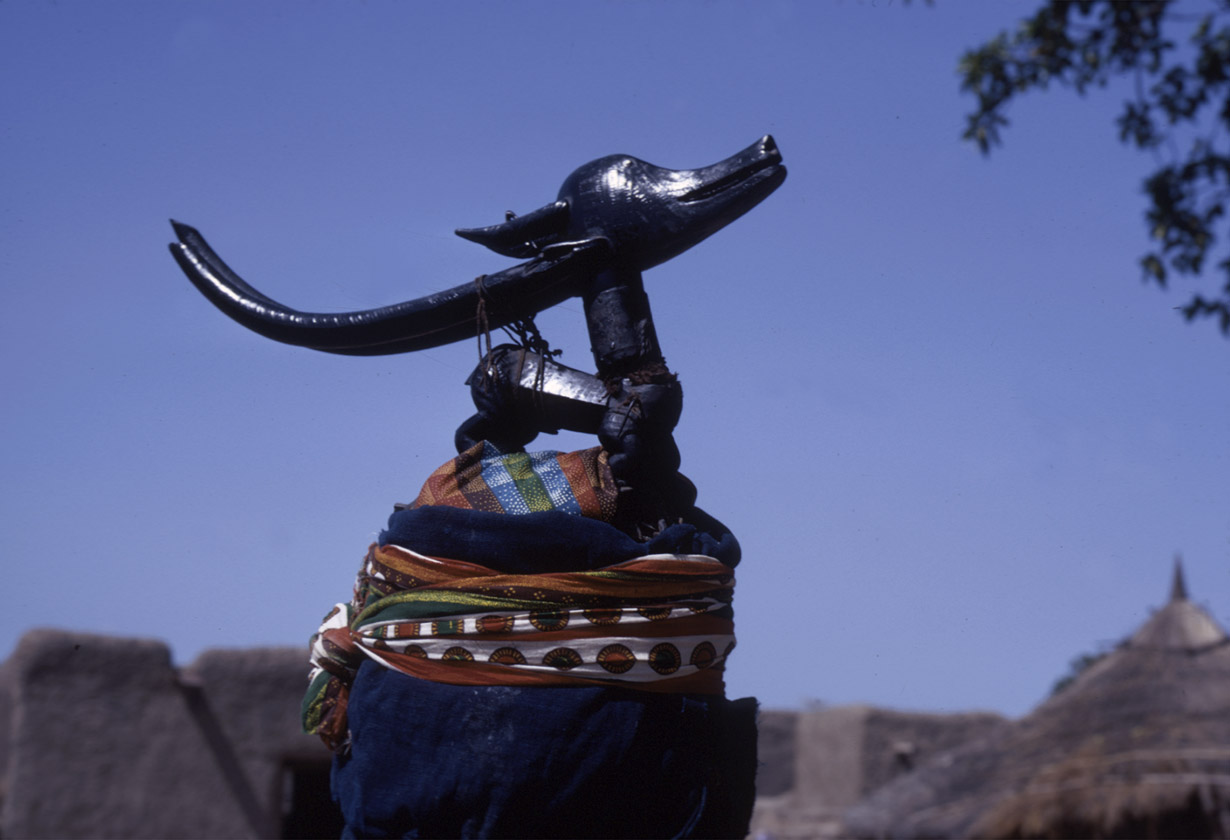
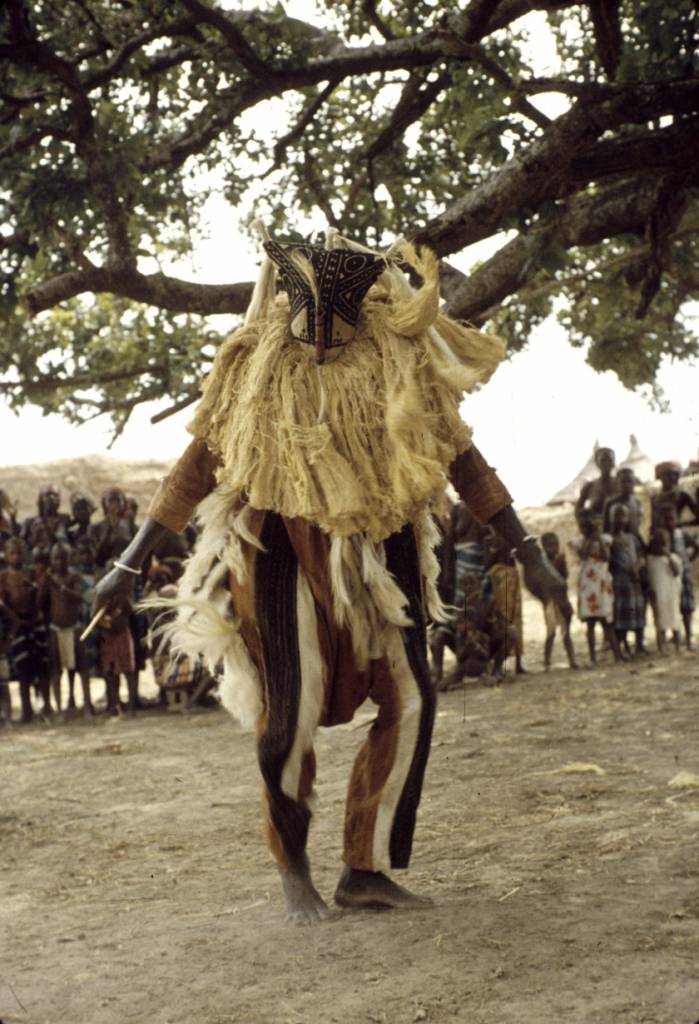
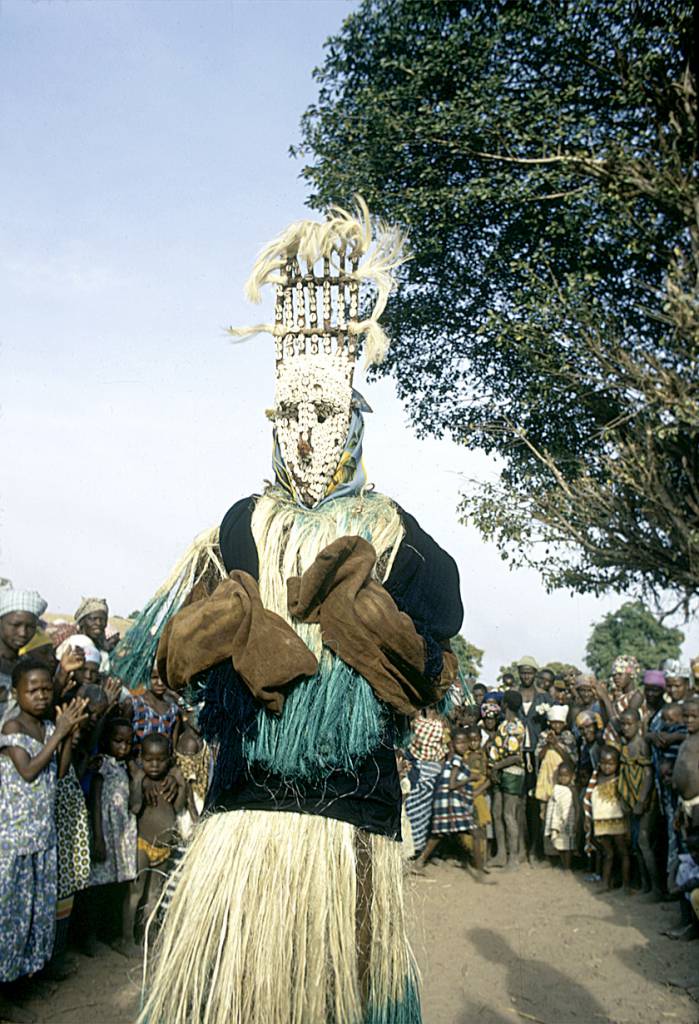
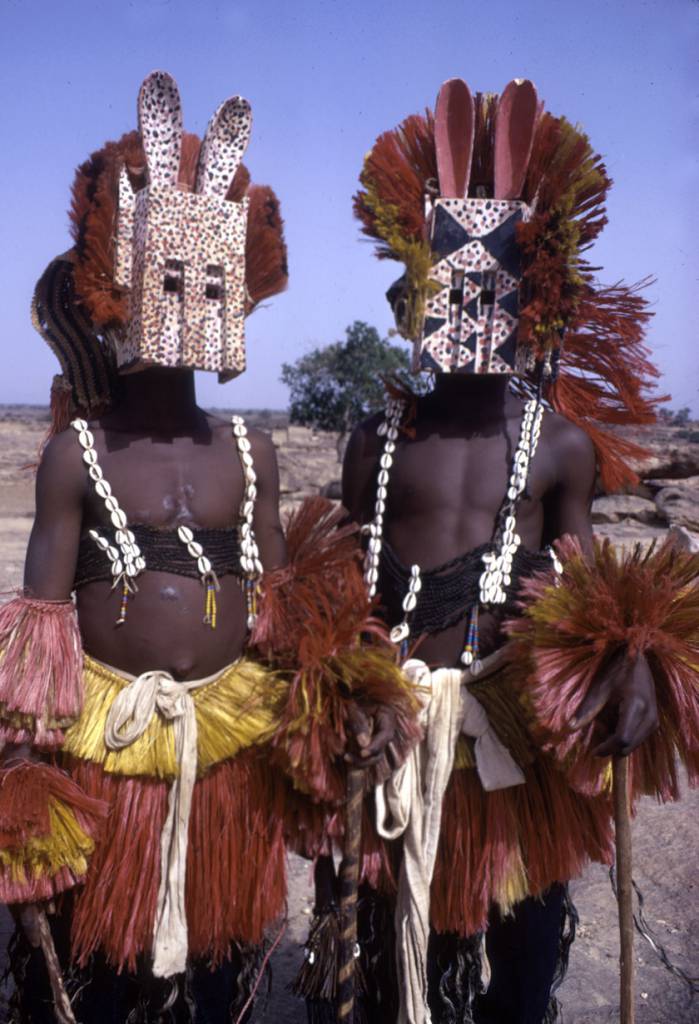
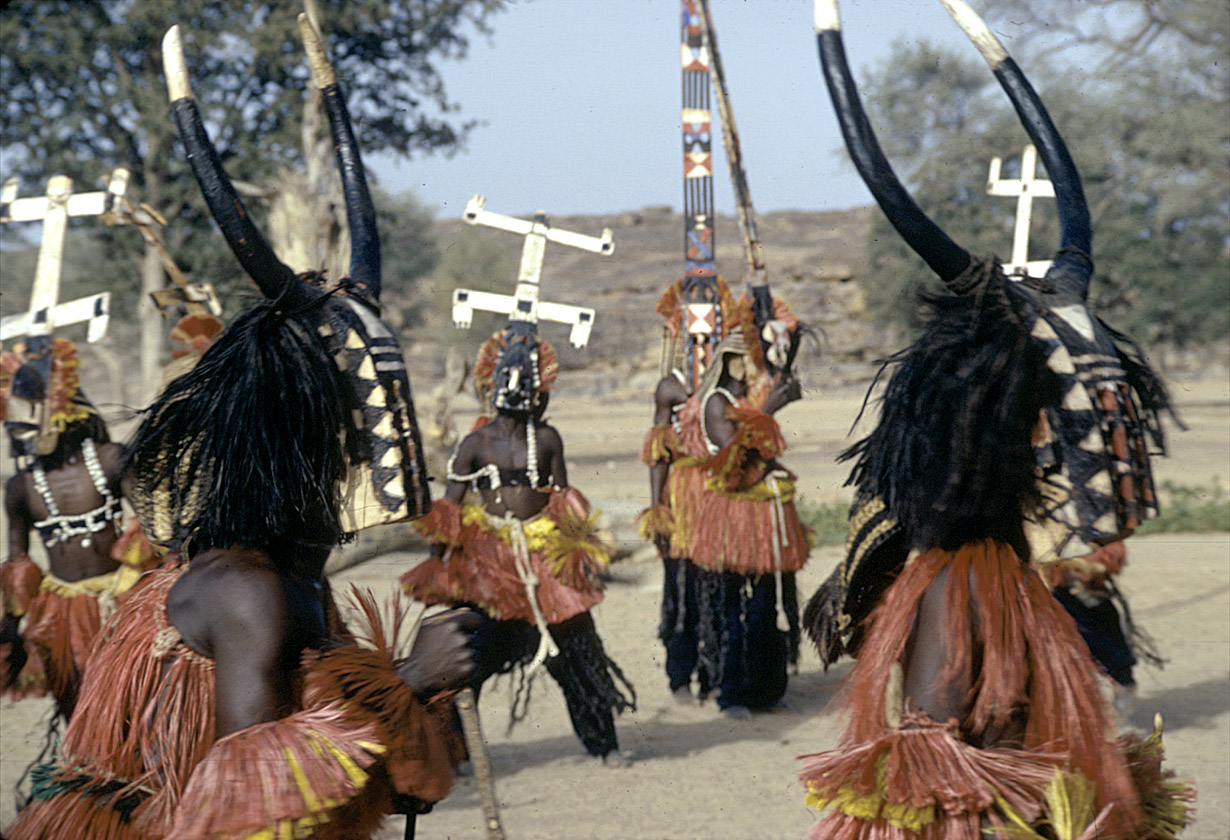
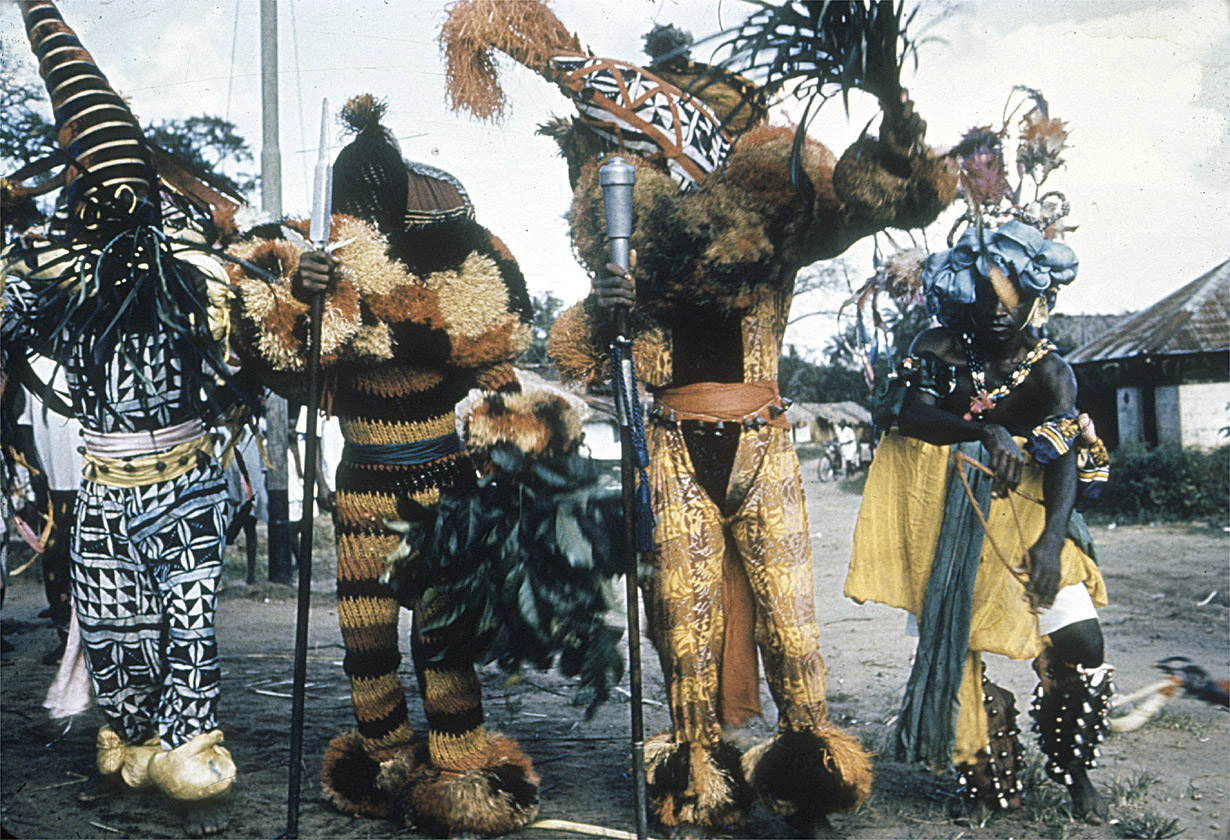
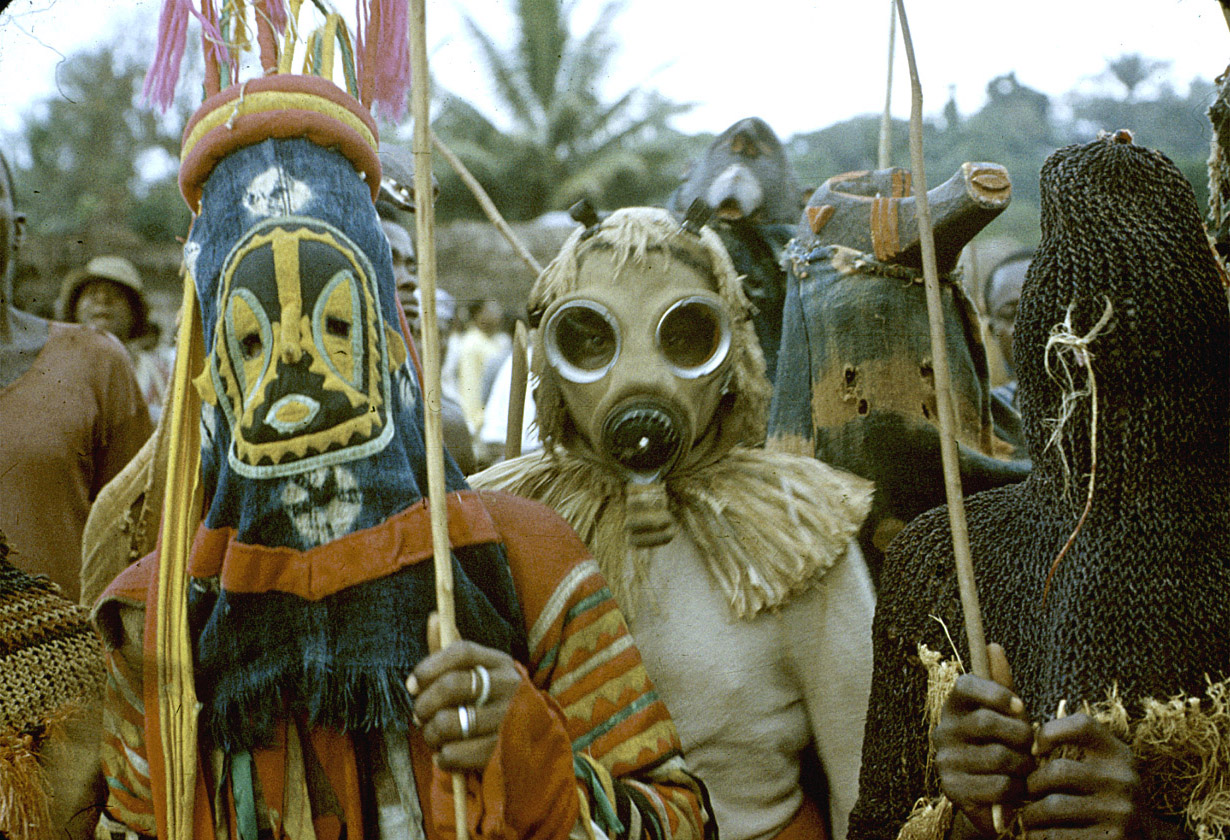
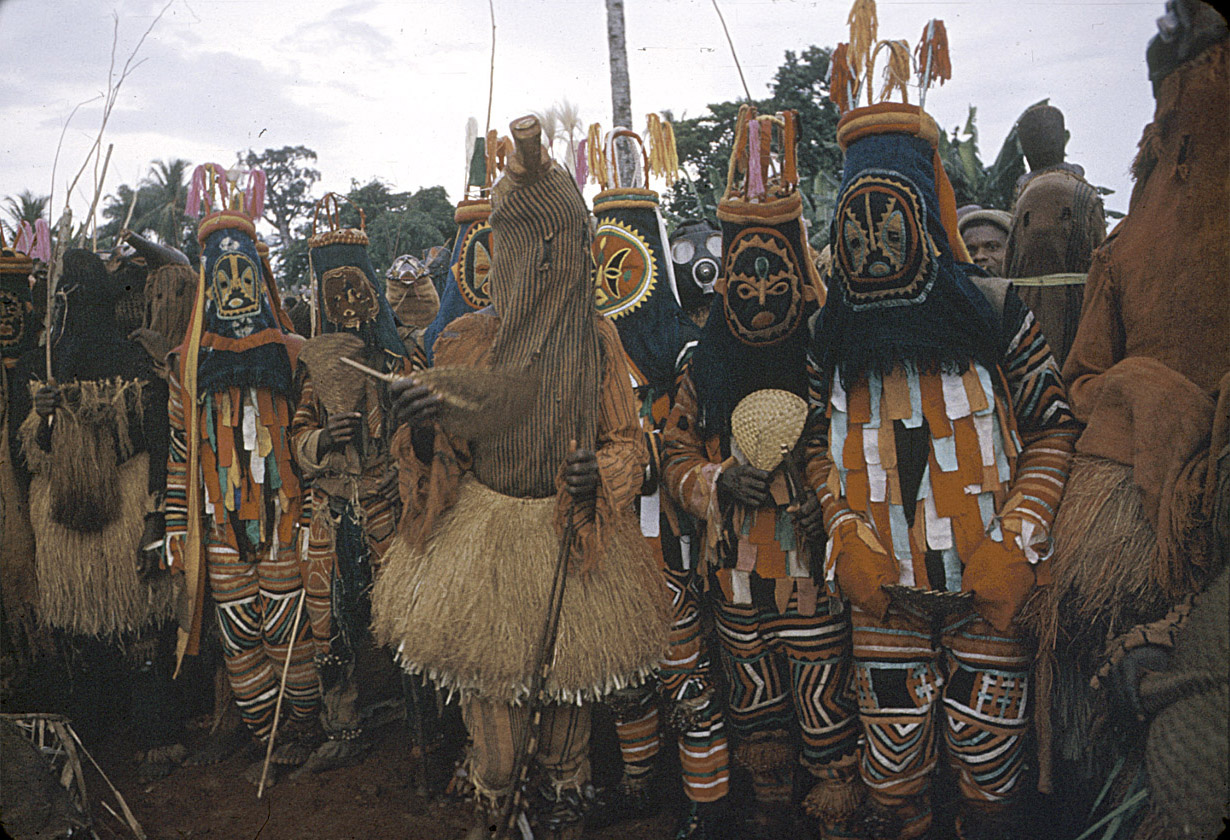
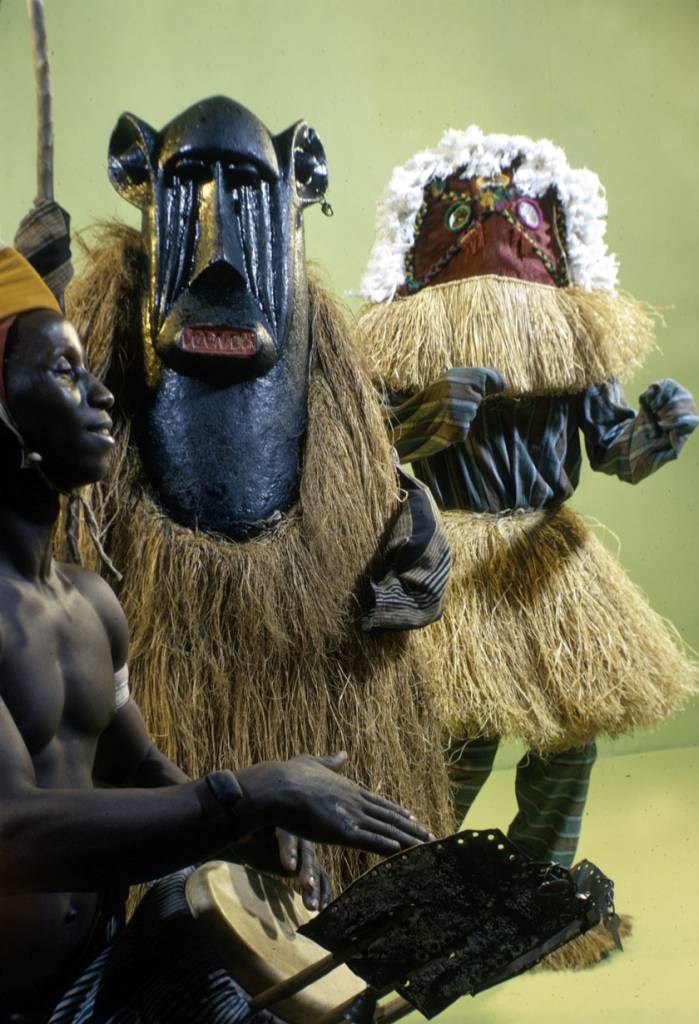
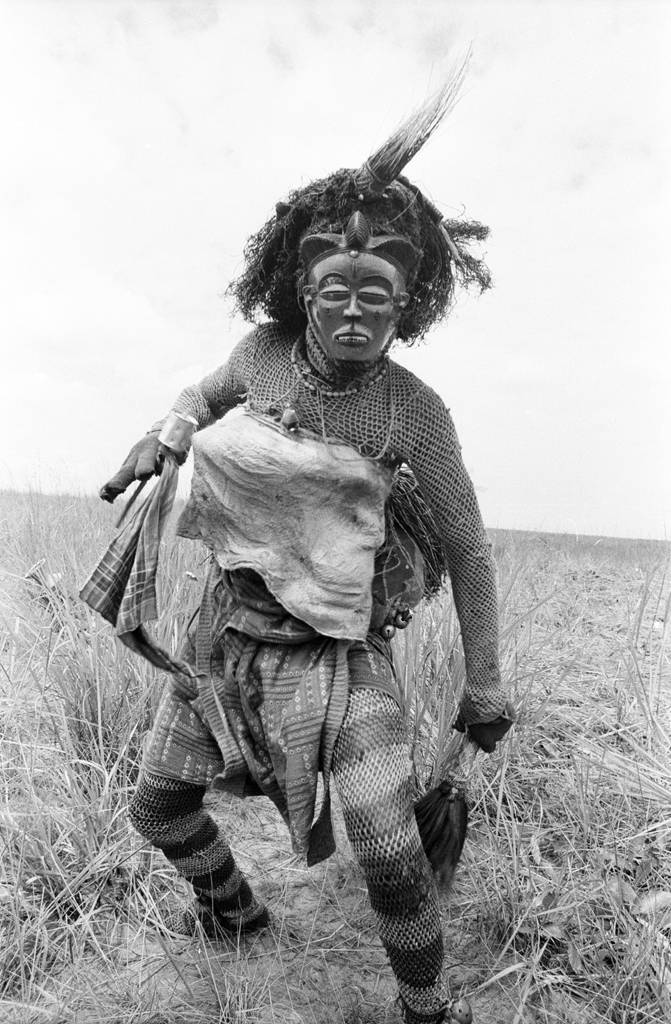
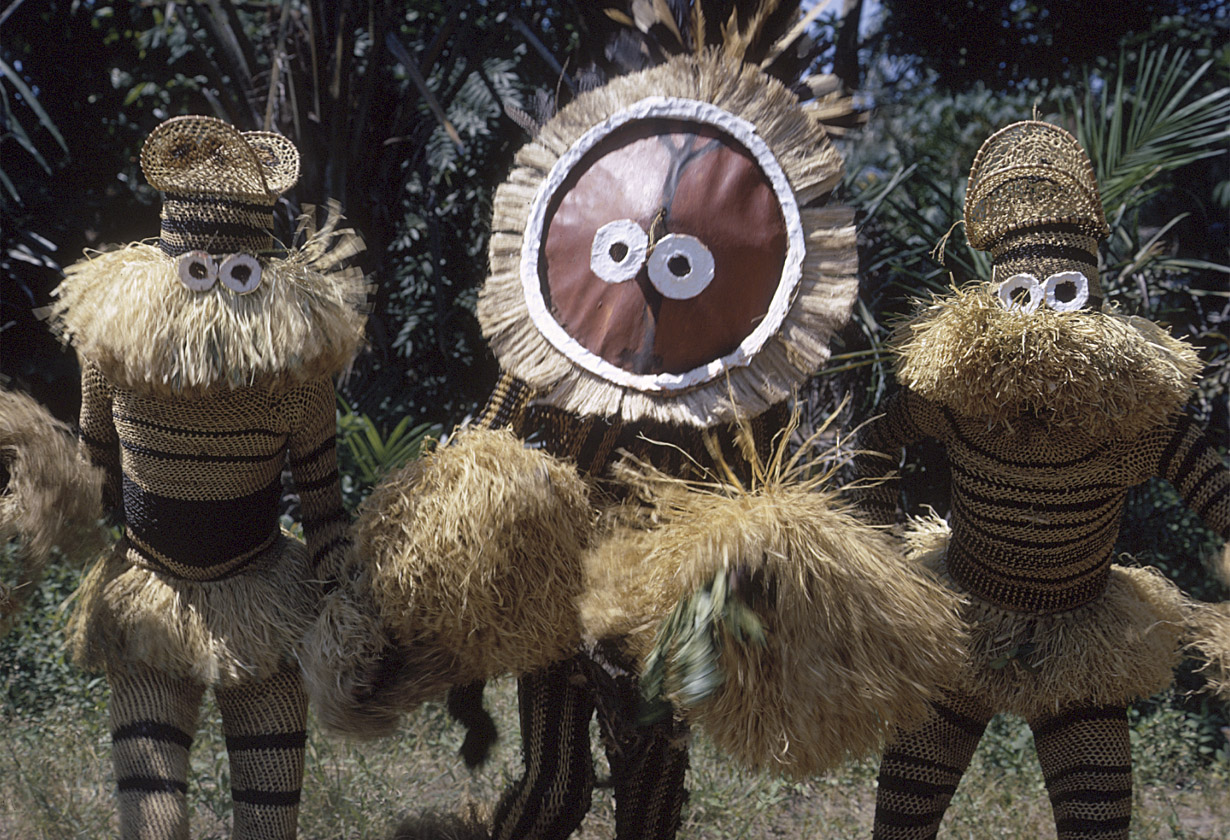
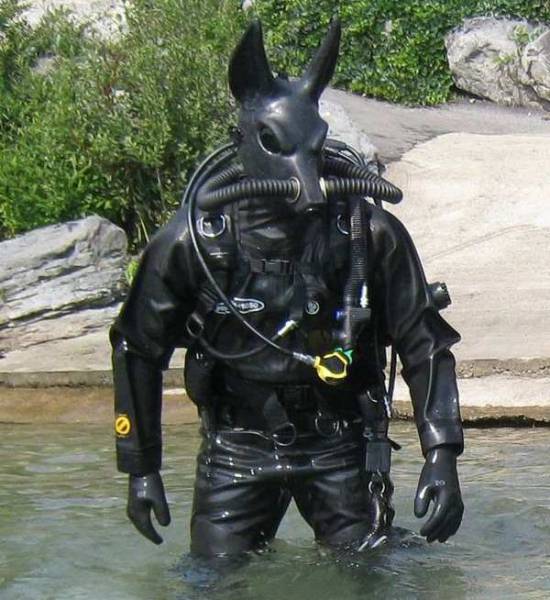
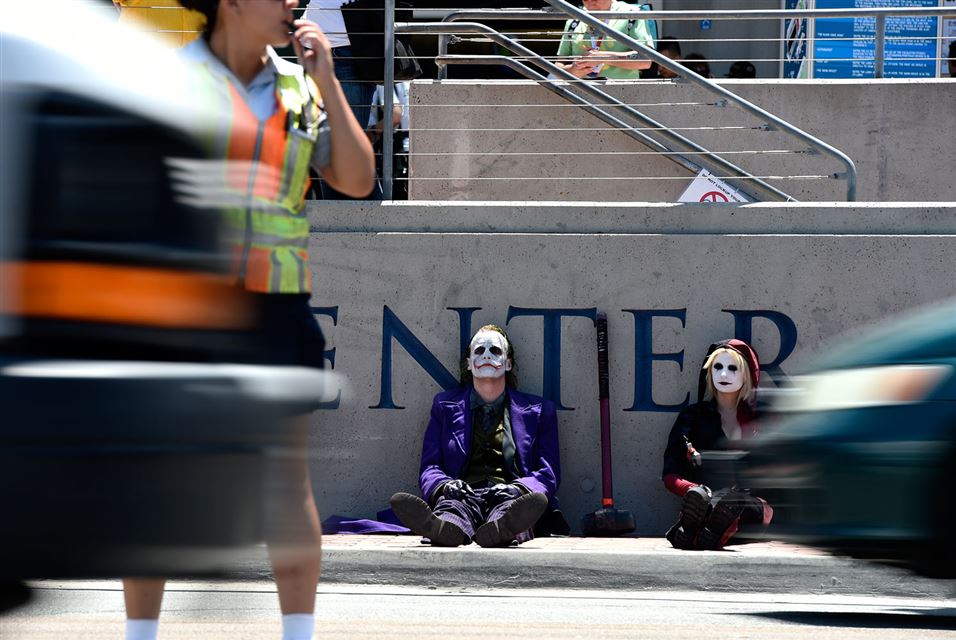
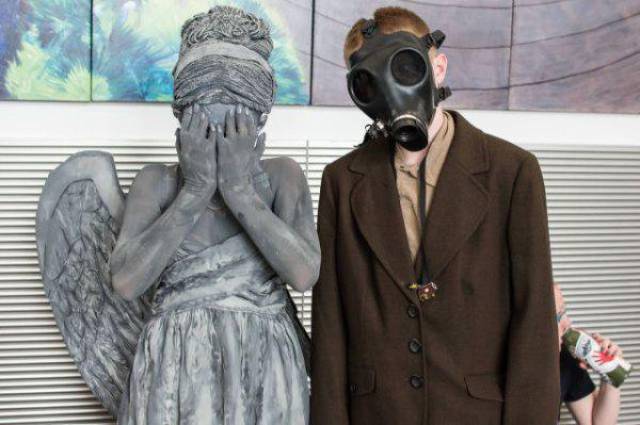
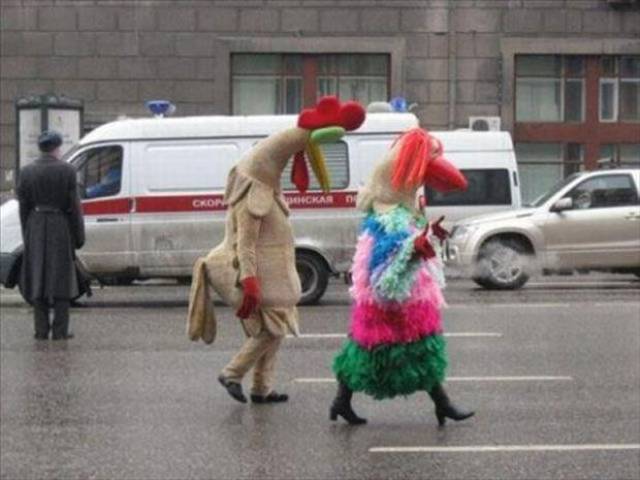
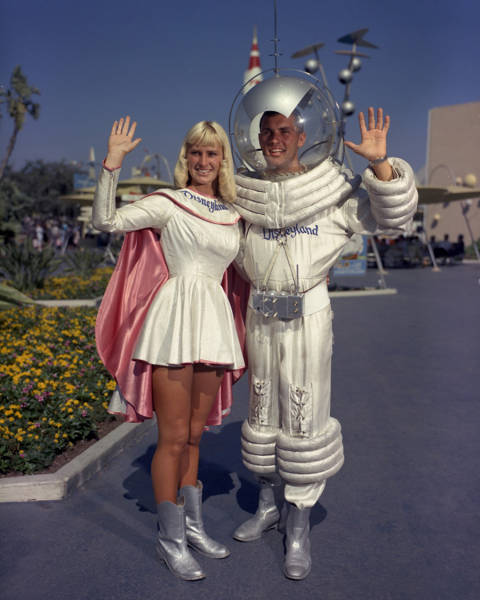
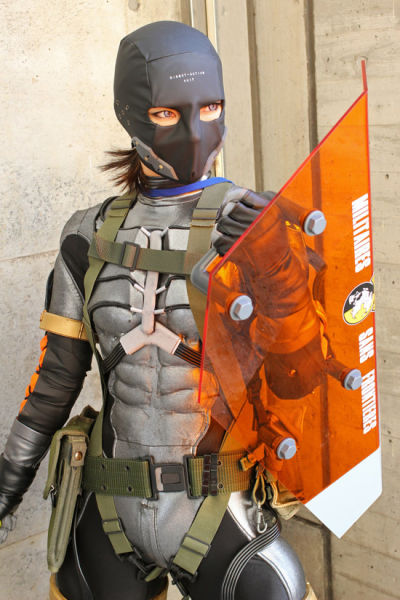
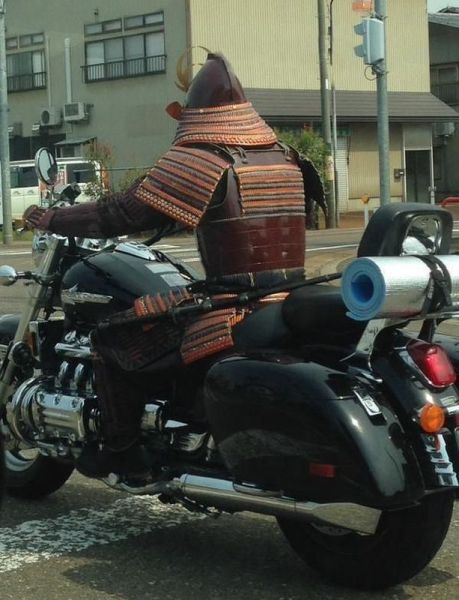
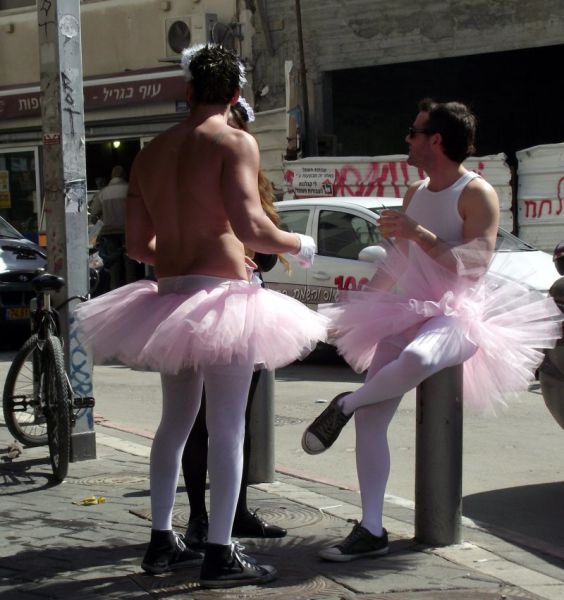
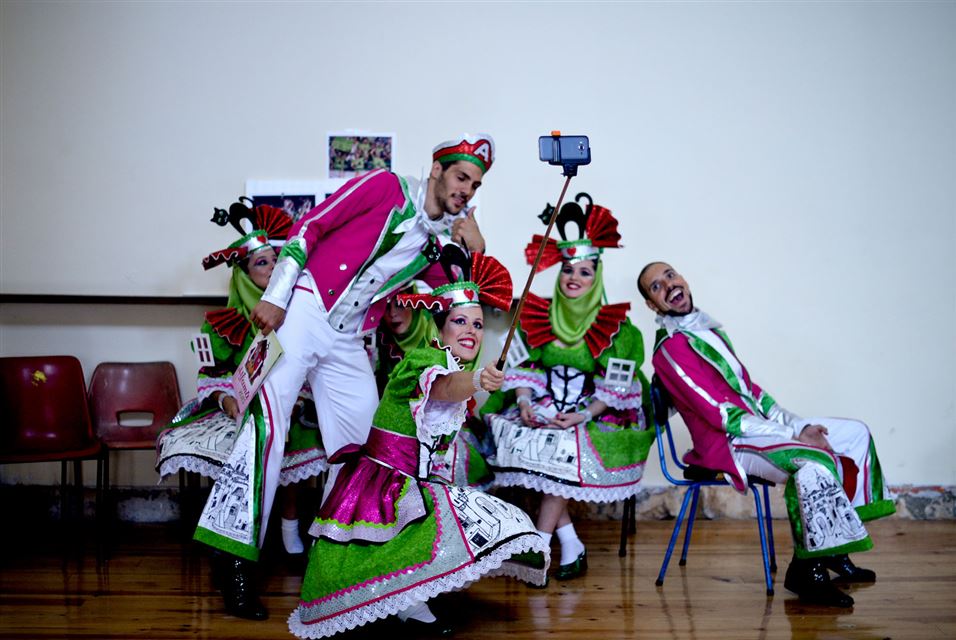
I believe every garment is either a costume or a uniform but sometimes things get a bit twisted.

daily_picdump_1895_640_98 daily_picdump_1895_640_75 humans_can_be_real_douchebags_sometimes_640_18 daily_picdump_1894_640_73 daily_picdump_1894_640_59 daily_picdump_1894_640_23 funny_picdump_1048_640_high_11 funny_picdump_1048_640_05 daily_picdump_1893_640_55 daily_picdump_1893_640_40 times_when_tumblr_comments_made_an_ordinary_photo_ten_times_more_funny_640_high_19 some_things_are_just_beyond_explanation_640_high_10 daily_picdump_1890_640_59 morning_picdump_799_640_49 funny_picdump_1047_640_high_09 its_more_than_just_a_photo_640_38 morning_picdump_80_640_25 a_damn_fine_collection_of_fascinating_photos_06 very_interesting_photos_22-1 very_interesting_photos_15 very_interesting_photos_28 very_interesting_photo_03-2 very_interesting_photo_02-1 very_interesting_photo_14-1 very_interesting_photos_10 now_thats_an_interesting_fashion_choice_640_35 daily_picdump_1886_640_09 daily_picdump_1887_640_56 daily_picdump_1887_640_43 daily_picdump_1887_640_30 0000d845_medium L_3-bc198b66-14db morning_picdump_795_640_18 daily_picdump_1884_640_27 daily_picdump_1884_640_17 grownup_corner_180_640_03 daily_picdump_1885_640_29 morning_picdump_796_640_high_54 grownup_corner_179_640_56 morning_picdump_792_640_11 in_a_word_this_is_awesome_640_47 in_a_word_this_is_awesome_640_34 in_a_word_this_is_awesome_640_25 in_a_word_this_is_awesome_640_20 daily_picdump_1881_640_67 daily_picdump_1881_640_high_37 daily_picdump_1880_640_74 daily_picdump_1880_640_35 folkloric-festival-peru_91109_990x742 spotlight_was_stolen_in_these_pictures_640_16 morning_picdump_787_640_34 daily_picdump_1872_640_60 daily_picdump_1872_640_28 grownup_corner_178_640_27 grownup_corner_178_640_08 daily_picdump_1873_640_17 funny-hoodie-body-muscle-six-pack funny-Bender-cosplay-girls-clothes L_2-7950141b-d4e0 daily_picdump_1869_640_38 women 2-699x1024 4 6 7-699x1024 11-699x1024 10 9 12-699x1024 15-699x1024 16-699x1024 20 23 27 30 31 35 40 80-699x1024 90 92-671x1024 49 funny_picdump_1024_640_18 funny_picdump_1025_640_25 morning_picdump_781_640_39 morning_picdump_782_640_35 morning_picdump_784_640_55 morning_picdump_784_640_09 daily_picdump_1862_640_92 daily_picdump_1862_640_16 daily_picdump_1863_640_86 daily_picdump_1863_640_62 daily_picdump_1863_640_51 daily_picdump_1863_640_07 daily_picdump_1863_640_02 daily_picdump_1864_640_18 daily_picdump_1865_640_60 daily_picdump_1865_640_18 daily_picdump_1865_640_08 daily_picdump_1866_640_56 daily_picdump_1866_640_37 daily_picdump_1866_640_17 daily_picdump_1868_640_37 this-female-nights-king-has-her-piercing-blue-eyes-on-the-realm predator-and-cyberman-from-doctor-who-duke-it-out L_3-4db4aef7-acb8 daily_picdump_1860_640_41 seriously_wtf_is_going_on_here_640_40 seriously_wtf_is_going_on_here_640_38 seriously_wtf_is_going_on_here_640_29 seriously_wtf_is_going_on_here_640_26 morning_picdump_780_640_52 morning_picdump_780_640_24 daily_picdump_1861_640_60 Batman, 1960s (19) funny_picdump_1019_640_04 morning_picdump_775_640_18 morning_picdump_776_640_36 morning_picdump_776_640_35 morning_picdump_778_640_39 morning_picdump_778_640_33 morning_picdump_778_640_30 daily_picdump_1850_640_26 daily_picdump_1850_640_11 daily_picdump_1857_640_02 daily_picdump_1850_640_44 daily_picdump_1858_640_95 daily_picdump_1858_640_92 daily_picdump_1852_640_73 daily_picdump_1852_640_74 daily_picdump_1852_640_67 daily_picdump_1852_640_54 daily_picdump_1853_640_15 daily_picdump_1854_640_49 daily_picdump_1855_640_98 daily_picdump_1855_640_86 daily_picdump_1855_640_12 daily_picdump_1855_640_11 funny_picdump_1013_640_06 daily_picdump_1854_640_35 the_weird_stuff_you_will_only_see_in_asia_640_42 daily_picdump_1849_640_15 morning_picdump_771_640_47 morning_picdump_771_640_36 daily_picdump_1847_640_83 daily_picdump_1847_640_26 morning_picdump_770_640_50 morning_picdump_770_640_43 this_is_an_awesomeness_overload_640_12 daily_picdump_1837_640_80 daily_picdump_1838_640_70 daily_picdump_1838_640_25 daily_picdump_1840_640_27 daily_picdump_1841_640_58 daily_picdump_1842_640_36 daily_picdump_1842_640_14 daily_picdump_1842_640_02 daily_picdump_1843_640_52 morning_picdump_766_640_46 morning_picdump_768_640_22 daily_picdump_1844_640_71 utilitybelt11 utilitybelt2 utility-belt1 utilitybelt10 L_3-cadcbfc6-f542 L_4-e8291de9-a4df daily_picdump_1832_640_32 daily_picdump_1833_640_65 daily_picdump_1834_640_63 daily_picdump_1834_640_33 omg_thats_not_right_640_25 morning_picdump_640_57 daily_picdump_1835_640_83 daily_picdump_1835_640_07 someone_please_save_me_from_this_hell_640_15 daily_picdump_1836_640_82 daily_picdump_1836_640_72 daily_picdump_1836_640_48 daily_picdump_1836_640_25 daily_picdump_1836_640_20 daily_picdump_1836_640_02 morning_picdump_763_640_49 morning_picdump_763_640_10 daily_picdump_1826_640_87 daily_picdump_1826_640_26 capybara morning_picdump_752_640_41 daily_pidcdump_1819_640_69 daily_picdump_1820_640_27 daily_picdump_1820_640_06 morning_picdump_753_640_32 morning_picdump_753_640_27 morning_picdump_746_640_20 daily_picdump_1811_640_37

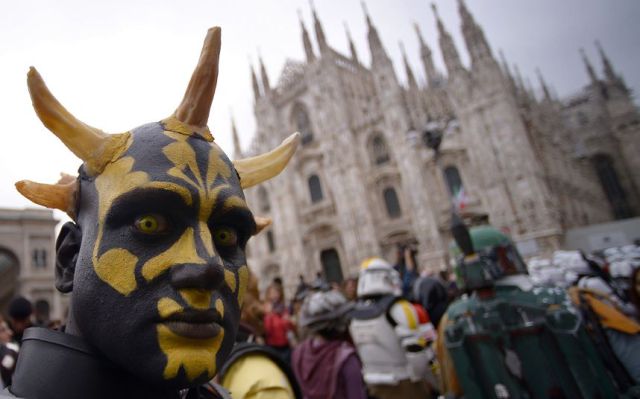
Members of Japan's avant-garde dance group “Dairakudakan” perform at a festival in Tokyo on May 5, 2015. Vacationers enjoy the Ginza Yanagi festival including street performances and dance by Geisha girls to mark Japan's week-long Golden Week holidays. (Photo by Yoshikazu Tsuno/AFP Photo)

Members of Japan’s avant-garde dance group “Dairakudakan” perform at a festival in Tokyo on May 5, 2015. Vacationers enjoy the Ginza Yanagi festival including street performances and dance by Geisha girls to mark Japan’s week-long Golden Week holidays. (Photo by Yoshikazu Tsuno/AFP Photo)

all_workdays_have_moments_like_these_640_35 daily_picdump_1812_640_83 daily_picdump_1812_640_79 daily_picdump_1812_640_34 morning_picdump_744_640_22 morning_picdump_744_640_12 daily_picdump_1807_640_62 daily_picdump_1807_640_38 daily_picdump_1807_640_36 morning_picdump_737_640_01 morning_picdump_738_640_50 morning_picdump_739_640_42 morning_picdump_740_640_33 morning_picdump_743_640_42 morning_picdump_743_640_03 daily_picdump_1796_640_69 dailypicdump1797_640_51 dailypicdump1797_640_16 daily_picdump_1806_640_79 daily_picdump_1806_640_69 daily_picdump_1806_640_62 daily_picdump_1806_640_59 daily_picdump_1806_640_56 daily_picdump_1806_640_55 daily_picdump_1806_640_40 daily_picdump_1798_640_81 daily_picdump_1798_640_32 daily_picdump_1798_640_22 daily_picdump_1799_640_99 daily_picdump_1799_640_52 daily_picdump_1800_640_80 daily_picdump_1800_640_53 daily_picdump_1800_640_48 daily_picdump_1800_640_01 daily_picdump_1801_640_07 daily_picdump_1802_640_47 daily_picdump_1803_640_43 daily_picdump_1803_640_03 daily_picdump_1804_640_67 daily_picdump_1804_640_02 daily_picdump_1805_640_68 daily_picdump_1805_640_35 daily_picdump_1805_640_31 morning_picdump_742_640_50 the_weird_stuff_you_will_only_see_in_asia_640_38 the_weird_stuff_you_will_only_see_in_asia_640_31 morning_picdump_729_640_30 morning_picdump_729_640_20 morning_picdump_730_640_47 morning_picdump_730_640_19 morning_picdump_731_640_03 morning_picdump_733_640_10 morning_picdump_735_640_44 morning_picdump_735_640_03 morning_picdump_734_640_23 daily_picdump_1792_640_38 Screen Shot 2014-11-22 at 7.16.45 PM

Posted in Uncategorized | Leave a comment

Without Humans, the Whole World is a Serengeti

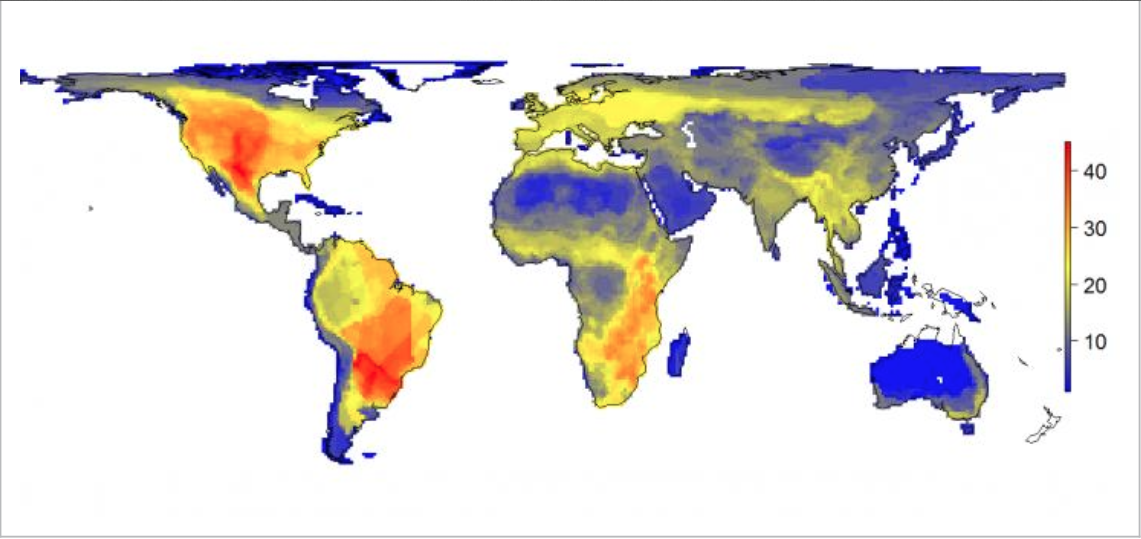
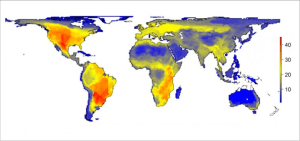
I wish it were possible to zoom in on this map to see how the Eden of an Earth with no humans would have looked:
Screen Shot 2015-08-23 at 9.30.06 PM

The natural diversity of large mammals is shown as it would appear without the impact of modern humans. The map shows the variation in the number of large mammals (45 kg or larger) that would have occurred per 100 x 100 kilometer grid cell. The numbers on the scale indicate the number of species.

The fact that the greatest diversity of large mammals is found in Africa reflects past human activities – and not climatic or other environmental constraints. This is determined in a new study, which presents what the world map of mammals would look like if homo sapiens had never existed.

In a world without humans, most of northern Europe would probably now be home to not only wolves, moose, and bears, but also animals such as elephants and rhinoceri.

This is demonstrated in a new study conducted by researchers from Aarhus University, Denmark. In a previous analysis, they have shown that the mass extinction of large mammals during the Last Ice Age (the late-Quaternary megafauna extinction) is largely explainable from the expansion of modern man  across the world.

In this follow-up study, they investigate what the natural worldwide diversity patterns of mammals would be like in the absence of past and present human impacts, based on estimates of the natural distribution of each species according to its ecology, biogeography and the current natural environmental template. They provide the first estimate of how the mammal diversity world map would have appeared without the impact of modern man.

“Northern Europe is far from the only place in which humans have reduced the diversity of mammals – it’s a worldwide phenomenon. And, in most places, there’s a very large deficit in mammal diversity relative to what it would naturally have been”, says Professor Jens-Christian Svenning, Department of Bioscience, Aarhus University, who is one of the researchers behind the study.

Africa is the last refuge

The current world map of mammal diversity shows that Africa is virtually the only place with a high diversity of large mammals. However, the world map constructed by the researchers of the natural diversity of large mammals shows far greater distribution of high large-mammal diversity across most of the world, with particularly high levels in North and South America, areas that are currently relatively poor in large mammals.

“Most safaris today take place in Africa, but under natural circumstances, as many or even more large animals would no doubt have existed in other places, e.g., notably parts of the New World such as Texas and neighboring areas and the region around northern Argentina-Southern Brazil. The reason that many safaris target Africa is not because the continent is naturally abnormally rich in species of mammals. Instead it reflects that it’s one of the only places where human activities have not yet wiped out most of the large animals,” says Postdoctoral Fellow Soren Faurby, Department of Bioscience, Aarhus University, who is the lead author on the study.

The existence of Africa’s many species of mammals is thus not due to an optimal climate and environment, but rather because it is the only place where they have not yet been eradicated by humans. The underlying reason includes evolutionary adaptation of large mammals to humans as well as greater pest pressure on human populations in long-inhabited Africa in the past.

Better understanding helps nature preservation

The study’s openly accessible data set of natural range maps for all late-Quatenary mammals provides researchers with the first opportunity to analyse the natural patterns in the species diversity and composition of mammals worldwide. Hereby, it can be used to provide a better understanding of the natural factors that determine the biodiversity in a specific area.

Today, there is a particularly large number of mammal species in mountainous areas. This is often interpreted as a consequence of environmental variation, where different species have evolved in deep valleys and high mountains. According to the new study, however, this trend is much weaker when the natural patterns are considered.

“The current high level of biodiversity in mountainous areas is partly due to the fact that the mountains have acted as a refuge for species in relation to hunting and habitat destruction, rather than being a purely natural pattern. An example in Europe is the brown bear, which now virtually only live in mountainous regions because it has been exterminated from the more accessible and most often more densely populated lowland areas,” explains Soren Faurby.

Hereby, this new study can provide an important base-line for nature restoration and conservation.

The study has been published in the scientific journal Diversity and Distributions.

Illustration credit: Postdoctoral Fellow Soren Faurby
Department of Bioscience
Aarhus University, Denmark
(now employed at the Museum of Natural History, Madrid)

Posted in Uncategorized | Leave a comment

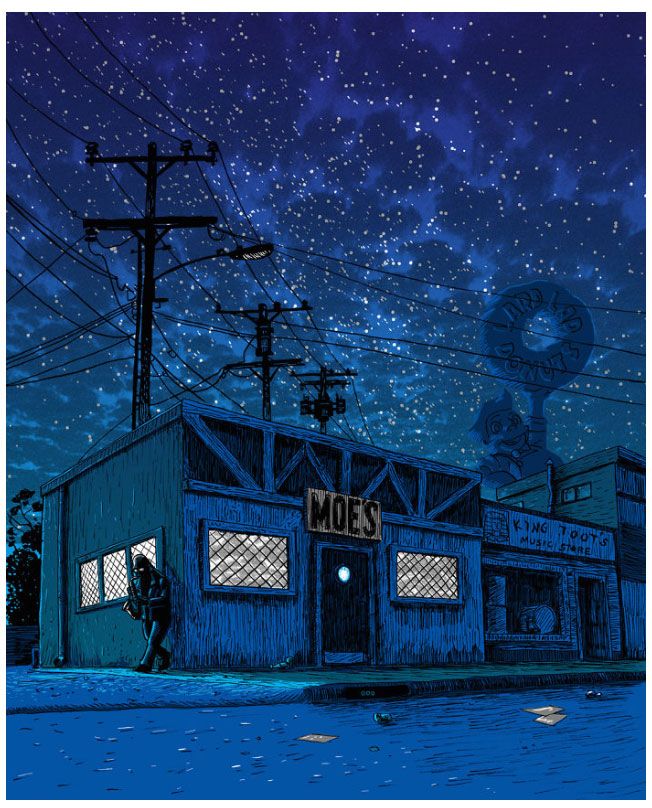
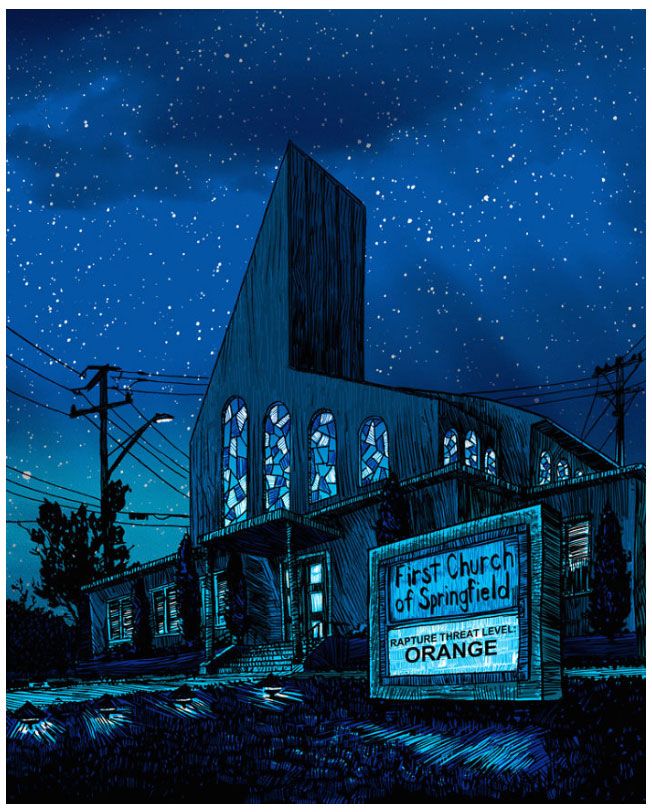
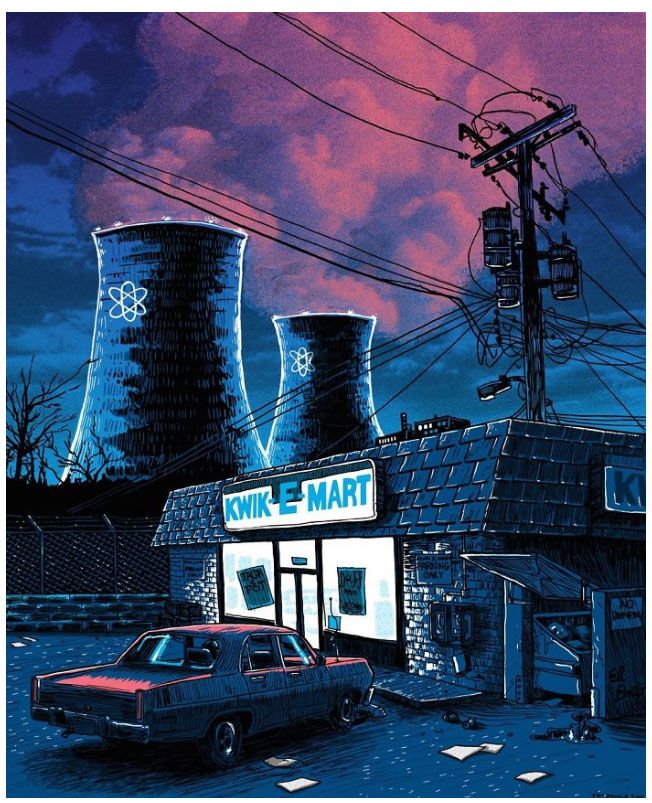
Springfield Noir by Tim Doyle

The Simpsons’ home town given a noir treatment by artist Tim Doyle:

simpsons33 simpsons34 simpsons35 simpsons36 simpsons37 simpsons38 simpsons39

Posted in Uncategorized | 1 Comment

The wonderful sets of Mad Men revealed

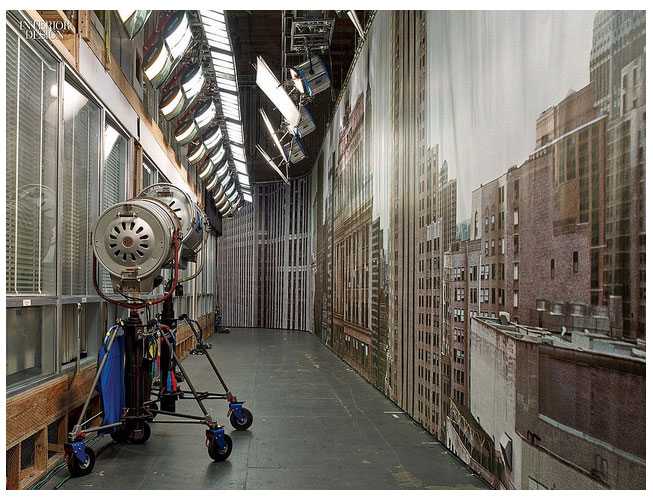
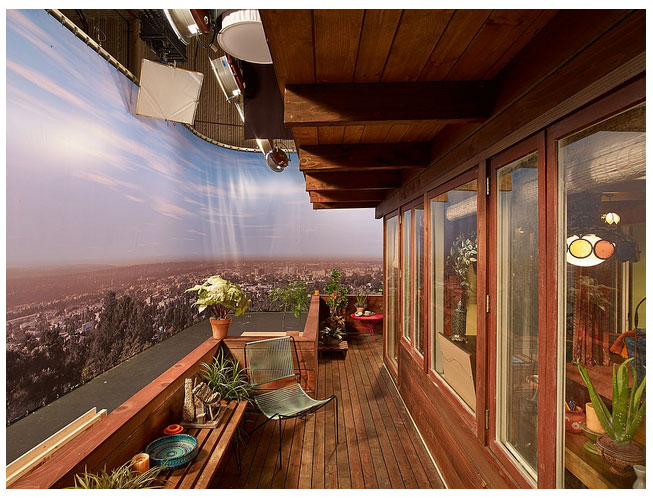
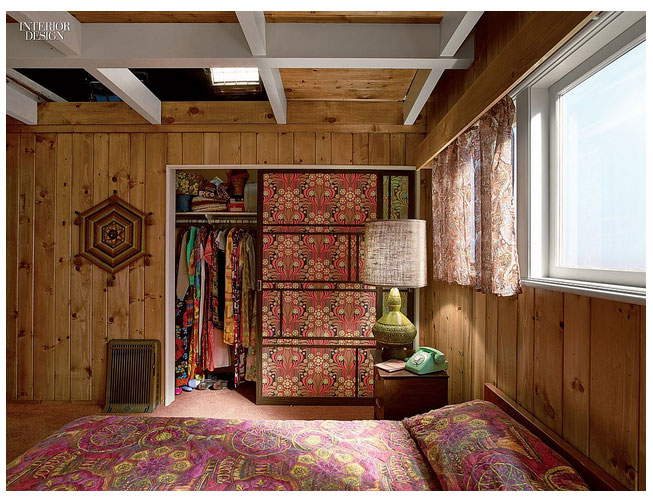
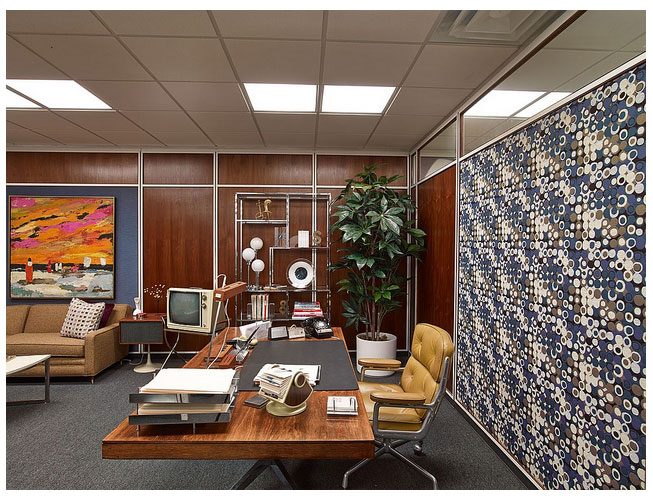
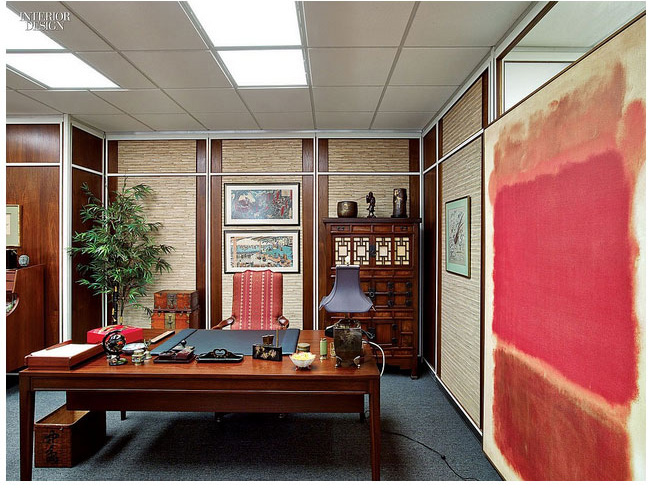
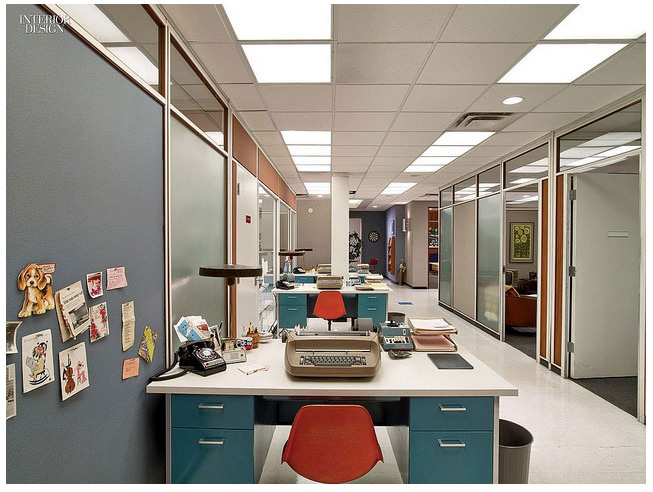
Now that the series Mad Men has ended, seeing the incredible sets in their actual context is a delight.

madmen22 madmen23 madmen24 madmen25 madmen26 madmen27 madmen28 madmen29 madmen30 madmen31 madmen32 madmen33 madmen34 madmen35 madmen36 madmen37 madmen38

Posted in Uncategorized | Leave a comment

Bad Lip Reading takes on the Rethuglican presidential debates

Today the satirical group that produces Bad Lip Reading has hilariously taken on the first Rethuglican debate.

Not surprisingly, what they have them saying is mostly more coherent than what was actually said.

Bad Lip Reading is a series of videos put together where lines are dubbed in over television footage to match the moving lips of the participants. The series started with NFL interviews and has branched out to politics, movies, and even American Idol.
Posted in Uncategorized | Leave a comment

Building The Golden Gate Bridge

Great footage from 1930s of the construction of the Golden Gate Bridge in every phase of construction.

via Prelinger Archives – Bethlehem Steel Documentary

Posted in Uncategorized | Leave a comment

Comet 67P/Churyumov-Gerasimenko Perihelion Approaches

ESA_Rosetta_OSIRIS_NAC_20150812_T1735c

This dramatic outburst from the nucleus of Comet 67P/Churyumov-Gerasimenko occured on August 12, just hours before perihelion, its closest approach to the Sun. Completing an orbit of the Sun once every 6.45 years, perihelion distance for this periodic comet is about 1.3 astronomical units (AU), still outside the orbit of planet Earth (at 1 AU). The stark image of the 4 kilometer wide, double-lobed nucleus in bright sunlight and dark shadows was taken by the Rosetta spacecraft’s science camera about 325 kilometers away. Too close to see the comet’s growing tail, Rosetta maintains its ringside seat to watch the nucleus warm and become more active in coming weeks, as primordial ices sublimating from the surface produce jets of gas and dust.

Image Credit: ESA / Rosetta / MPS for OSIRIS Team

Posted in Uncategorized | 1 Comment

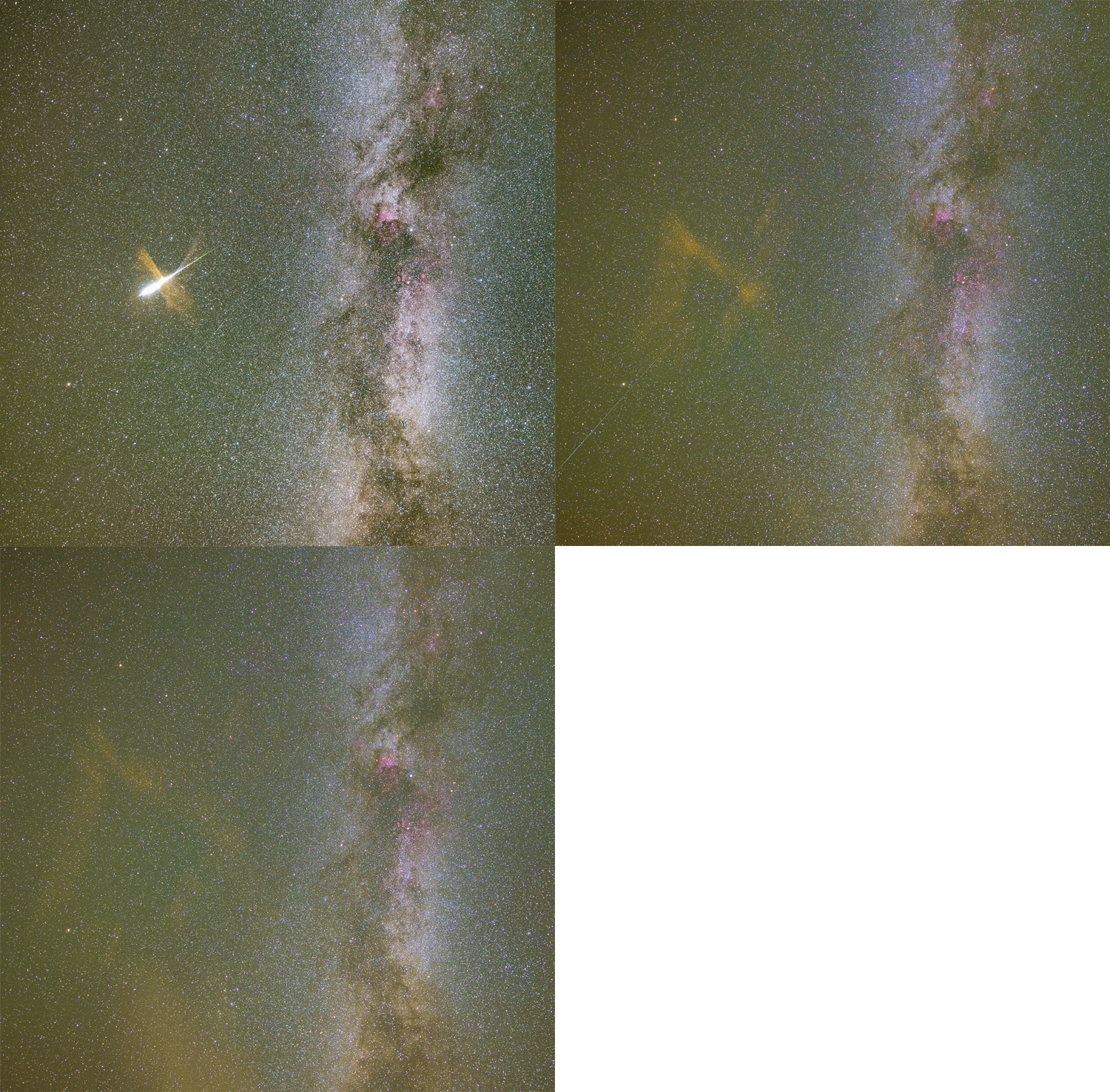
Milky Way and Exploding Meteor

Image Credit & Copyright: André van der Hoeven (via Astronomy Picture of the Day)

Featured below is a meteor caught exploding two weeks ago above Austria next to the central band of our Milky Way Galaxy.

MeteorBoom_vanderHoeven_750

 Tonight the Perseid Meteor Shower reaches its maximum. Grains of icy rock will streak across the sky as they evaporate during entry into Earth’s atmosphere. These grains were shed from Comet Swift-Tuttle. The Perseids result from the annual crossing of the Earth through Comet Swift-Tuttle’s orbit, and are typically the most active meteor shower of the year. Although it is hard to predict the level of activity in any meteor shower, in a clear dark sky an observer might see a meteor a minute. This year’s Perseids occur just before a new Moon and so the relatively dark sky should make even faint meteors visible. Meteor showers in general are best be seen from a relaxing position, away from lights.

Posted in Uncategorized | Leave a comment

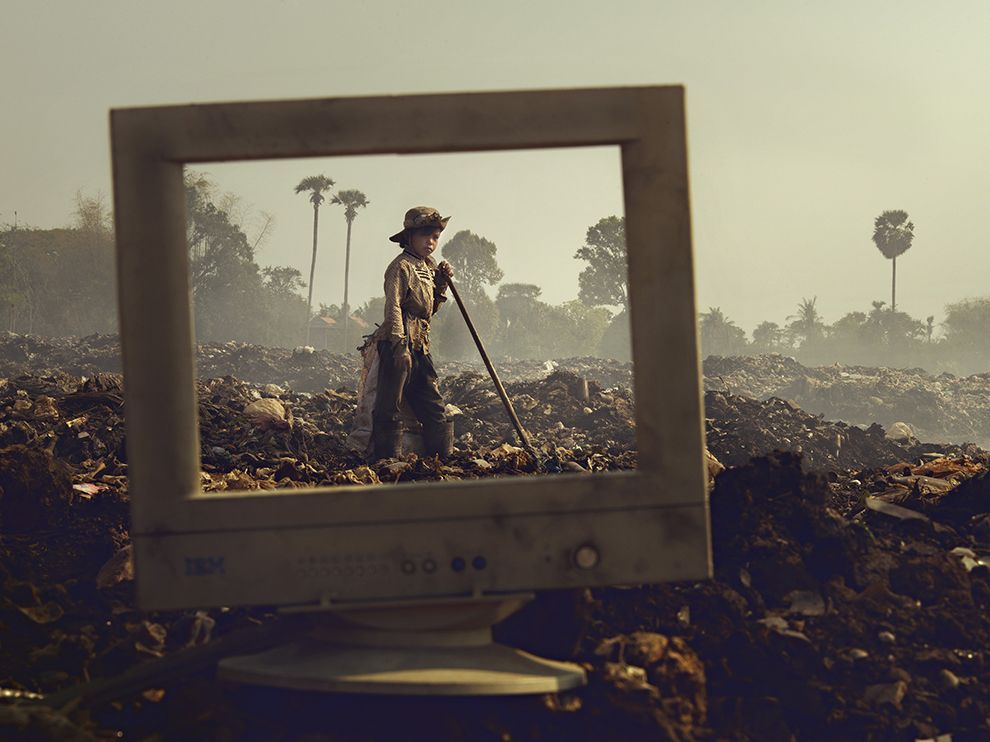
The Face of Poverty

trash-pile-cambodia_91290_990x742

This amazing photograph of a Cambodian garbage scavenger by Malaysian Yap Kh is tragic and yet beautiful in its poignancy.

Amid the haze of toxic fumes from burning garbage, in an atmosphere filled with the overpowering stench of rotting waste and surrounded by millions of restless flies flitting ceaselessly, a young garbage scavenger from a swarm of Cambodia’s most destitute people fights to survive, writes Your Shot member Yap Kh. They search, Kh says, for scraps of recyclables in newly dumped loads of rubbish. “Covered in filthy rags, they were scruffy, sickly, and sad. They earned 4,000 riel ($1) a day—if they were lucky.”

Via National Geographic Photo of the Day.

Posted in Uncategorized | Leave a comment

Lunar Transit of Earth

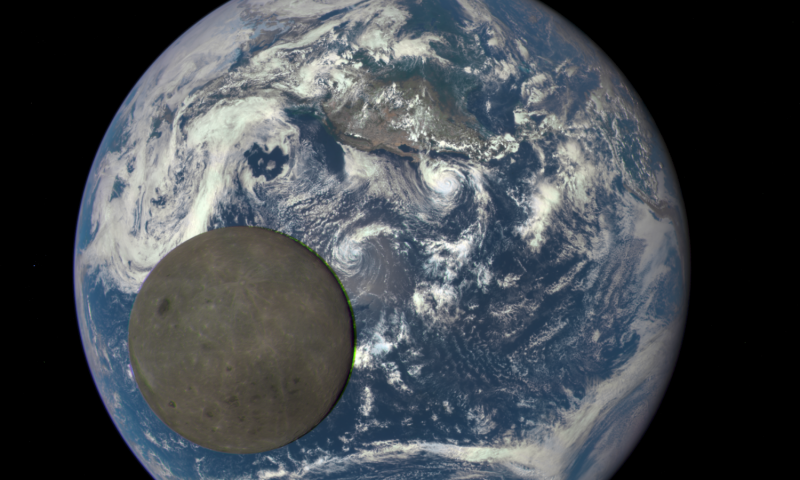
A NASA camera aboard the Deep Space Climate Observatory (DSCOVR) satellite captured a unique view of the moon as it moved in front of the sunlit side of Earth last month.

fromamillion

The series of test images shows the fully illuminated “dark side” of the moon that is never visible from Earth.

The images were acquired by NASA’s Earth Polychromatic Imaging Camera (EPIC), a four megapixel CCD and telescope on the DSCOVR satellite, which orbits about 1.6 million kilometers (1 million miles) from Earth. EPIC maintains a constant view of the fully illuminated Earth as it rotates, providing daily scientific observations of ozone, vegetation, cloud height, and airborne aerosols. About twice a year the camera will capture the Moon and Earth together as the orbit of DSCOVR crosses the orbital plane of the Moon.

The images shown above and in the movie below were taken over the course of five hours on July 16, 2015. The North Pole is toward the upper left, reflecting the orbital tilt of Earth from the vantage point of the spacecraft.

Posted in Uncategorized | Leave a comment