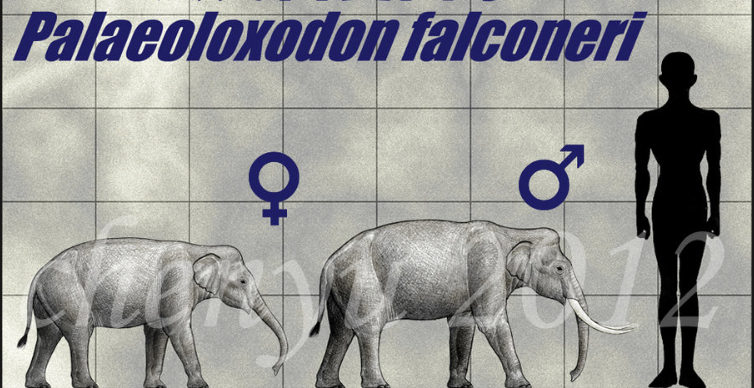
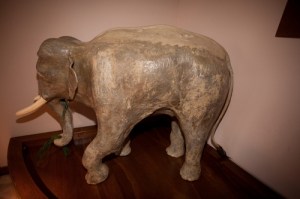
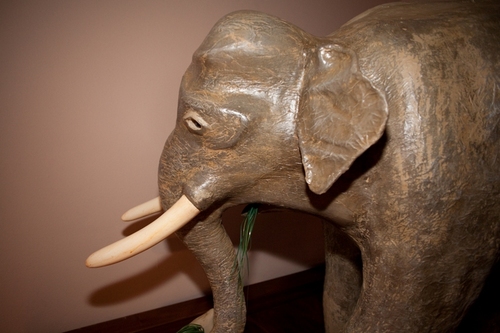
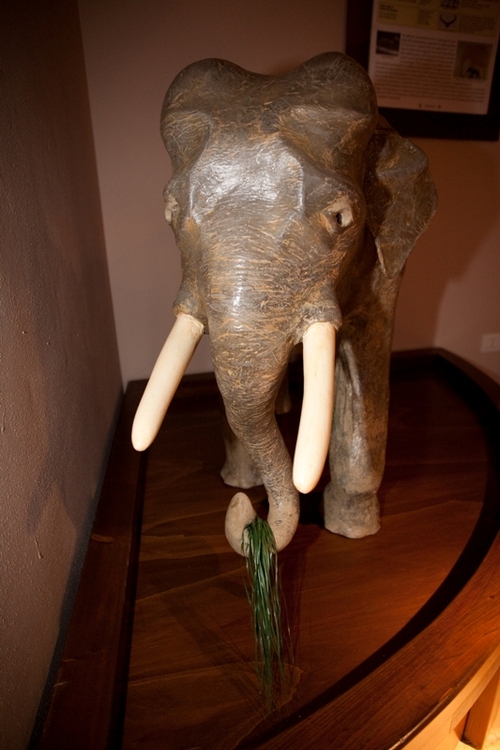
The Pygmy Elephant is an extinct species of elephant closely related to the modern Asian elephant. 500,000 year-old fossils have been recovered from various Mediterranean islands including Sicily, Malta, Crete, and Cyprus.
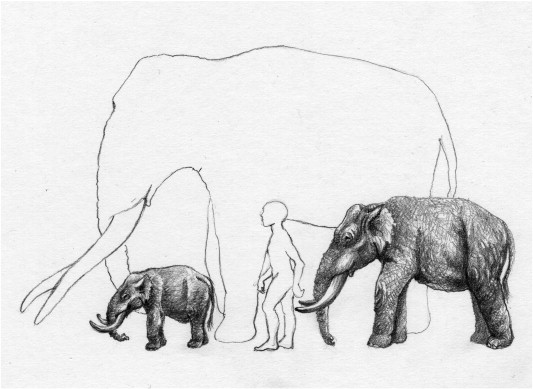
This island-bound elephant was an example of insular dwarfism, reaching only 90 cm (3 ft) in height. P. falconeri’s ancestors most likely reached the Mediterranean islands during the ice age when the sea levels were 100m (300 ft) lower, allowing land bridges from the mainland.
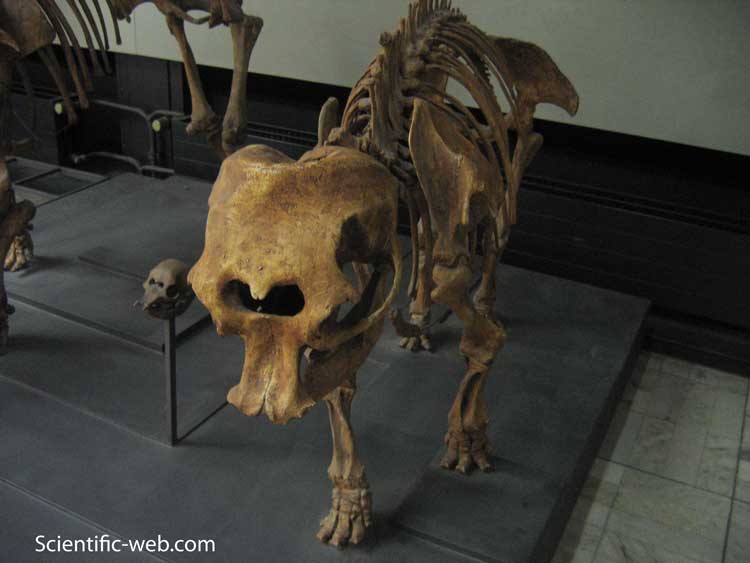
Are these the source of the Cyclops myth?
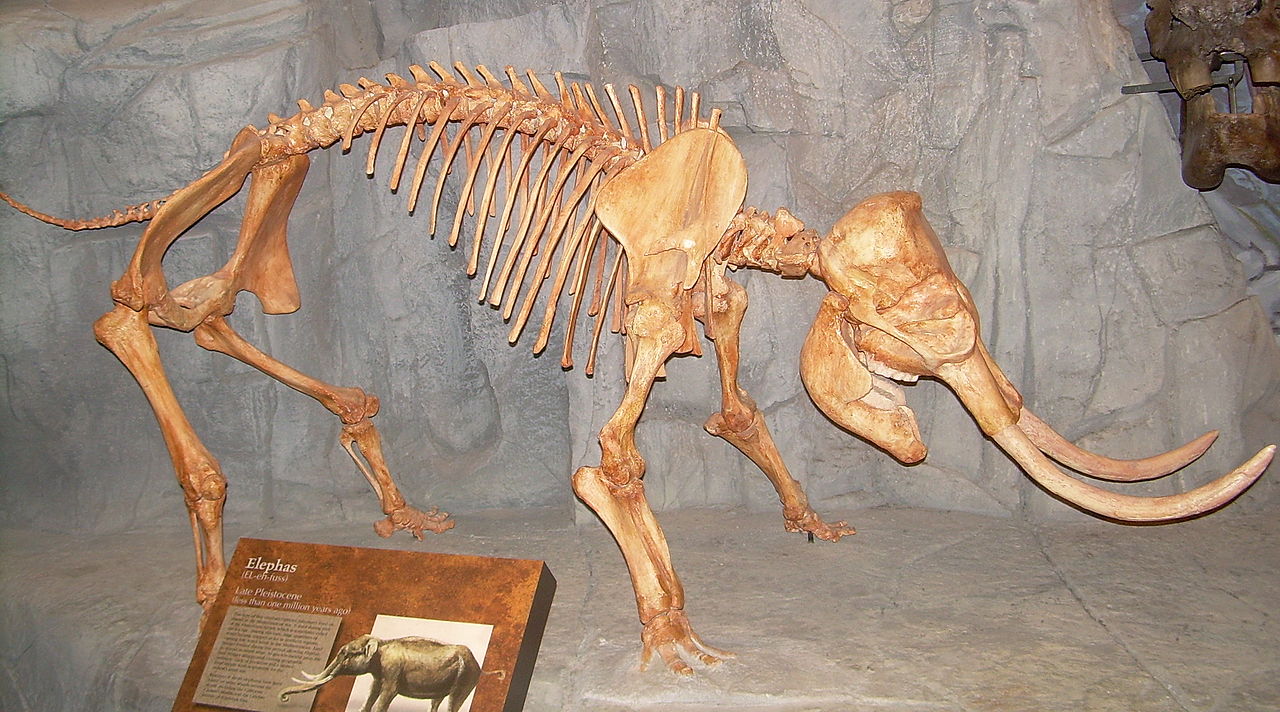
The belief in Cyclops may be originated in P. falconeri skulls found in Sicily. As early as the 14th century, scholars had noted that the nasal cavity could be mistaken for a singular giant eye socket.
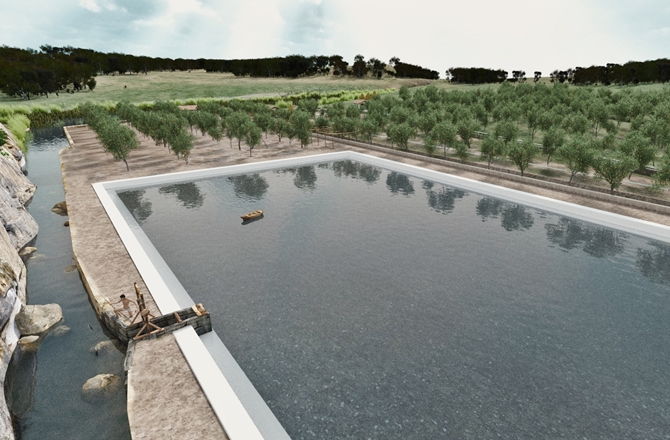
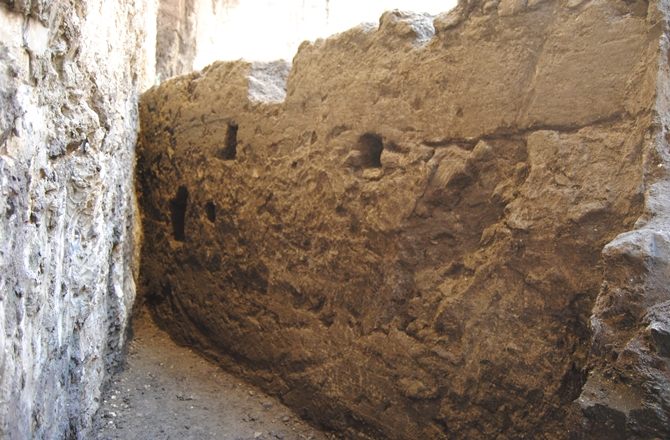
Found some 65 feet down near St. John in Lateran Basilica during the excavation of the new metro C line, the huge irrigation basin measures 115 feet by 230 feet.
“It’s so big that it goes beyond the perimeter of the metro work site. It has not been possible to uncover it completely,” Rossella Rea, the dig’s director, said at a news conference in Rome.
Dr Rea noted the basin was lined with hydraulic plaster and most likely extends, still preserved, beyond the work site toward the ancient city walls.
“On the basis of the size that had been determined so far, it could hold more than four million liters (1 million gallons) of water,” Rea said.
The massive basin was part of a farm dating to the third century B.C. In the first century A.D., the basin was added to existing structures, such as water wheels, used to lift and distribute the water along canals.
“Most likely it served as a water reservoir for crops as well as an area that made it possible to cope with overflows from the nearby river,” Rea said.
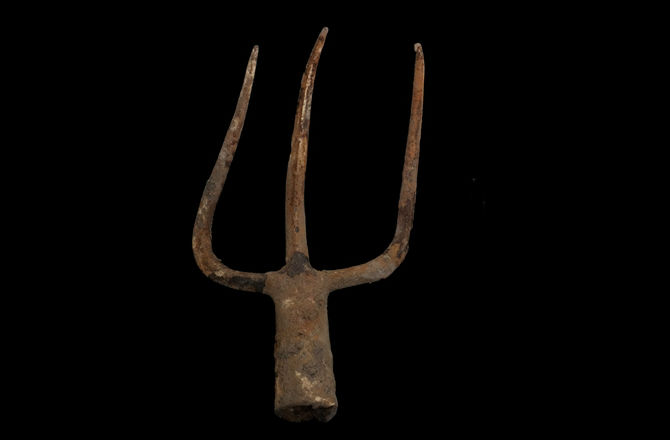
The excavation, carried out by archaeologists Francesca Montella and Simona Morretta, also brought to light various agricultural related items, such as a three-pronged iron pitchfork, and remains of storage baskets made from braided willow branches.
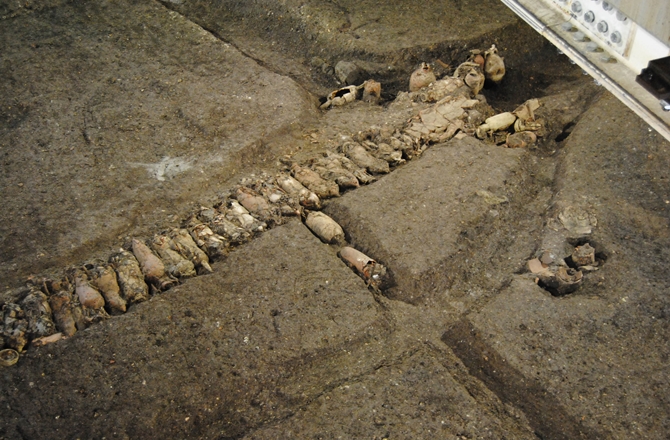
Lined up jars with their ends cut open were recycled as water conduits. Used tiles were also recycled to make canals. They were inscribed with the encircled initials “LT” — evidence that the farm belonged to a single owner.
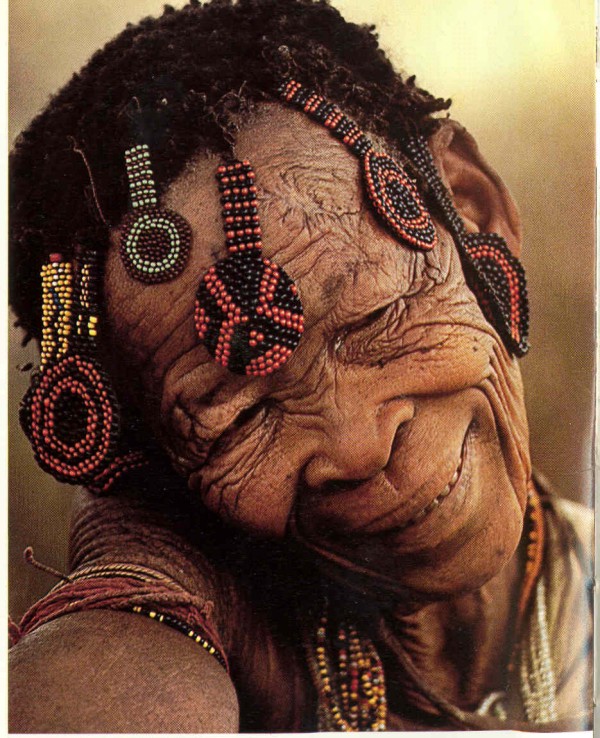
The famous Kalahari Bushmen of southern Africa have long been in decline. For more than a century, the people, who speak Khoisan languages, have been pushed off their land by farmers and brutalized by colonialists.
Yet for tens of thousands of years, the Khoisan’s ancestors were members of “the largest population” on the planet, according to a new study.
Published online today in Nature Communications, biochemist Stephan Schuster of Nanyang Technological University in Singapore and colleagues sequenced the complete genomes of five Khoisan hunter-gatherers from Namibia and compared them with the DNA from 1462 genomes of people from around the world.
Schuster’s team found that two of the Khoisan, members of the Ju/’hoansi population in Namibia, inherited their DNA only from Khoisan ancestors in the northern Kalahari region and showed no sign of interbreeding with non-Khoisan speakers. These two Ju/’hoansi genomes preserve ancient diversity inherited entirely from their direct ancestors.
Using several different methods of analysis, the team reconstructed population sizes for the ancestors of the Khoisan, as well as for Europeans, Asians, and another African group, the Yoruba. They found that all four groups declined in effective population size (the number of breeding adults) between 120,000 and 30,000 years ago. The non-Khoisan groups’ numbers plunged precipitously—by 30,000 years ago, European and Asian populations had plummeted by 90% from their peak, thanks to population bottlenecks caused by the migration of small groups out of Africa. But the Khoisan population declined by only 26%.
Until 20,000 years ago, when Bantu farmers spread south, the Khoisan may have been the most populous group on the planet.
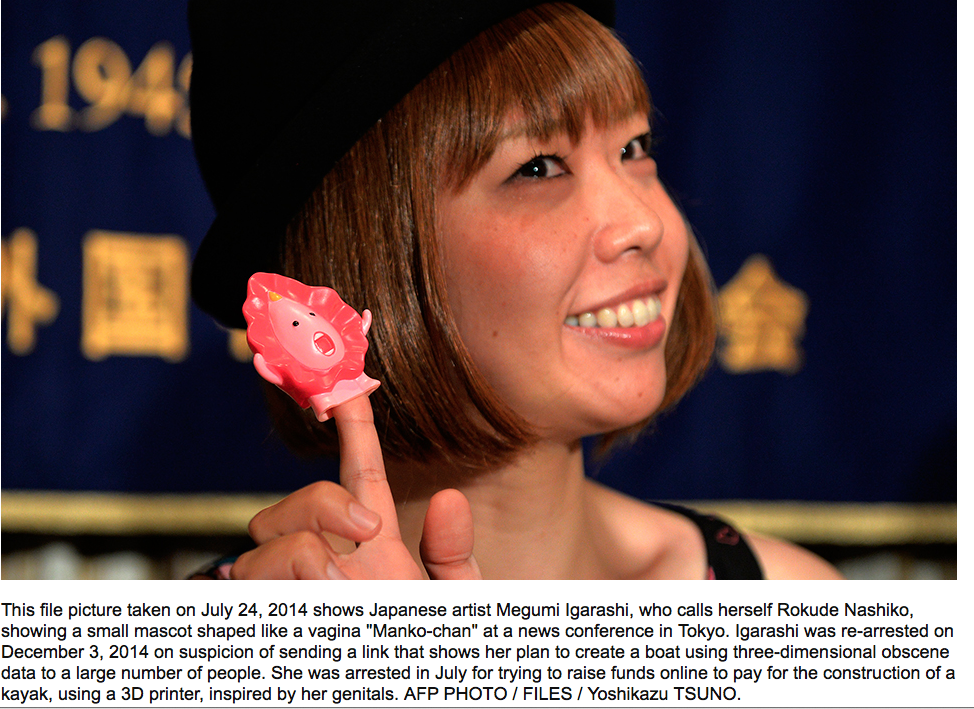
Japan, where porn is a major industry and images of brutal torture (of either sex) are perfectly fine but genitals (of either sex) are considered obscene and must be blurred. pixelated, or covered in all images comes this:
UPDATE: TOKYO — An artist was found not guilty of obscenity Monday for displaying figurines modeled on her vagina but received a fine for distributing digital data that could be used to make a realistic three-dimensional recreation of her genitalia.
A court in Tokyo dismissed prosecutors’ charge that Megumi Igarashi, who works under the name “Rokudenashiko” — or “good-for-nothing girl” — had displayed obscene objects. It ruled her figurines decorated with fake fur and glitter could be considered “pop art.”
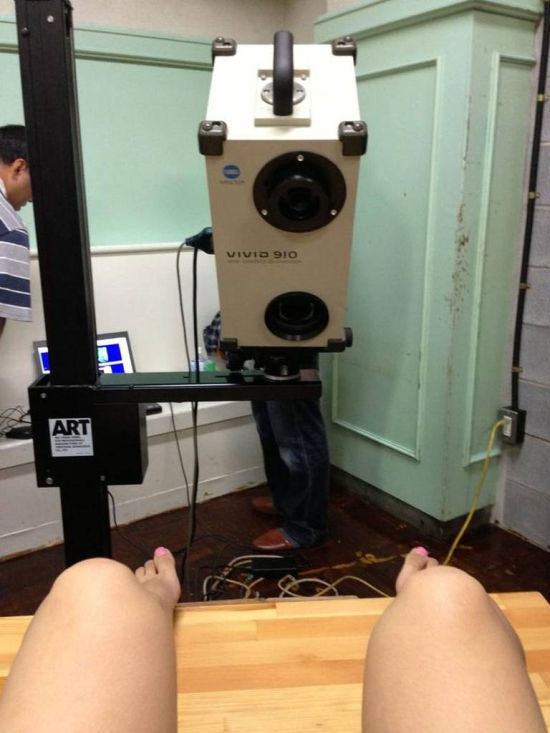
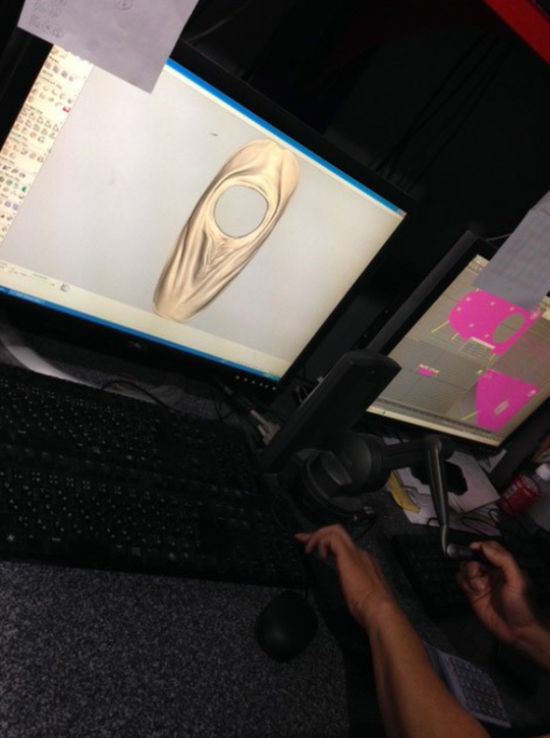
However, the judges said the data, from a scan of her own vagina, could be used with a three-dimensional printer to create a realistic shape that could sexually arouse viewers. (because apparently that would be easier than going to one of Japan’s easily accessible sex shops)
TOKYO (AFP).- An artist who made a kayak modelled on her own vagina was arrested in Japan on Wednesday, police said, in a case that has sparked accusations of censorship.
Megumi Igarashi was arrested in July for her successful campaign to raise funds online to pay for the construction of a kayak, using a 3D scanner/printer, modeled on her genitals.
She was released days later following a legal appeal and after thousands of people signed a petition demanding her freedom. But on Wednesday, Igarashi was re-arrested on suspicion of sending a link “that shows her plan to create a boat using three-dimensional obscene data to a large number of people,” a Tokyo police spokeswoman said.
She “tried to have those people who were willing to finance her plan download the 3D obscene data” in October last year, the police spokeswoman said. Igarashi also allegedly sold CD-Roms containing similar data during a May exhibition in Tokyo.
Igarahi, also known as Rokudenashiko or “good-for-nothing girl”, turned to Japanese crowdfunding site Campfire in June last year to generate the cash to make a special kayak modeled on her own vagina. The artist claimed that the project was intended as a statement against discrimination and an effort to break taboos surrounding the female form.
Here she is in her original Campfire pitch. It’s all in Japanese, but she helpfully uses lots of pictures, so you should have no trouble following along:
If convicted of distributing, or holding obscene materials for the purpose of selling, Igarashi could receive up to two years in jail and/or a fine of as much as 2.5 million yen ($21,000).
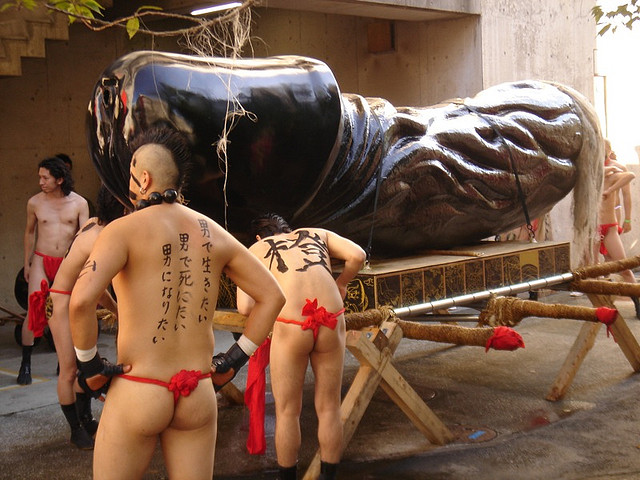
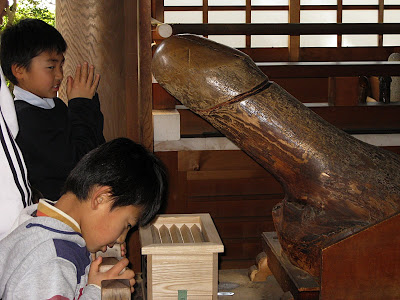
Ah yes, Japan. Where just the 3D software to make the above is considered obscene but Kanamara Matsuri is a treasured cultural tradition:
For more about the Shinto “Festival of the Steel Phallus” read here:
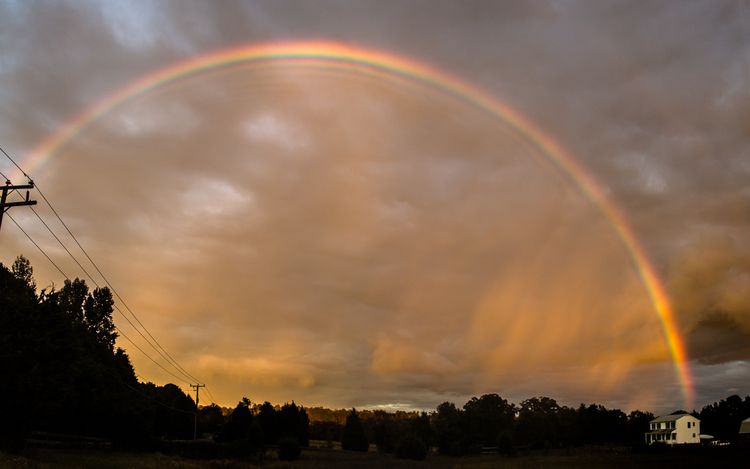
The panorama above features a wonderful example of supernumerary bows just beneath the upper reaches of this high arching rainbow. It was taken from Richmond, Virginia, late in the day on October 16, 2014. Tiny water drops are responsible for forming these supernumeraries, unlike the larger drops that give the primary and secondary rainbows their color.
Sunlight is diffracted by the minute droplets in such a way to produce waves of constructive (colors) and destructive (darkened regions) interference. Because the supernumeraries shown here are so clearly visible, the droplets forming them must be of nearly uniform size.
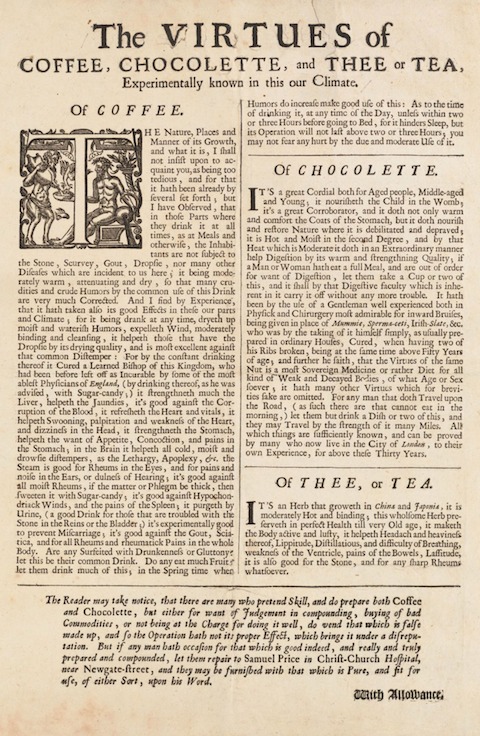
In this 1690 broadside advertisement, London merchant Samuel Price deployed rumor and vivid anecdote to advance the medical case for drinking coffee, chocolette, and thee or tea. Forty years after the opening of the first coffeehouses in London, Price, who had “really and truly prepared and compoundedcoffee and chocolette” for sale, circulated this text that argued that people should drink these beverages at home, and often.






























 Stannous Flouride's Book of Truthiness