

Adios, my friends
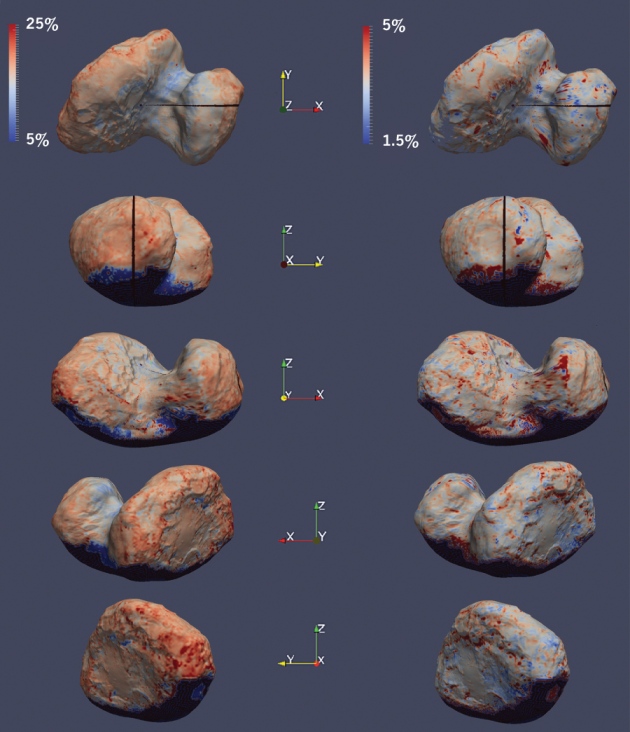
The material that sublimates into space to form the coma, measured by the Rosetta Orbiter Spectrometer for Ion and Neutral Analysis (ROSINA), shows different levels of water, carbon monoxide and carbon dioxide. This “>map shows how the ratio of carbon dioxide to water varied across the surface from 17 August to 22 September 2014. The composition also seems to vary over the 12.4-hour rotation period and with the season.
Charting Gravity
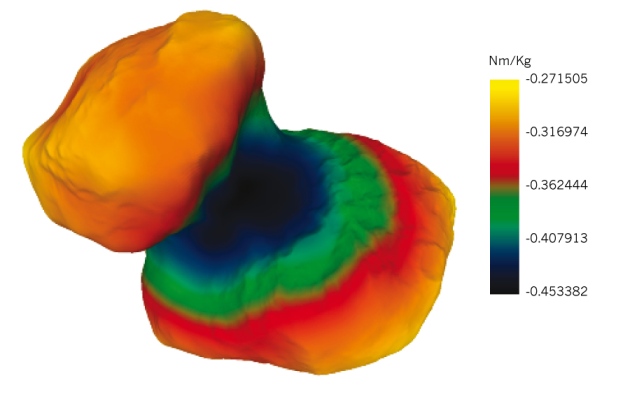
Using data from the Optical, Spectroscopic, and Infrared Remote Imaging System (OSIRIS) and the Radio Science Investigation instrument, the Rosetta mission team calculated the comet’s gravitational field1. The gravitational potential (pictured) also takes into account a pull caused by the comet’s rotation. The resulting force is greatest on top of the lobes, but it is about six times weaker in the neck region, where dust can lift off more easily. The team also used the data to calculate the comet’s density, finding that the body is relatively fluffy and porous — with a density of around half that of water, giving clues as to its structure and strength.
The Neck Riddle
Data from several instruments show that the comet’s neck is the source of most of its streaming gas and dust. To understand why the region is so active, the Rosetta team looked at how much thermal energy hits the surface per 12.4-hour rotation (left) and per 6.5-year solar orbit (right). The neck receives less energy from the Sun than the rest of the comet because it is shaded, but they found that a suntrap effect from radiation bouncing between opposite cliff walls goes some way towards compensating for that. Other possible reasons for the region’s high activity include its low gravitational pull, which means that little force is needed to blow dust away, and that the region might have a different composition than other regions, or have more ready access to water beneath the surface1. The team has still to answer whether the neck denotes a join between two comets or has been carved out of a single comet by erosion. Evidence of differences between the two lobes would indicate the former, but so far the two lobes seem to have very similar structures, says Sierks.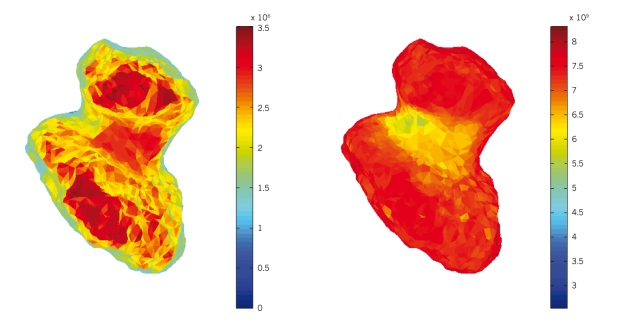
A Distant Origin
This visible and infrared portrait of 67P’s surface, obtained by the Visible and Infrared Thermal Imaging Spectrometer (VIRTIS), shows an abundance of opaque, organic compounds, but very little water ice. This would be consistent with an origin for the comet in the distant Kuiper belt — beyond the orbit of Neptune — rather than closer to Jupiter, as its current orbit would suggest.
Different Terrains
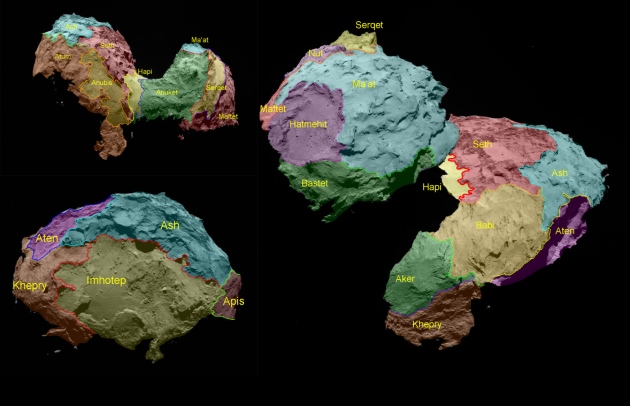
Images taken by the OSIRIS camera reveal vastly different kinds of terrain, including dunes, ripples and fractures. Rosetta scientists have split the comet into regions defined by surface structure (see false-colour image), with each named after an Egyptian god. Hatmehit, for example, is a smooth depression on the ‘head’ of the duck-shaped comet that could be a dust-filled impact crater. Other areas, such as Seth and Hathor, are rough with steep cliff-like structures. However, the porosity of the comet means that rock-like structures are in fact compacted dust. Many structures look as though they are formed by gas moving dust around the surface, say the authors, in the same way that wind shapes sand in a desert.






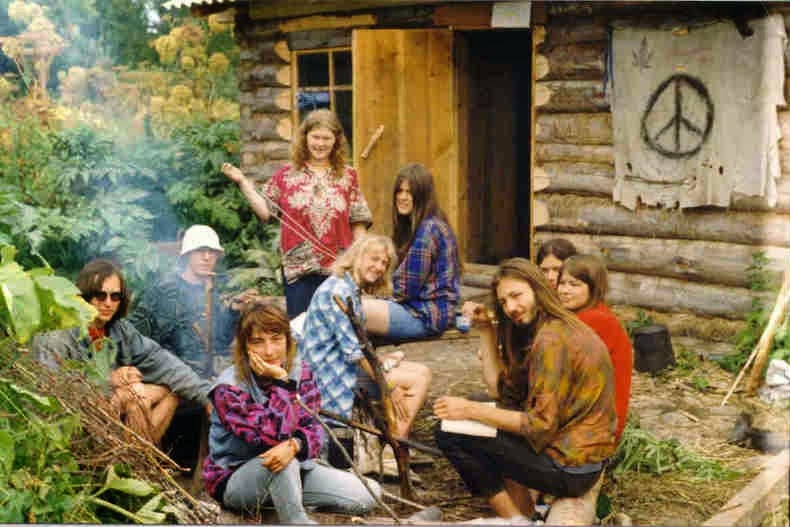


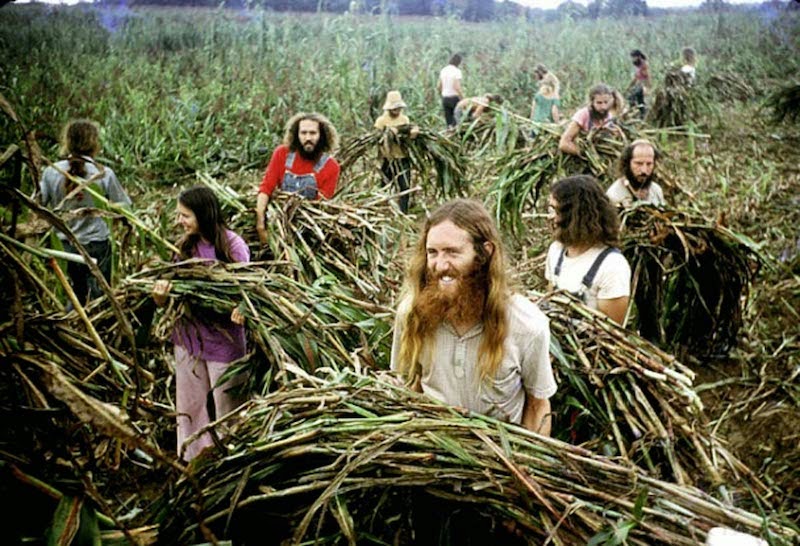
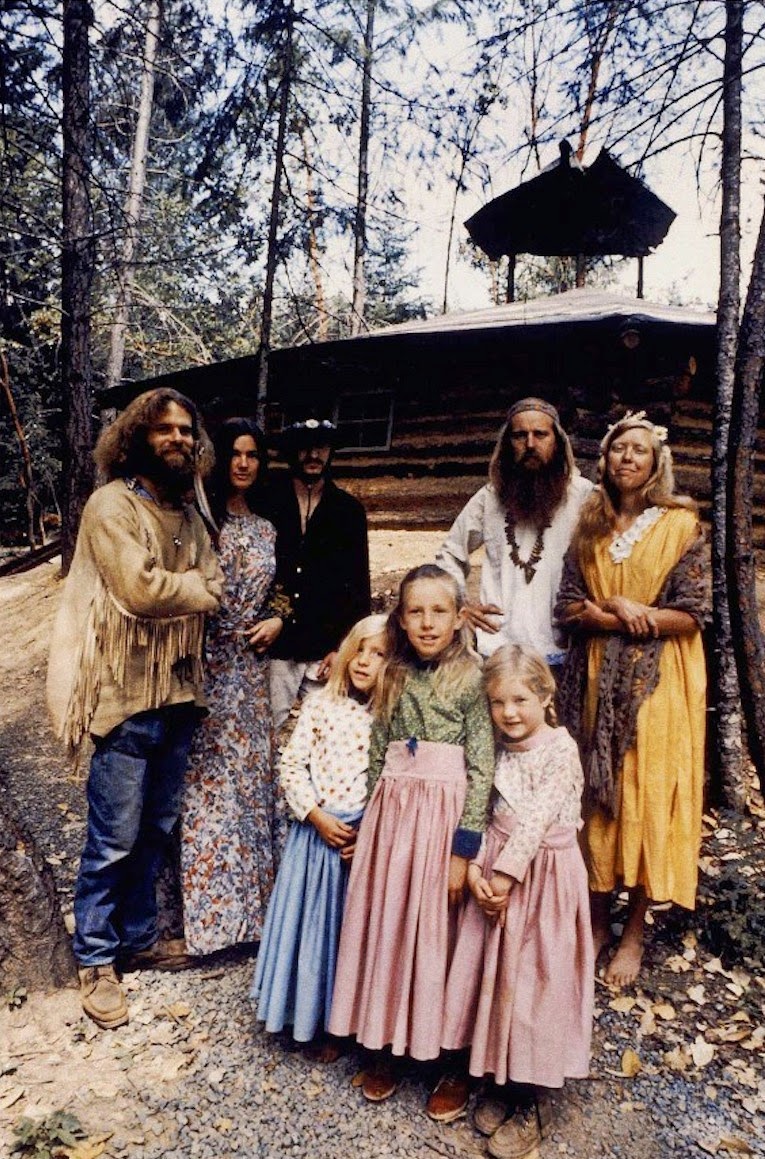
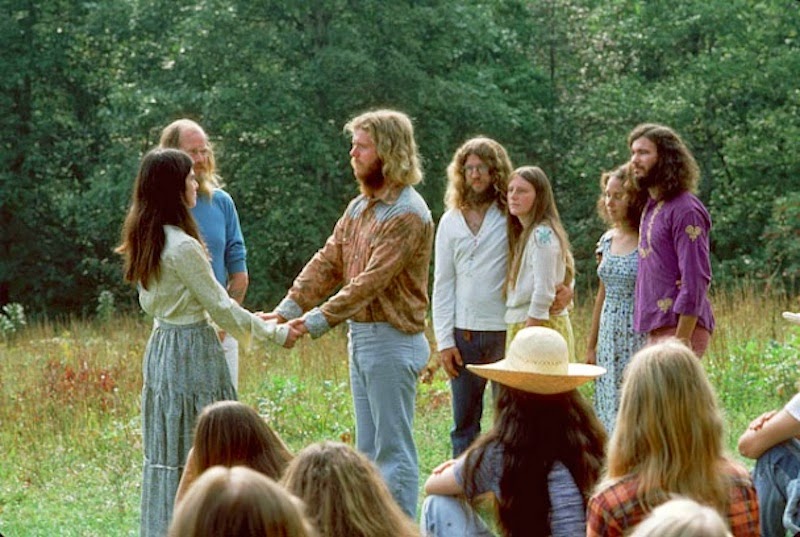

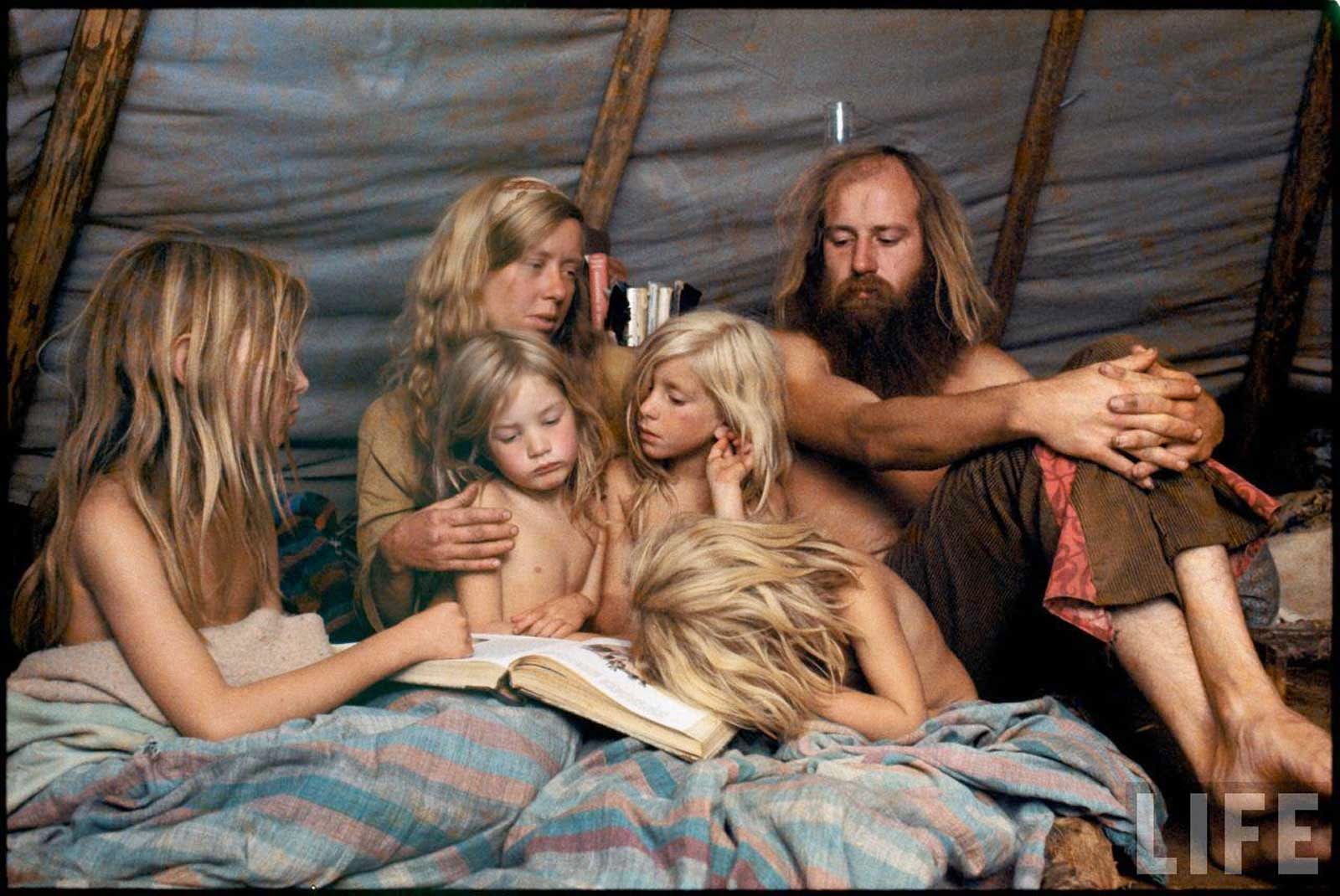
Their hair and dress, their pioneer spirit, even their Indian teepees evoke the nation’s frontier beginnings. These young people are members of a commune, which they have created for themselves as a new and radical way of living. Scores of these communes are springing up all across the U.S. In the wilderness areas of the West, Southwest, and New England, the new settlers build their own homes–adobe huts, log cabins, geodesic domes–share their money and labor and legislate their own laws and taboos.
The youthful pioneers, unlike the earlier Americans who went into the wilderness to seek their fortunes, are refugees from affluence. Though there have been previous such experiments in the U.S., the new communes represent an evolution of the philosophy and life-style of the hippie movement. Most members have fled the big cities—New York’s East Village, San Francisco’s Haight-Ashbury—where they were beset by crime, police harassment, squalor, and disillusionment. They seek in the land, and in one another, meaningful work, mutual love and spiritual rebirth. Their religion is rooted in many faiths—among them Christianity, Hinduism, and Zen Buddhism. Some communes permit LSD and marijuana, but many now discourage their use or even ban them. Some take a broad view of sexual morality, but in many communes couples practice traditional American monogamy, and sexual behavior is often surprisingly pristine. Young children, however, are raised by all the adults and by the older children of the commune, which itself is often referred to as “the Family.”
The entire article with captions for the above photos is here:
http://books.google.com/books?id=K08EAAAAMBAJ&pg=PA16-IA4&dq=%22The+Commune+Comes+to+America,%22+Life,+July+18,+1969&hl=en&ei=mD6vTP2WKYO8lQfk7d2DAw&sa=X&oi=book_result&ct=result&resnum=1&ved=0CCoQ6AEwAA#v=onepage&q=%22The%20Commune%20Comes%20to%20America%2C%22%20Life%2C%20July%2018%2C%201969&f=false
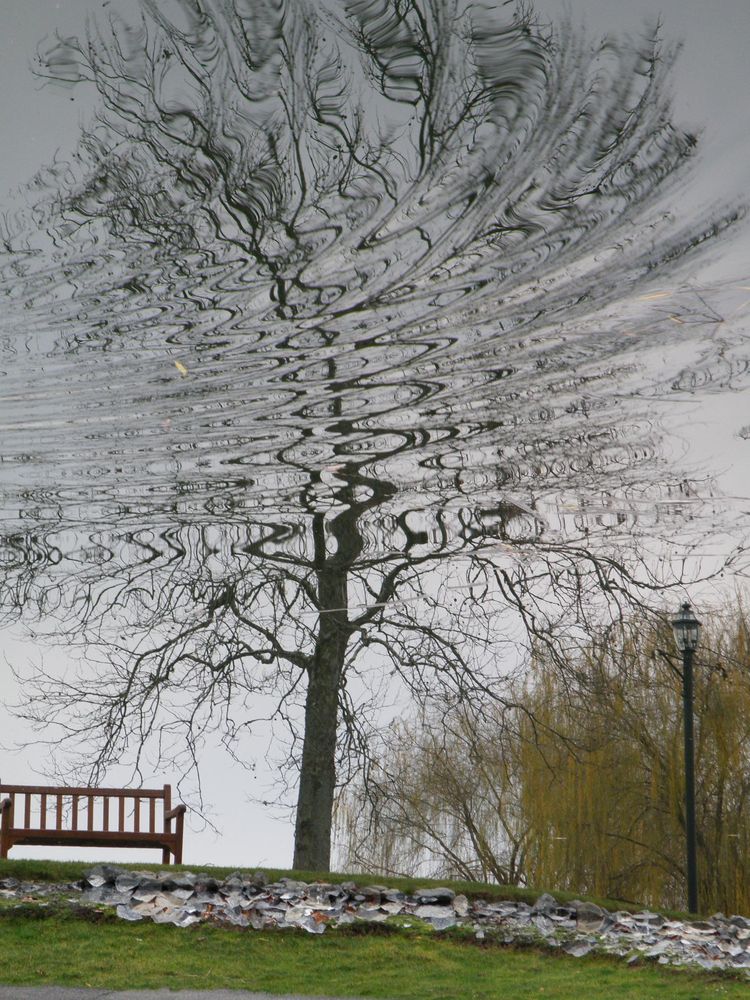
Photographer & Summary Author: John Adam; John’s Home Page
What is going on here? Has the space-time continuum been distorted by a pulse of gravitational waves from a nearby supernova? Well, not quite. Gravity waves (not gravitational waves) are responsible for the shimmer effect: surface gravity waves on the surface of the pond. But why is the distortion most pronounced near the top of the picture? By now you’ll have realized that you’re seeing the distorted reflection of a deciduous hardwood tree in that pond, and as the waves spread out radially, their “curvature” decreases, so the waves at the top of the photograph were in reality nearer to me as I took the picture. By the way, it was only after I photographed this scene that I noticed a sign “Please do not throw rocks in the pond!”
Click here to see the entire pond. Notice how the reflection of the cloudy sky is darker near the bottom than the sky itself – a consequence of the varying reflectivity of light at different angles of incidence on the pond. Photo taken in Lancaster, Pennsylvania on December 4, 2009.
Another amazing image from Astronomy Picture of the Day
I think it’s one of those sentient energy beings from Star Trek but scientists disagree.

Image Credit: X-ray: NASA/CXC/SAO; Optical: NASA/STScI; Radio: NSF/NRAO/AUI/VLAExplanation: Celebrating astronomy in this International Year of Light, the detailed image reveals spectacular active galaxy Cygnus A in light across the electromagnetic spectrum. Incorporating X-ray data ( blue) from the orbiting Chandra Observatory, Cygnus A is seen to be a prodigious source of high energy x-rays. But it is actually morefamous at the low energy end of the electromagnetic spectrum. One of the brightest celestial sources visible to radio telescopes, at 600 million light-years distant Cygnus Ais the closest powerful radio galaxy. Radio emission ( red) extends to either side along the same axis for nearly 300,000 light-years powered by jets of relativistic particles emanating from the galaxy’s central supermassive black hole. Hot spots likely mark the ends of the jets impacting surrounding cool, dense material. Confined to yellow hues, optical wavelength data of the galaxy from Hubble and the surrounding field in the Digital Sky Survey complete a remarkable multiwavelength view.
Another cool APoD:
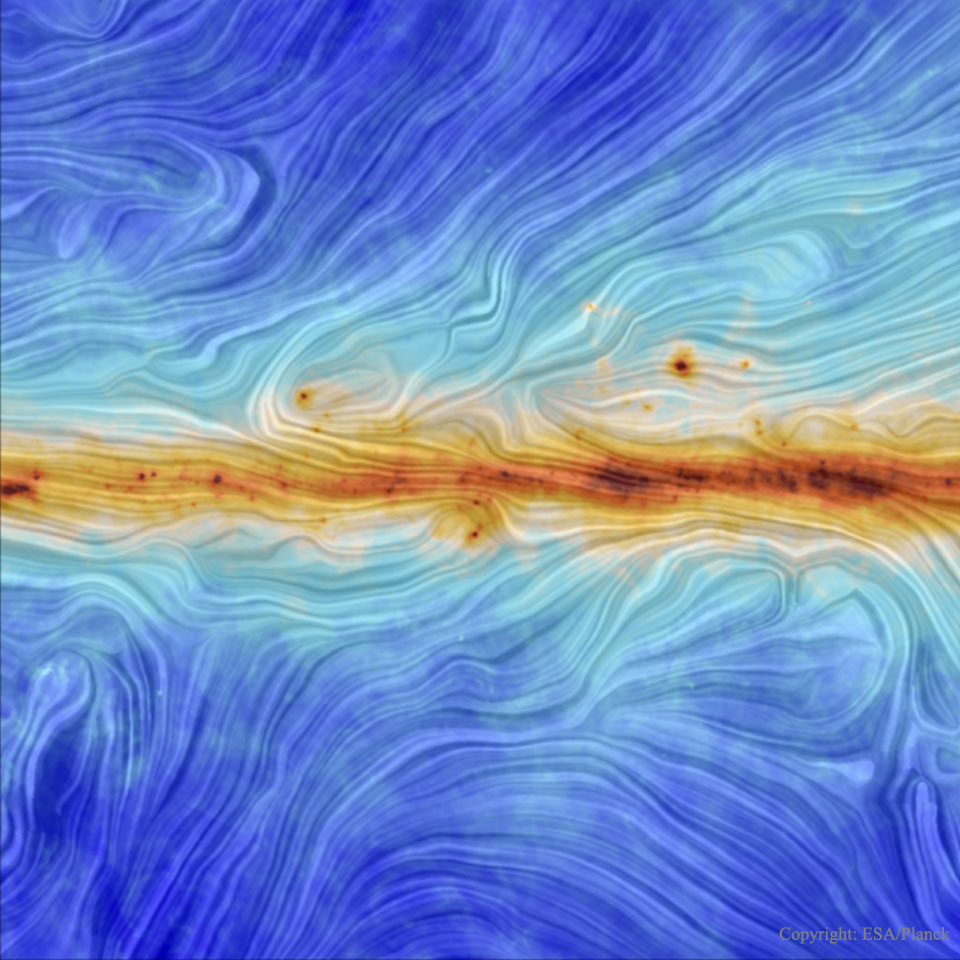
Image Credit: ESA/Planck; Acknowledgement: M.-A. Miville-Deschênes, CNRS – IAS, U. Paris-XIExplanation: What does the magnetic field of our Galaxy look like? It has long been known that a modest magnetic field pervades our Milky Way Galaxy because it is seen to align small dust grains that scatter background light. Only recently, however, has the Sun-orbiting Planck satellite made a high-resolution map of this field. Color coded, the 30-degree wide map confirms, among other things, that the Galaxy’s interstellar magnetism is strongest in the central disk. The rotation of charged gas around the Galactic center creates this magnetism, and it is hypothesized that viewed from the top, the Milky Way’s magnetic field would appear as a spiral swirling out from the center. What caused many of the details in this and similar Planck maps — and how magnetism in general affected our Galaxy’s evolution — will likely remain topics of research for years to come.
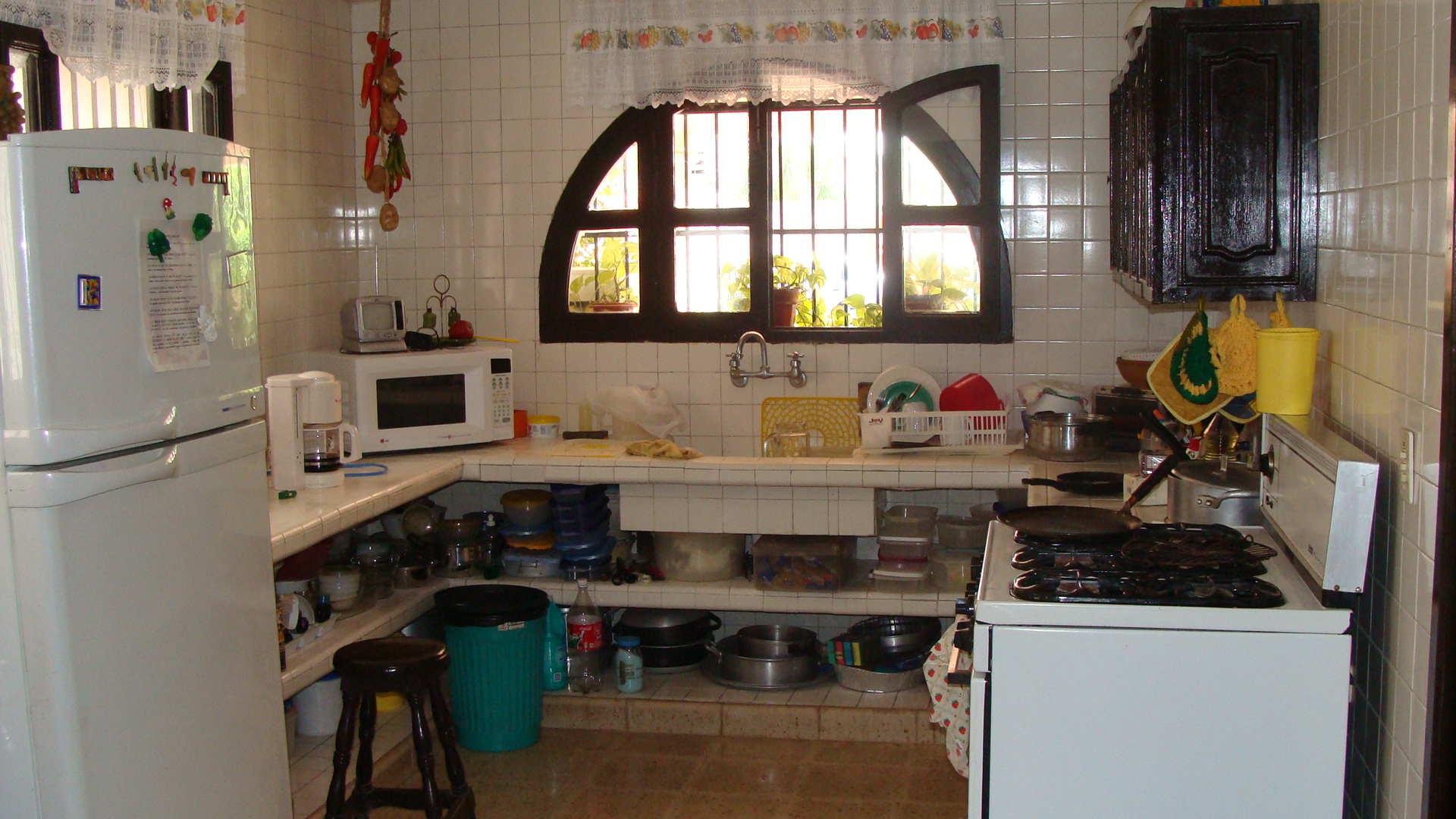
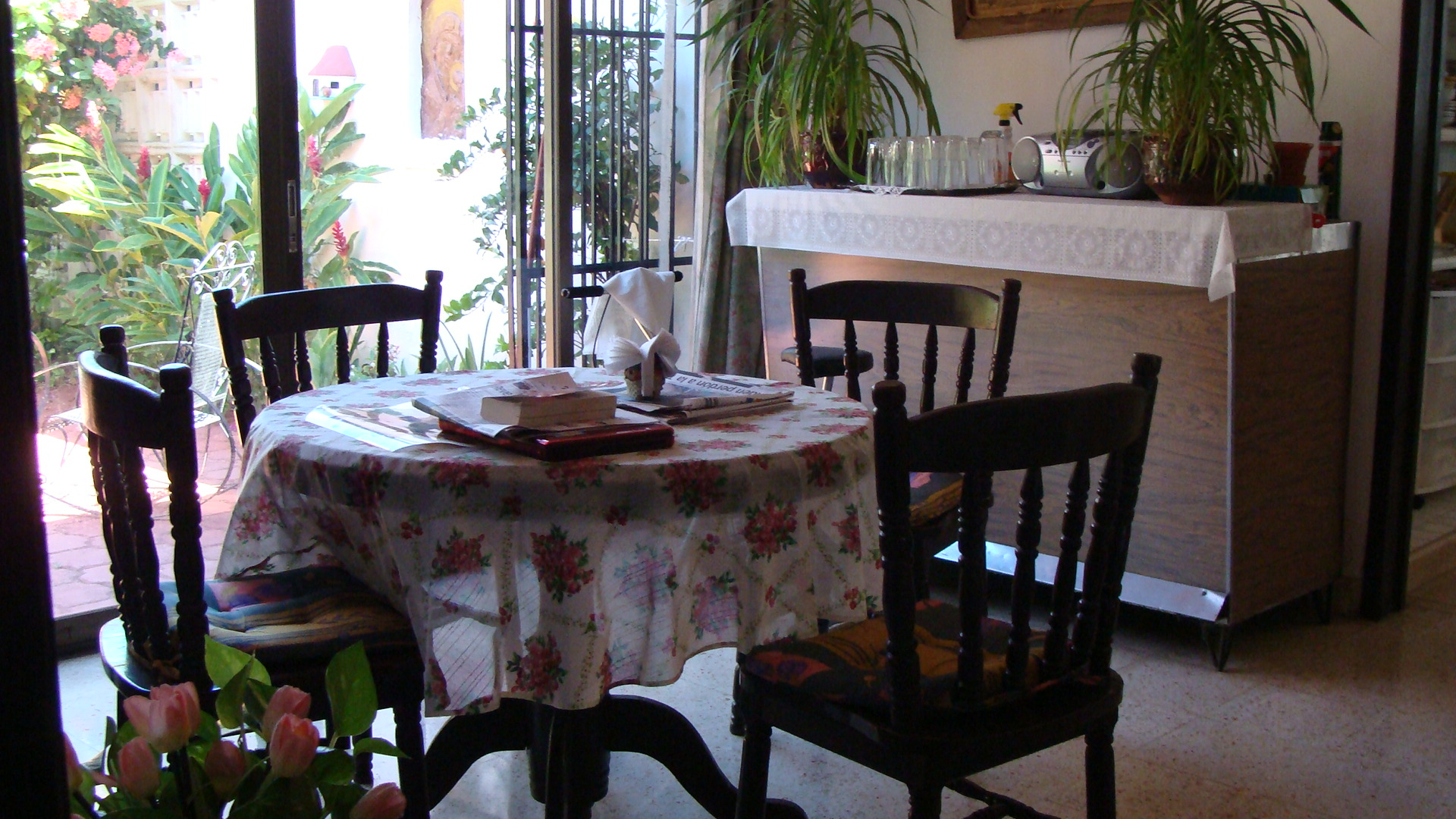
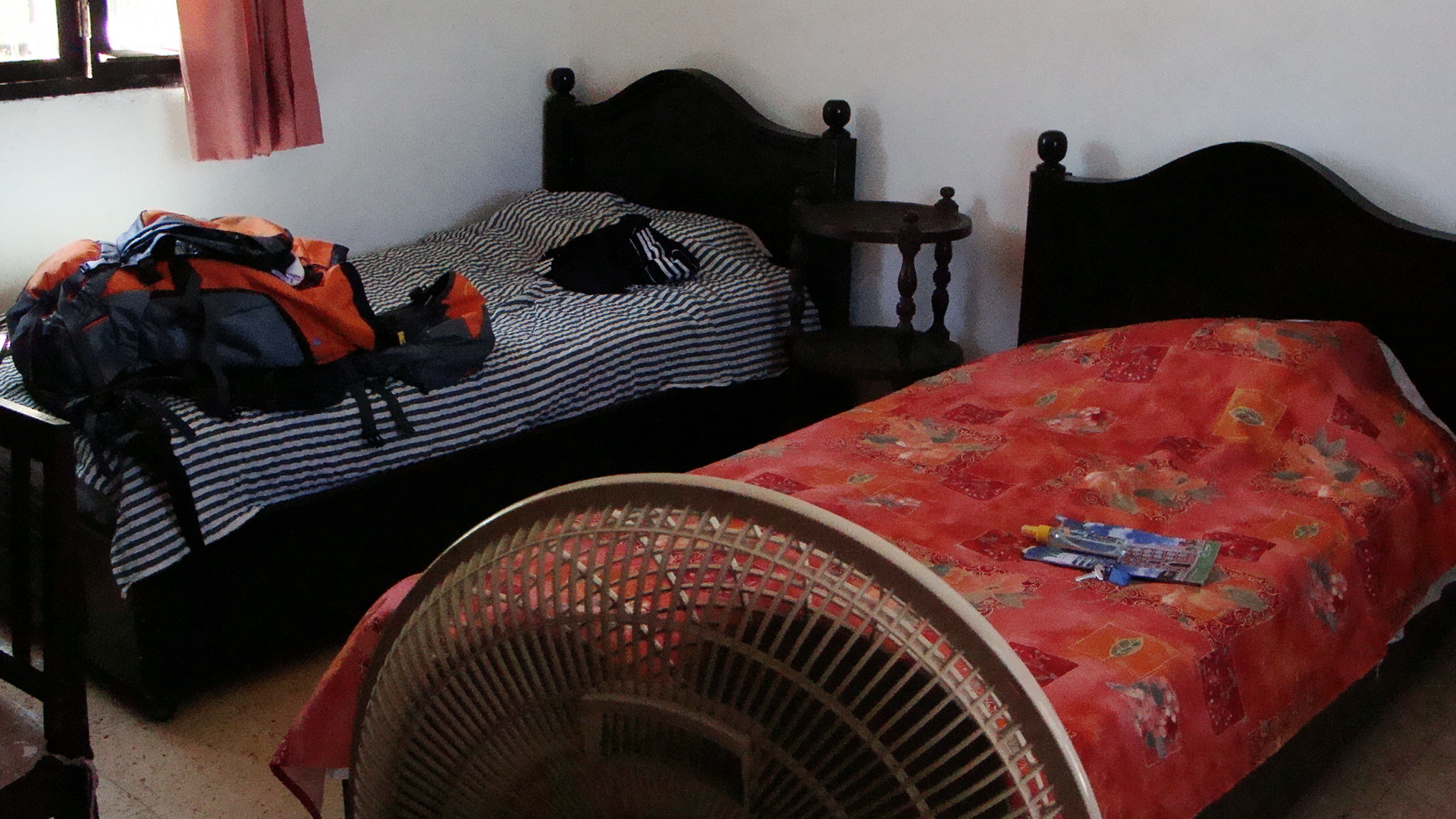
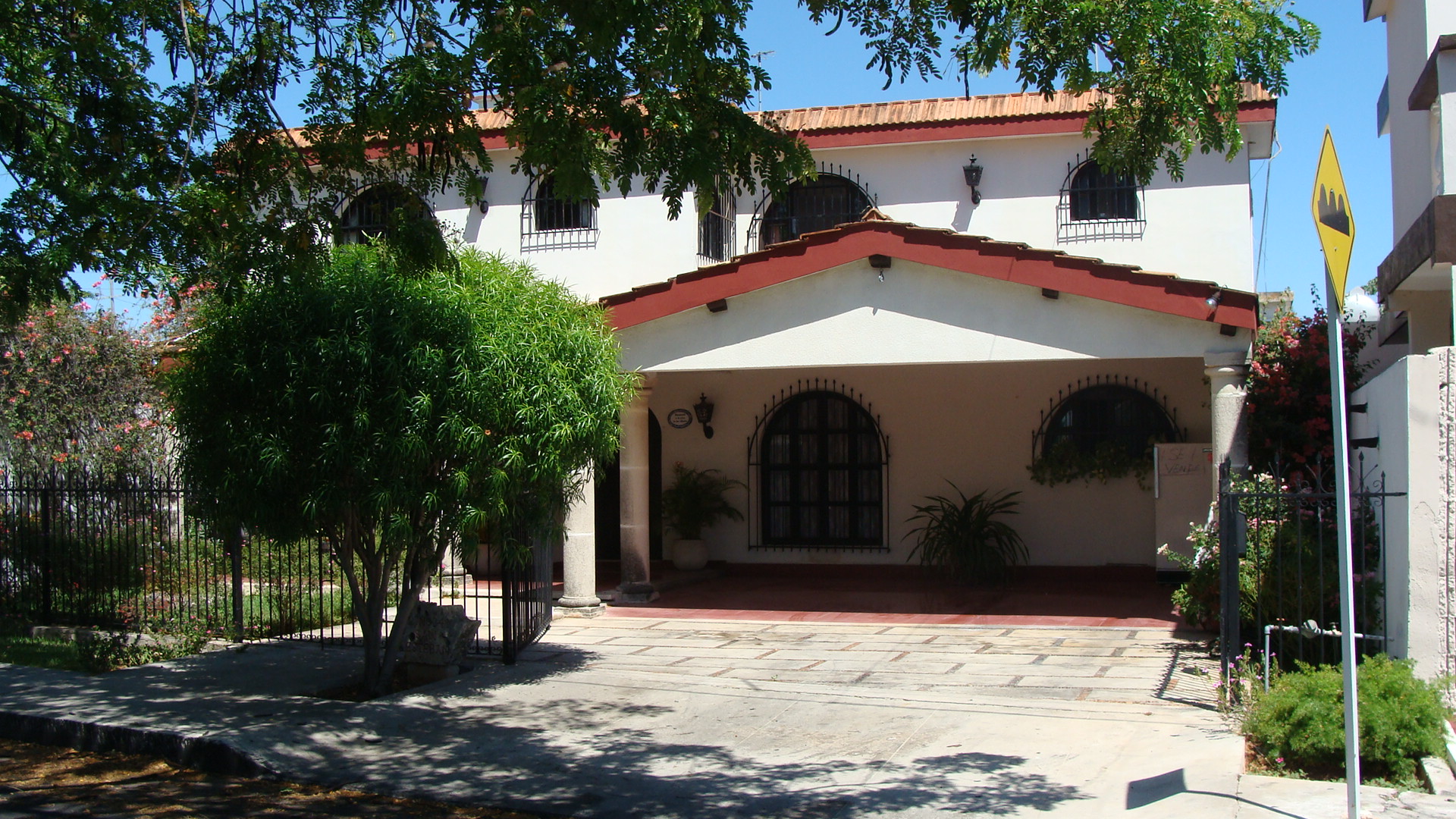
I found these photos taken by a previous guest of Neyda y Enriqué. He raved, as did several others, about the food and hospitality.

Bacteria that can eat sewer waste and produce electricity.

Bacteria that can create electrically conductive nanowires to transfer energy from one cell to another.
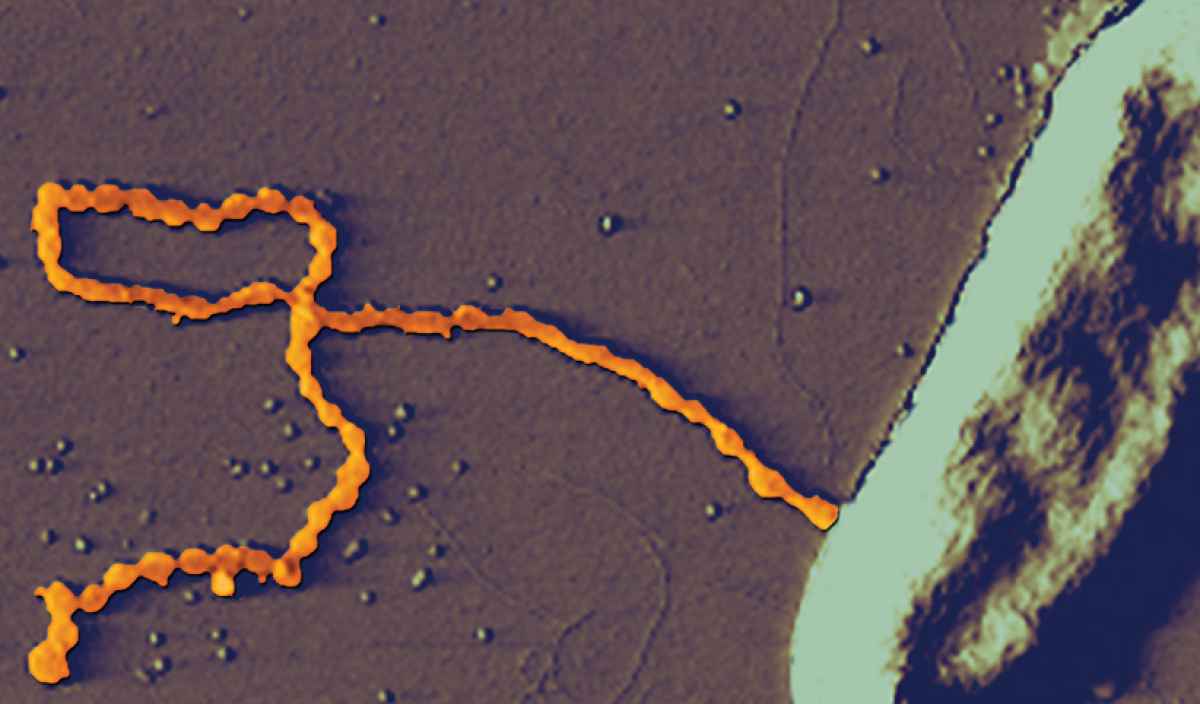
Bacteria that breathe metal or bacterial strains that can live on electrons alone.
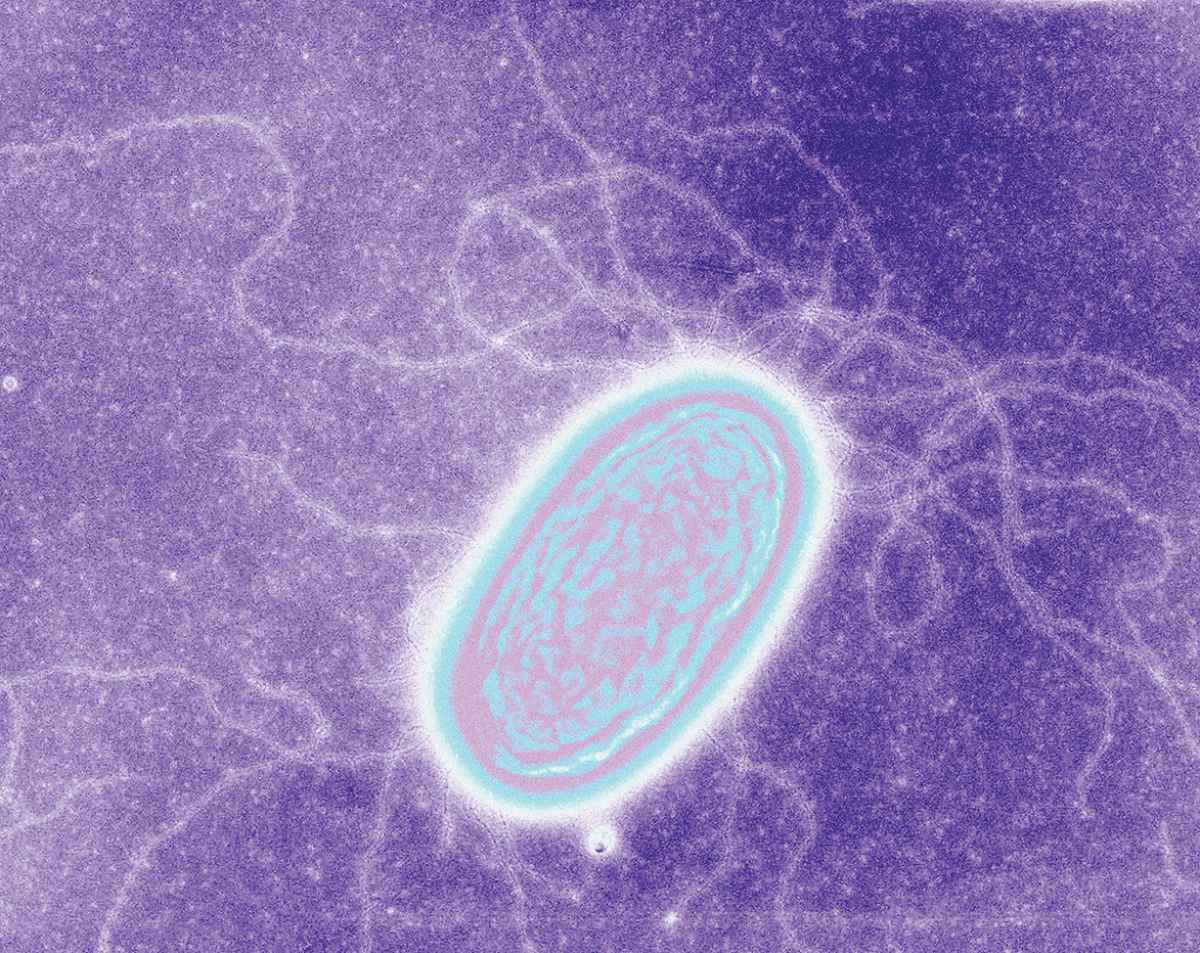
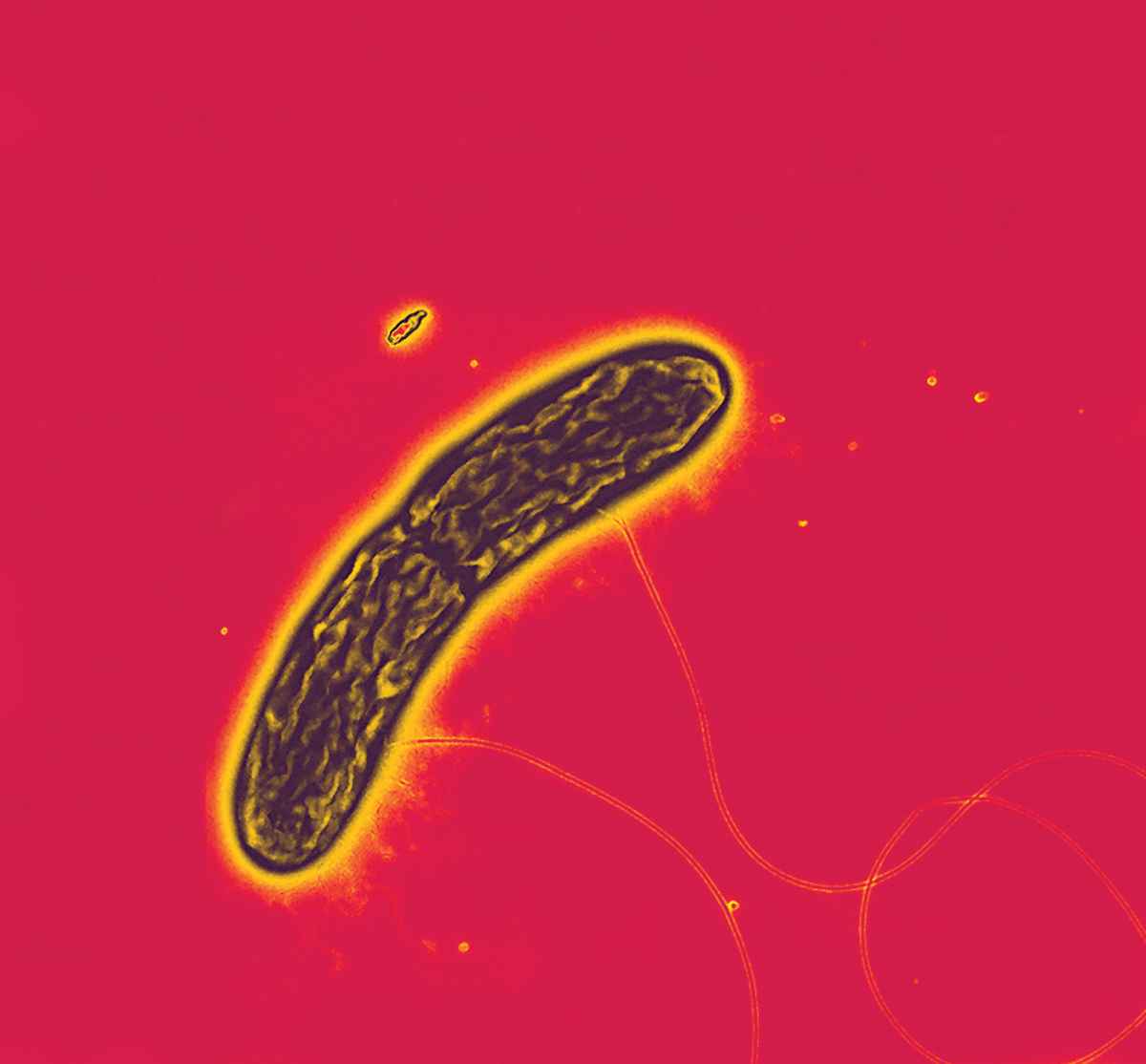
These are just a few of the recent discoveries that are examined in this astounding article in this month’s Popular Science.
It’s far too complex for me to explain with a few pulled quotes and illustrations so I recommend perusing it in its entirety it here:
http://www.popsci.com/have-we-found-alien-life
Via another one of the Pic of the Day sites I visit regularly, this one is from NASA’s Earth Observatory Picture of the Day.
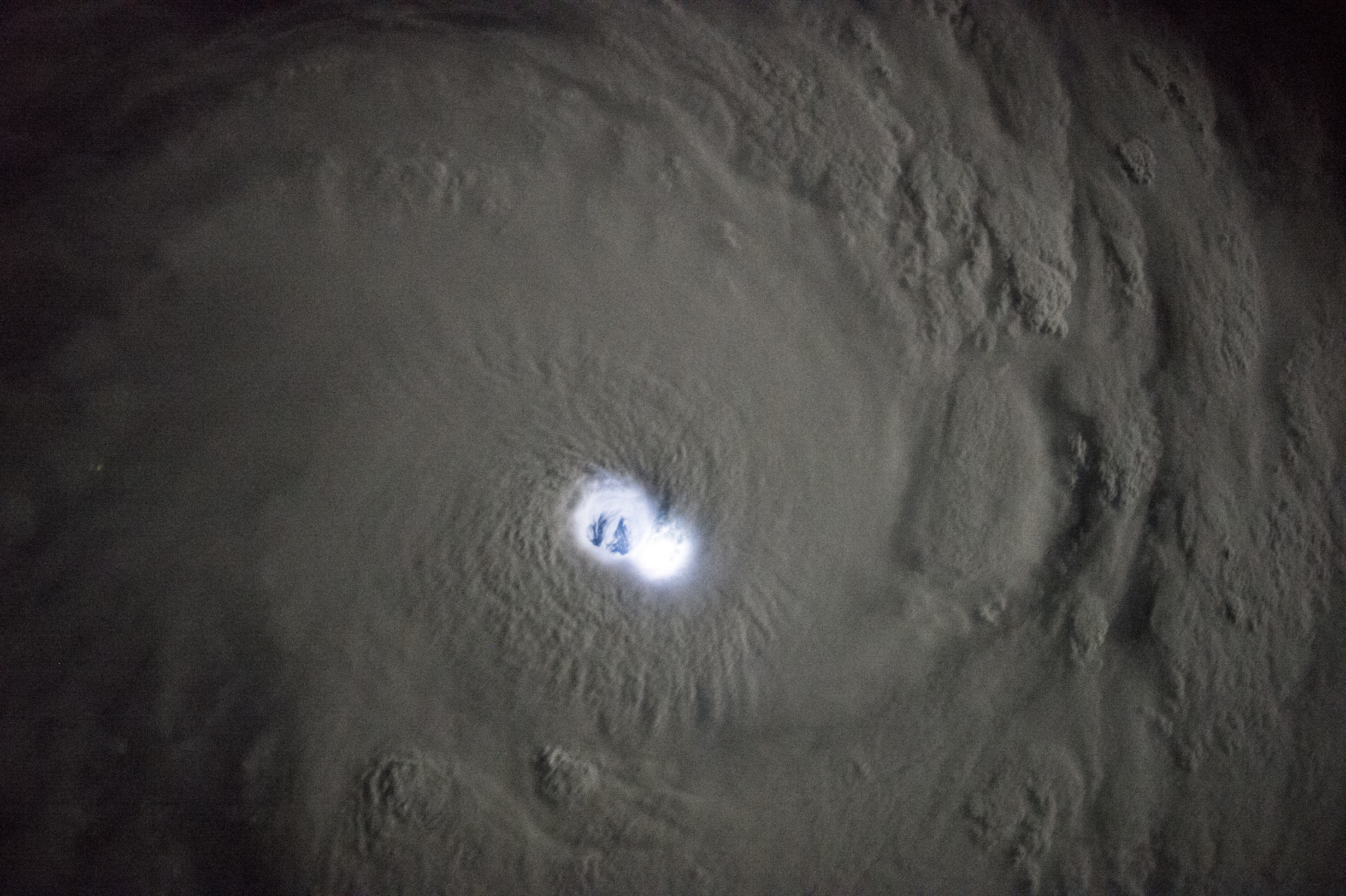
Explanation by William L. Stefanov, NASA-JSC:
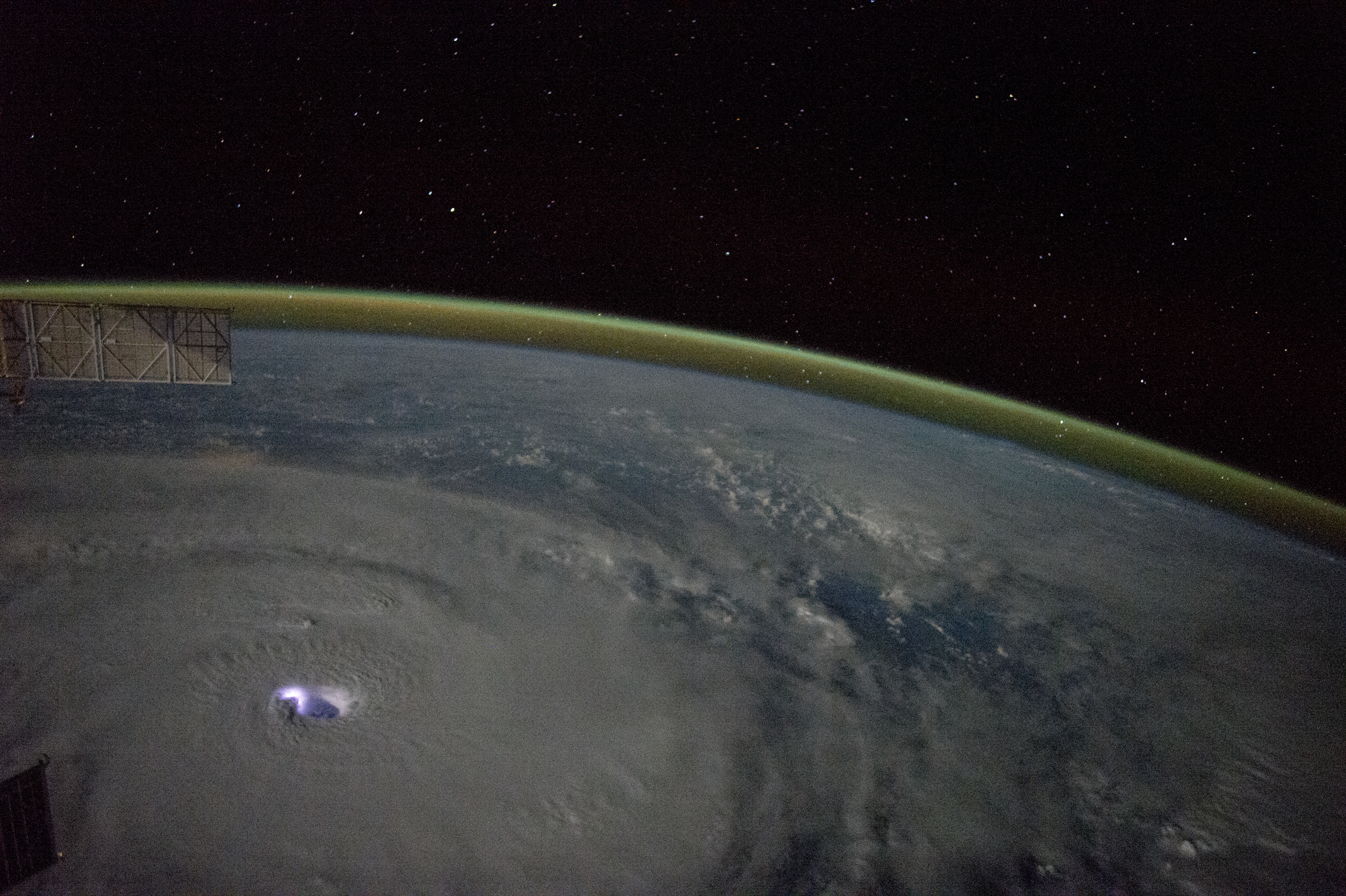
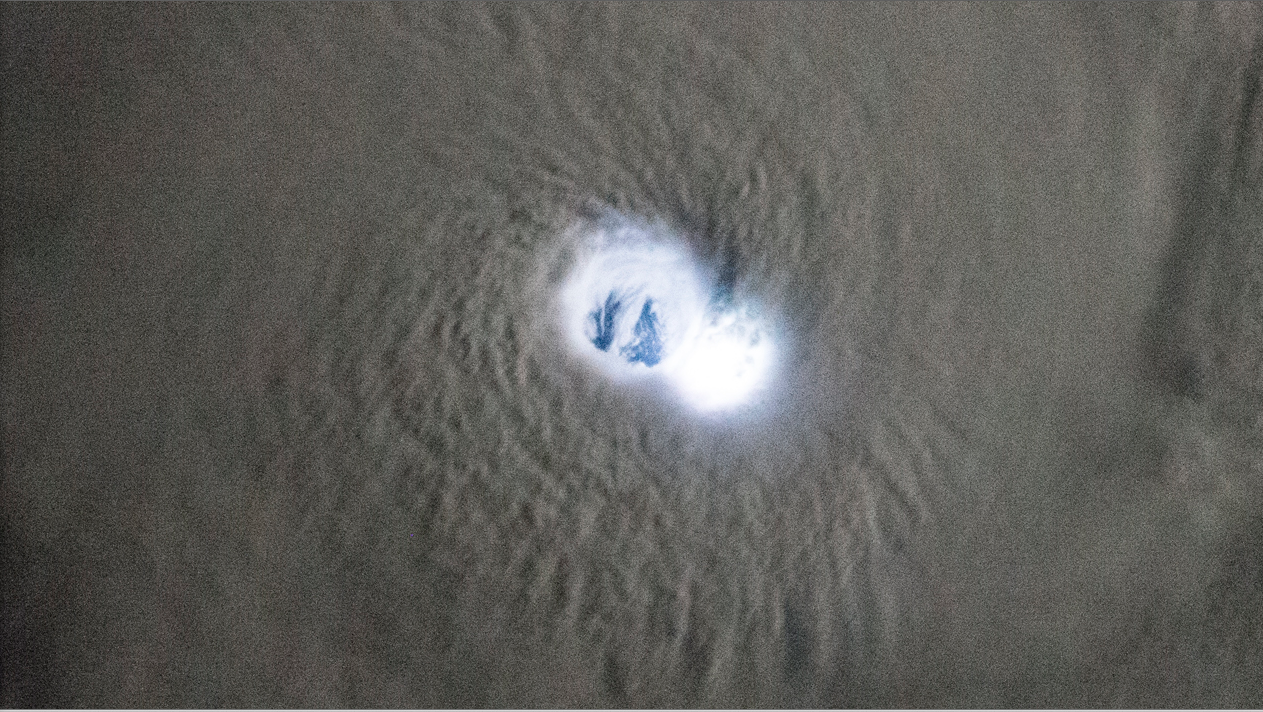
Though these images may look like they come from a science fiction movie, they are in fact photographs of tropical cyclone Bansi as seen at night by astronauts on the International Space Station (ISS). The images were taken when the ISS was east of Madagascar.
Bansi formed in the southwestern Indian Ocean on January 11, 2015. By the time this photo was taken on the following day, Bansi had achieved tropical cyclone strength, with sustained maximum winds over 185 kilometers (115 miles) per hour. The cyclone would reach category 4 strength before becoming a weak extra-tropical system on January 19.
The dim swirl of the cloud bands covers the ocean surface in both night images. The eye of the cyclone is brilliantly lit by lightning in or near the eye wall. The low-light settings of the camera used to take the image accentuate the contrast.
In the top image, the camera also accentuates the yellow-green airglowabove the Earth’s limb, an atmospheric phenomenon frequently seen by astronauts. Stars appear above the airglow layer, and the solar panels of a docked Russian spacecraft jut into the image (upper left).

Video Credit: SOHO Consortium, EIT, ESA, NASA
Explanation: Ten Earths could easily fit in the “claw” of this seemingly solar monster. The monster, actually a huge eruptive prominence, is seen moving out from our Sun in this condensed half-hour time-lapse sequence. This large prominence, though, is significant not only for its size, but its shape. The twisted figure eight shape indicates that a complex magnetic field threads through the emerging solar particles. Differential rotation of gas just inside the surface of the Sun might help account for the surface explosion. The five frame sequence was taken in early 2000 by the Sun-orbiting SOHO satellite. Although large prominences and energetic Coronal Mass Ejections (CMEs) are relatively rare, they are again occurring more frequently now that we are near the Solar Maximum, a time of peak sunspot and solar activity in the eleven-year solar cycle.
 The Truthiness Shall Set You Freak
 Stannous Flouride's Book of Truthiness