
Comet ISON gets eaten by the sun in the coolest video you’ll see today.
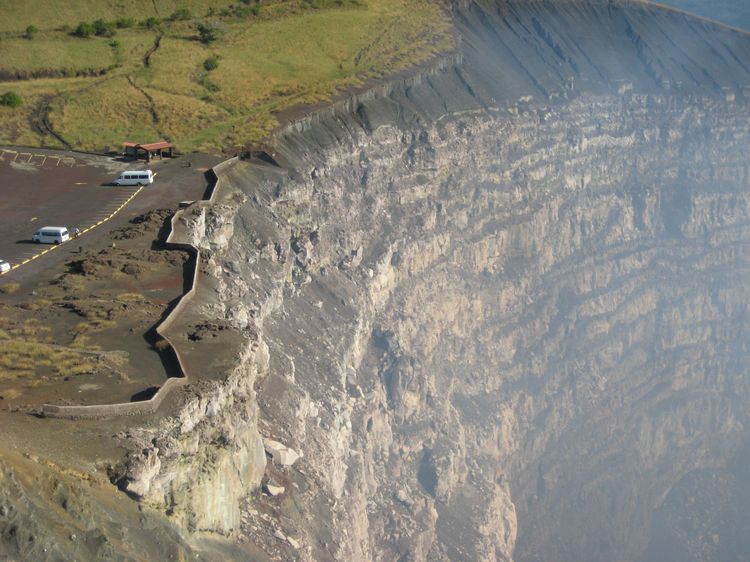
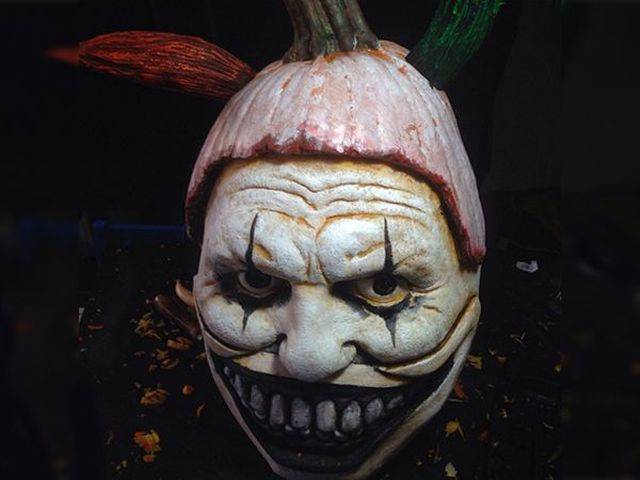
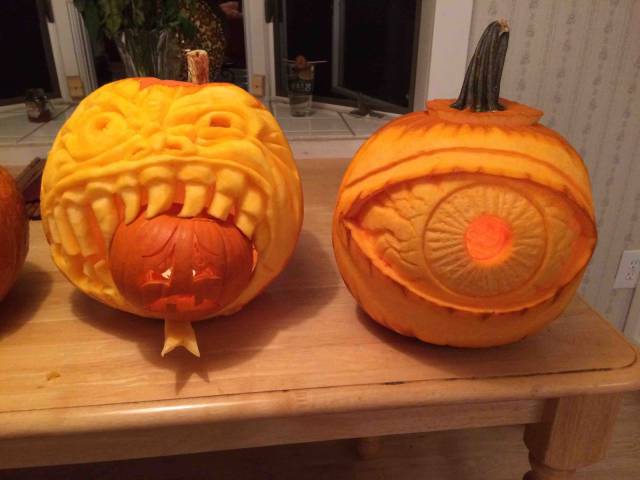
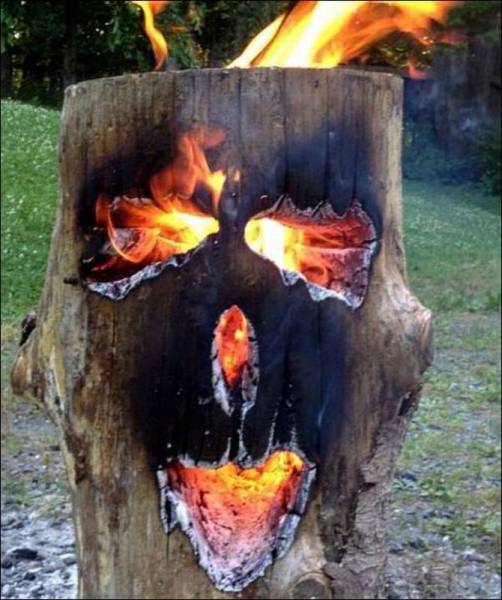
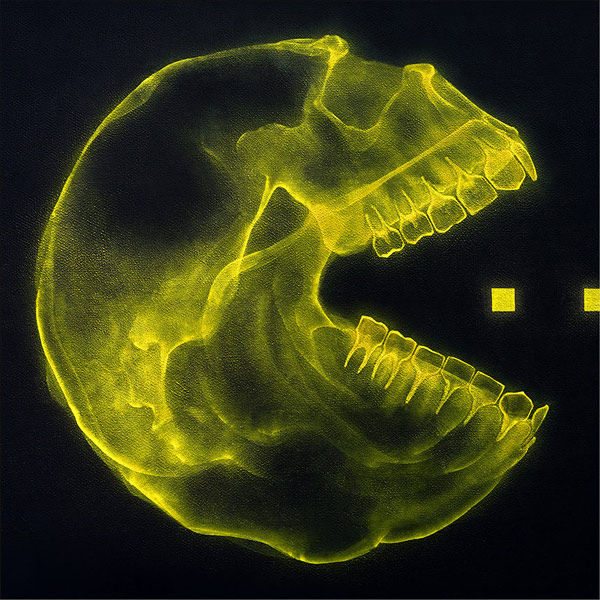
And while you’re awed by that, check out the Mouth of Hell.
Comet ISON gets eaten by the sun in the coolest video you’ll see today.
And while you’re awed by that, check out the Mouth of Hell.
After 17 ½ years I am leaving my part-time job at Roberts Hardware.


Saturday, Nov. 7th, (my 63rd birthday) will be my final scheduled day there.
It has been interesting and educational but I have been getting burned out and it’s time to go.
Our title story is that of Cody Denault,

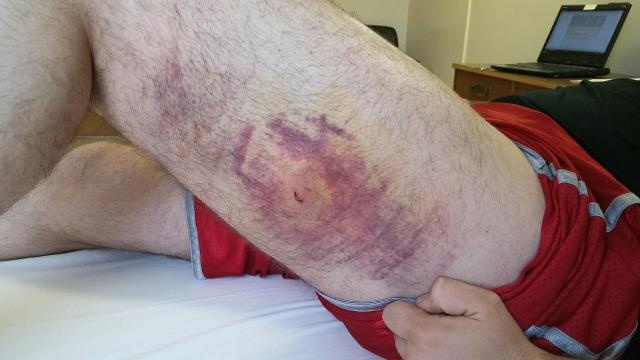

the “good guy” who brought his gun with him into the posted gun-free zone of the Starplex Cinema at the Central Mall in Salina, Kansas, because reasons. Cody is ex-military, you see, so he’s trained, and you can trust him … to make his own tourniquet. At least he was prepared with a sturdy belt, which is amazing in hindsight, given that he didn’t bother preparing so much when it came to buying a holster for his pocketed Smith & Wesson M&P Shield 9mm:

(The same gun Veronica Rutledge was carrying in her purse when her 2-year-old found it there and killed her with it in a Hayden, Idaho Walmart last December, by the way.)
Anyway, it was a foolish mistake, but Cody wants you to know that it’s not an indicator of his skill with guns. He’s totally awesome normally. So awesome, in fact, that he felt safe in ignoring the private property owner’s posted firearms restrictions, not bothering with a holster, keeping a round chambered, and blindly fidgeting with his gun in his pocket.
It’s just one of those unavoidable accidents that in so doing he accidentally both disengaged the safety and somehow activated the trigger.
There was no real way—other than obeying the law with respect to the weapons prohibition, buying a holster that would have shielded the trigger, or just resisting the urge to finger his weapon in the theater—to have prevented this. But at least he lived the dream and proved the theory: a good guy with a gun finally took out a theater shooter.
(via David Waldman/Daily Kos)

Her tenure as Chief Justice of the California Supreme Court (March 26, 1977 – January 5, 1987) was controversial. She was vigorously publicly attacked by her right-wing critics for her widely perceived personal opposition to the death penalty.

Astronomers initially thought the object was an asteroid when they spotted it in early October, and named it Asteroid 2015 TB145.
But using the US space agency’s Infrared Telescope Facility (IRTF) on Mauna Kea, Hawaii, experts “have determined that the celestial object is more than likely a dead comet that has shed its volatiles after numerous passes around the sun,” NASA’s Jet Propulsion Laboratory said in a statement late Friday.
Scientists have also spotted an eerie skull-like resemblance on the face of the rock, based on radar data from the National Science Foundation’s 305-meter (1,000-foot) Arecibo Observatory in Puerto Rico.
“In the Arecibo images it appears to have donned a skull costume for its Halloween flyby,” said Kelly Fast, IRTF program scientist at NASA and acting program manager for the US space agency’s Near-Earth Object Observations Program.
The space rock has already grabbed attention with its unusually high speed and big size, about as large as a football stadium at 2,000 feet (600 meters) in diameter.
There is no danger of it hitting Earth, however.
When it zips by Saturday at 1 pm (1700 GMT), it will do so at a distance of 302,000 miles (486,000 kilometers).
That’s about 1.3 times the distance between the Earth and the Moon.
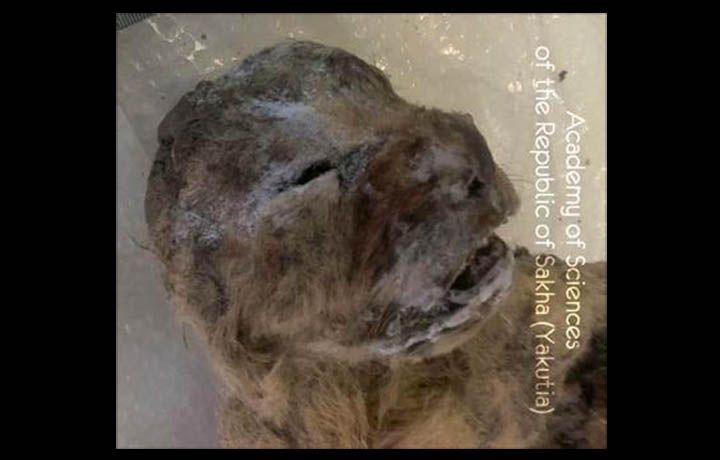
The unprecedented discovery of the ancient predator was made this summer in the Sakha Republic, also known as Yakutia. The cave lions were almost perfectly preserved in permafrost and could be much older.
The Siberian Times is proud to be working with the Academy of Sciences of Yakutia which will introduce the cubs properly at a presentation to the Russian and international media in late November.
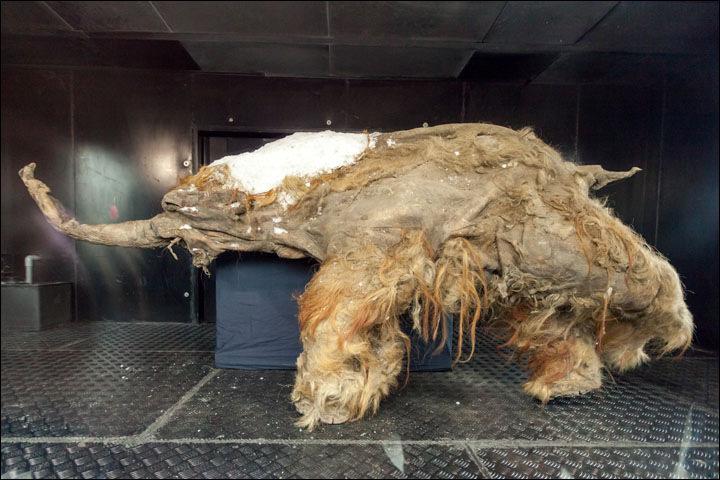
Along with the two lions, paleontologists will also show other Pleistocene animals preserved by ice in this vast region, the largest and coldest in the Russian Federation. Among these will be the famous woolly mammoth Yuka, the ‘Oimyakon’ mammoth, the carcass of a Kolyma woolly rhinoceros, and Yukagir bison and horses.
Interested media organisations are invited to use the contacts below if they wish to attend.
The cave lions – Panthera spelaea (Goldfuss) – lived during Middle and Late Pleistocene times on the Eurasian continent, from the British Isles to Chukotka in the extreme east of Russia, and they also roamed Alaska and northwestern Canada. The extinct creatures were close relatives of modern Afro-Asiatic lion.
Finds of their remains are rare: today’s announcement about the existence of the pair is coupled with the confident claim that they are best preserved ever unearthed in the world.
Full details will be given at the presentation in November, including the first results of research into the lions.
Previously, only fragments of carcasses, parts of skeletons and individual bones had been found. Until now, in Yakutia, only skulls, some teeth and bones were unearthed which has prevented scientists having more than an approximate image of the extinct creature.
Like other ancient animals, the cave lion became extinct: research on the two cubs could help to explain why they died out around 10,000 years ago, since the animal had few predators, was smaller than herbivores, and was not prone to getting bogged down in swamps, as did woolly mammoths and rhinos. One theory is a decline in deer and cave bears, their prey, caused their demise.
‘The find is sensational, no doubt,’ said a source close to the discovery. It is known the remains are free of dangerous infections such as anthrax following initial microbiological analysis, but no other significant details or pictures will be released before the presentation.
via Siberian Times
 The Truthiness Shall Set You Freak





































































 Stannous Flouride's Book of Truthiness