





























































































































































































































 The Truthiness Shall Set You Freak
- New flying reptile species was one of largest ever flying animals
- Fancy & freaky fucking footwear!
- My Building Museum
- Haight Ashbury Street Fair Posters
- For Sale: 1939 Porsche Type 64
- Scored a Righteous T @ Haight Ashbury Today
- San Francisco MUNI in the 1970s
- TAKE LSD AND SEE 💡
- An Ex-Army Medic’s Collection
- Astronomers Make Massive Discovery on the Far Side of the Moon | Smithsonian
Landing on a Dirty Snowball
Descent to a Comet
Image Credit: ESA/Rosetta/Philae/ROLIS
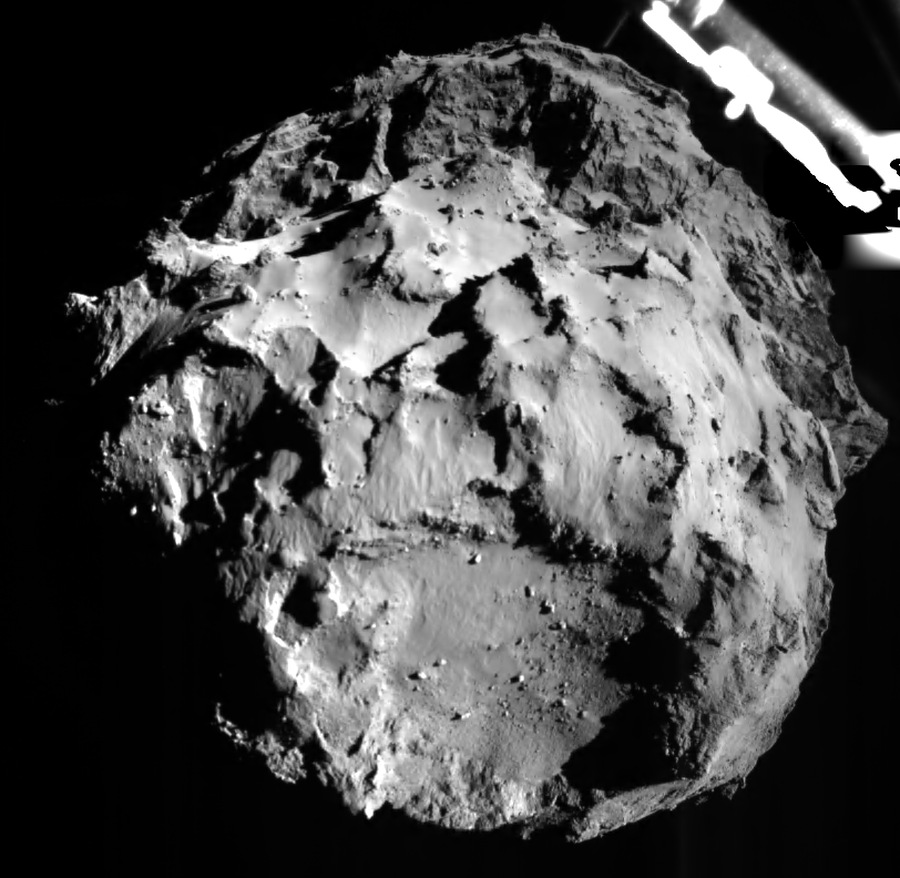
Yesterday, the first soft landing on a comet took place some 500 million kilometers from planet Earth as the Rosetta mission lander Philae settled on the nucleus of C67/P Churyumov-Gerasimenko. The landing site, dubbed Agilkia, is located near the center of this remarkable image snapped by Philae’s ROLIS (ROsetta Lander Imaging System) camera. Taken from a distance of about 3 kilometers the image has a resolution of about 3 meters per pixel at the surface. After Philae’s release from the orbiter, its seven-hour long descent was made without propulsion or guidance. Following its descent the lander is in place, though its anchoring harpoon system did not fire. For 2.5 days the lander is intended to conduct its main science mission returning extensive images and data. An extended surface mission may be possible if sunlight and dust conditions allow solar panels to recharge Philae’s battery.
Posted in Uncategorized
Leave a comment
ESA Robot Philae Attempts Comet Nucleus Landing Today
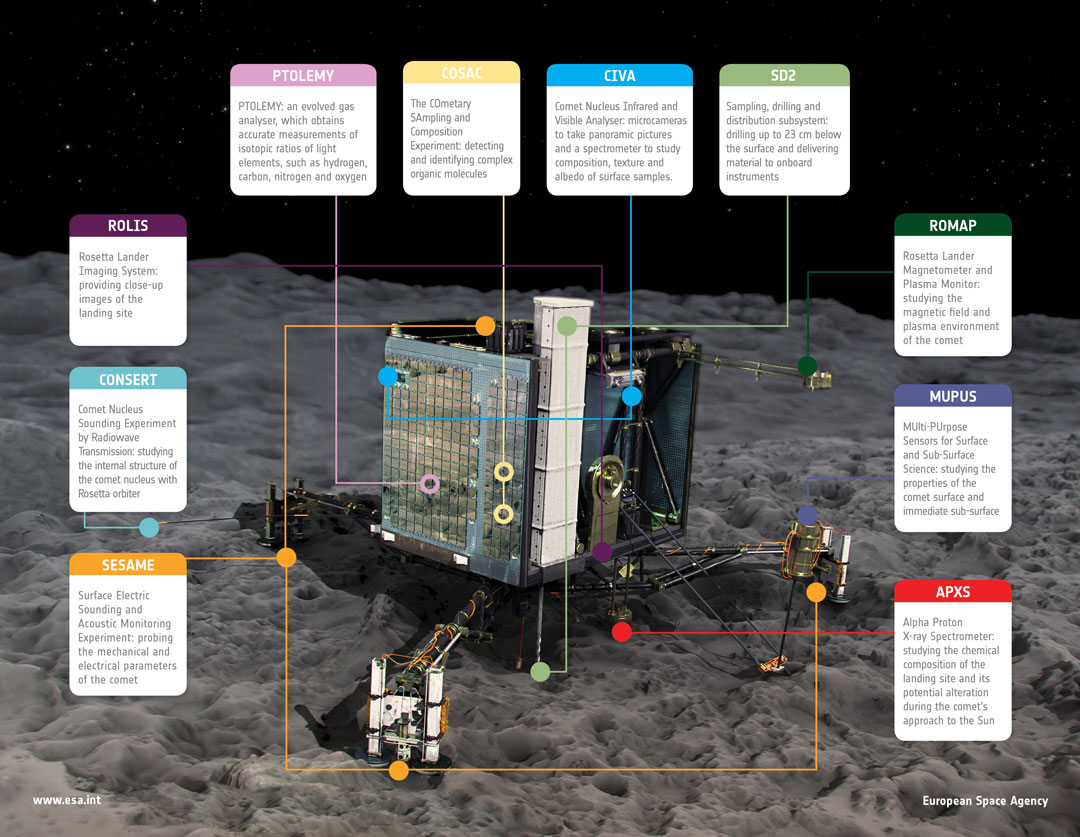 Today humanity will make its first attempt to land a probe on the nucleus of a comet. As the day progresses, the Philae (fee-LAY) lander will separate from the Rosetta spacecraft and head down to the surface of Comet 67P/Churyumov–Gerasimenko. Since the texture of the comet’s surface is unknown and its surface gravity is surely low, Philae will then attempt to harpoon itself down, something that has never been done before. Featured here is an artist’s illustration of dishwasher-sized Philae as it might look on Comet Churyumov–Gerasimenko‘s surface, along with explanation balloons detailing onboard scientific instruments. Many people on a blue planet across the Solar System will be eagerly awaiting news and updates. Whether Philae actually lands, whether it lands on a smooth patch, whether the harpoons take hold, and how far the robotic lander sinks into the surface should all become known as events unfold today.
Posted in Uncategorized
Leave a comment
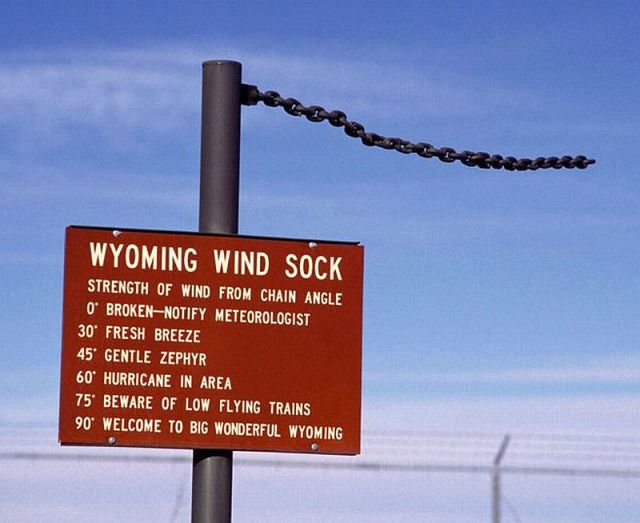
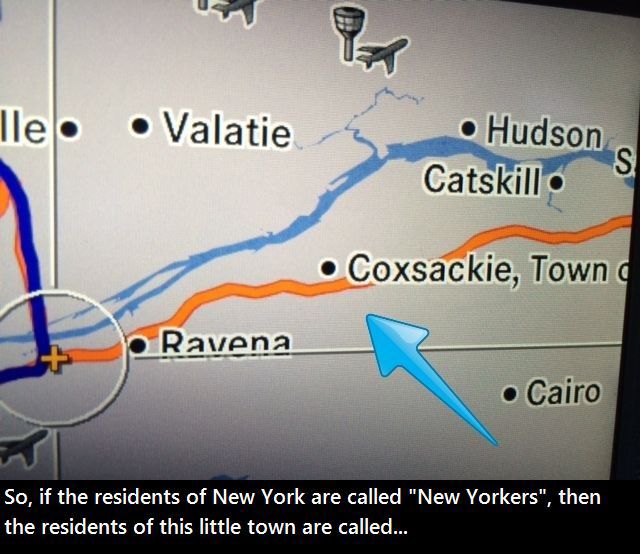
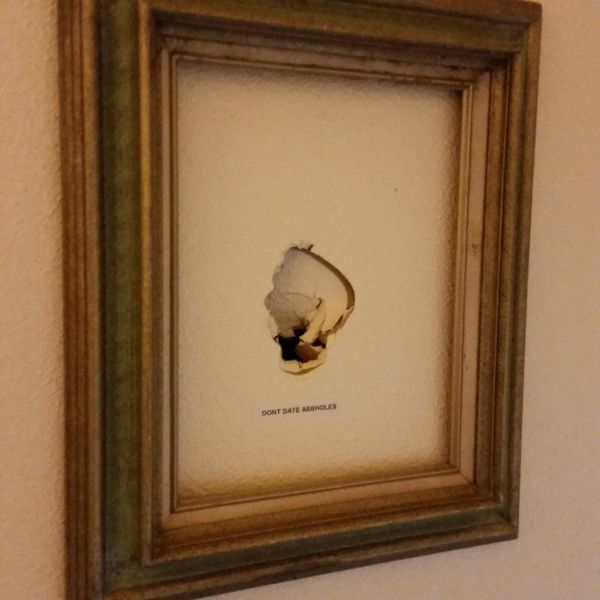
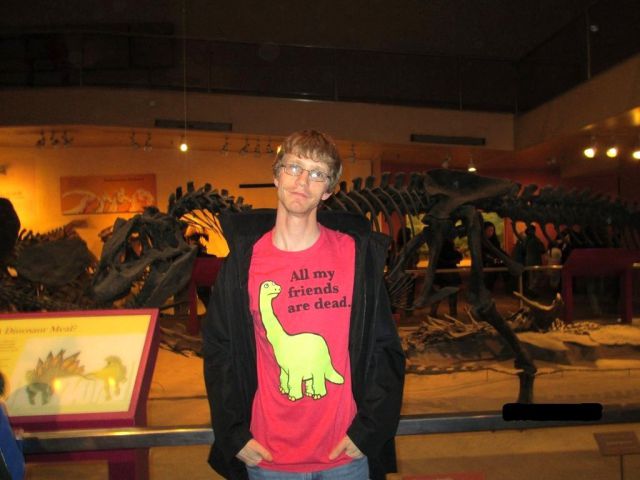
More Word Play

I’d pay good money to see a parasailing horse!







































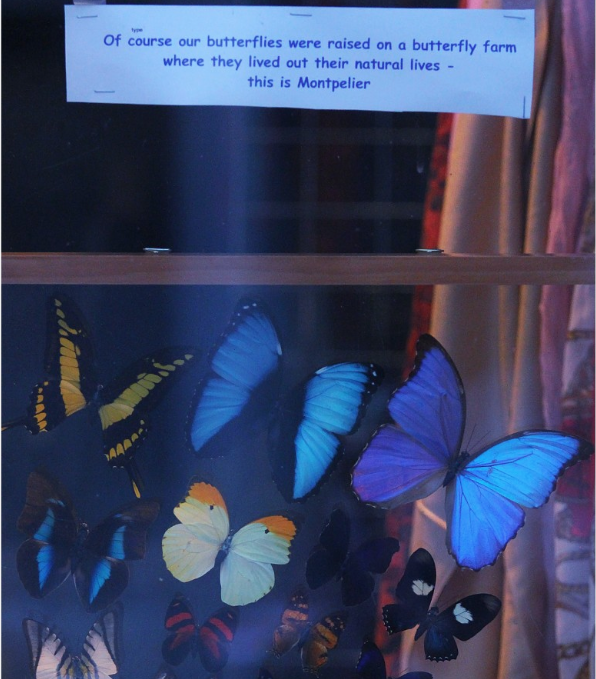

Posted in Uncategorized
Leave a comment
Amazon Warriors Did Indeed Fight and Die Like Men
The Amazons got a bum rap in antiquity. They wore trousers. They smoked pot, covered their skin with tattoos, rode horses, and fought as hard as the guys.
Legends sprang up like weeds. They cut off their breasts to fire their bows better! They mutilated or killed their boy children! Modern (mostly male) scholars continued the confabulations. The Amazons were hard-core feminists. Man haters. Delinquent mothers. Lesbians.
Drawing on a wealth of textual, artistic, and archaeological evidence, Adrienne Mayor, author of The Amazons, dispels these myths and takes us inside the truly wild and wonderful world of these ancient warrior women.

An 1882 print shows an Amazon, perhaps Penthesilea, Queen of the Amazons, about to spear a panther.
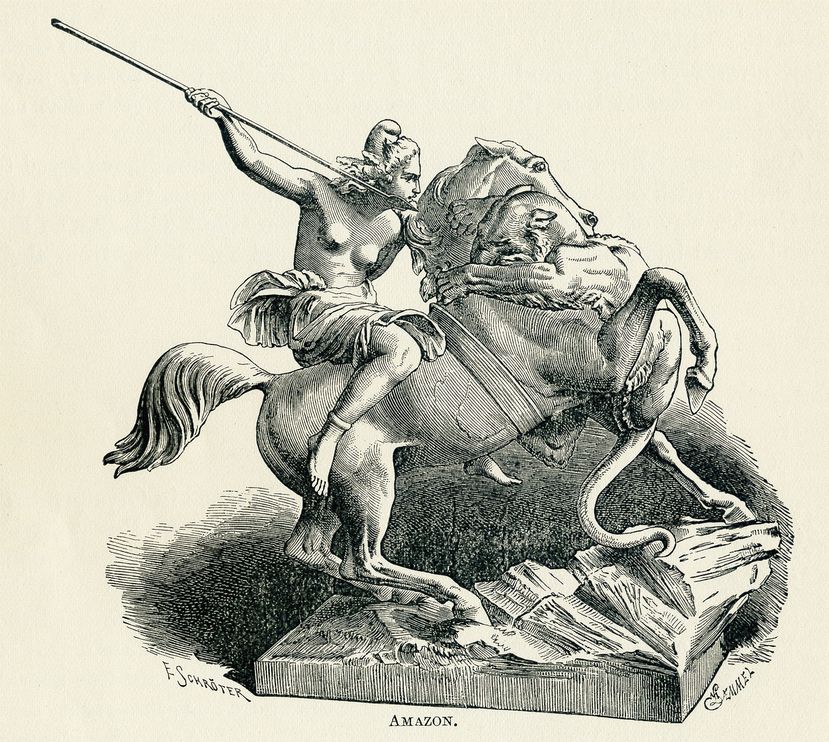
An 1882 print shows an Amazon, perhaps Penthesilea, Queen of the Amazons, about to spear a panther.
Posted in Uncategorized
Leave a comment
Cat genome reveals clues to domestication
Cats and humans have shared the same households for at least 9,000 years, but we still know very little about how our feline friends became domesticated. An analysis of the cat genome reveals some surprising clues.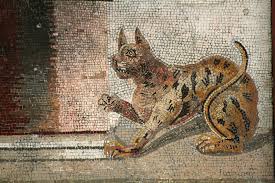
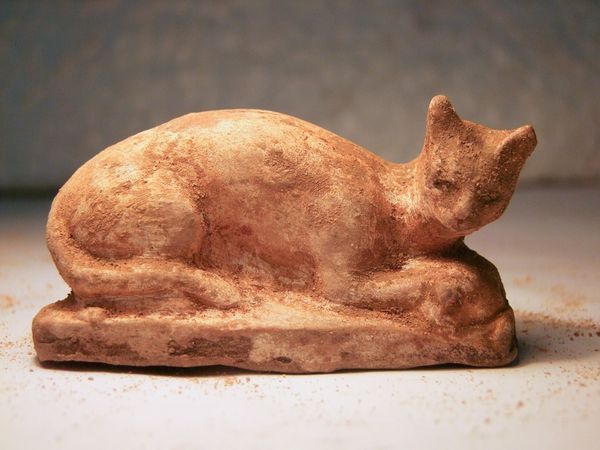
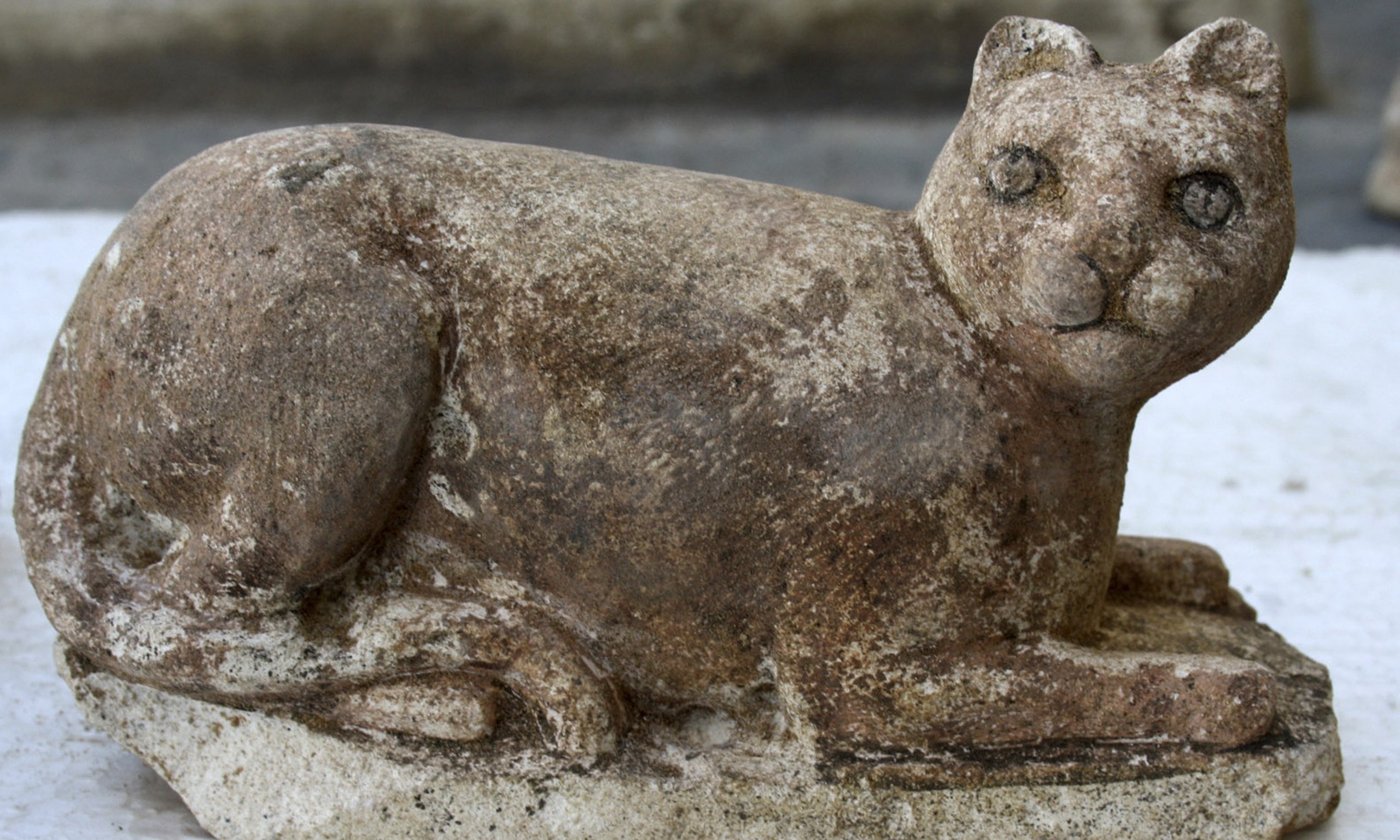
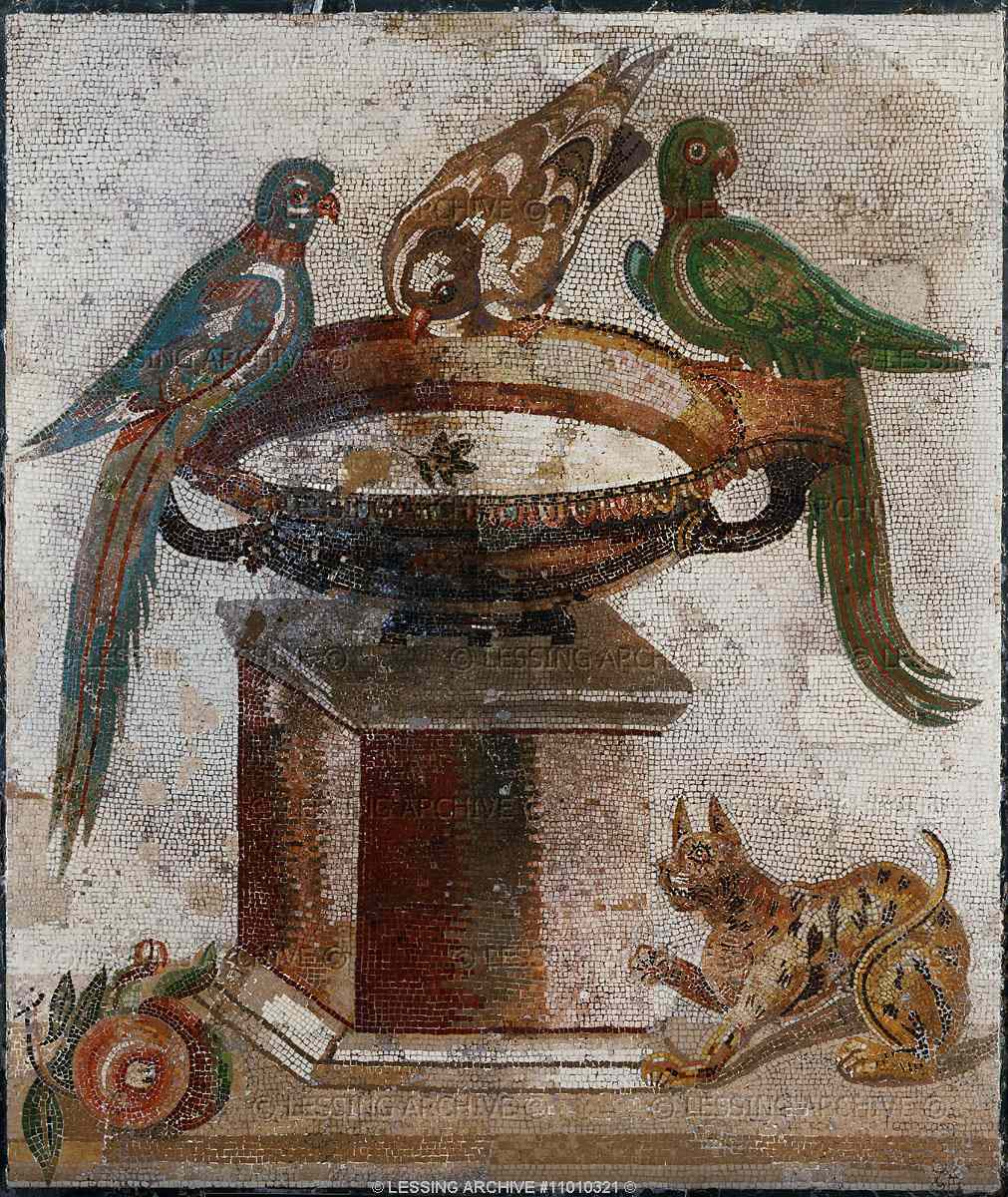
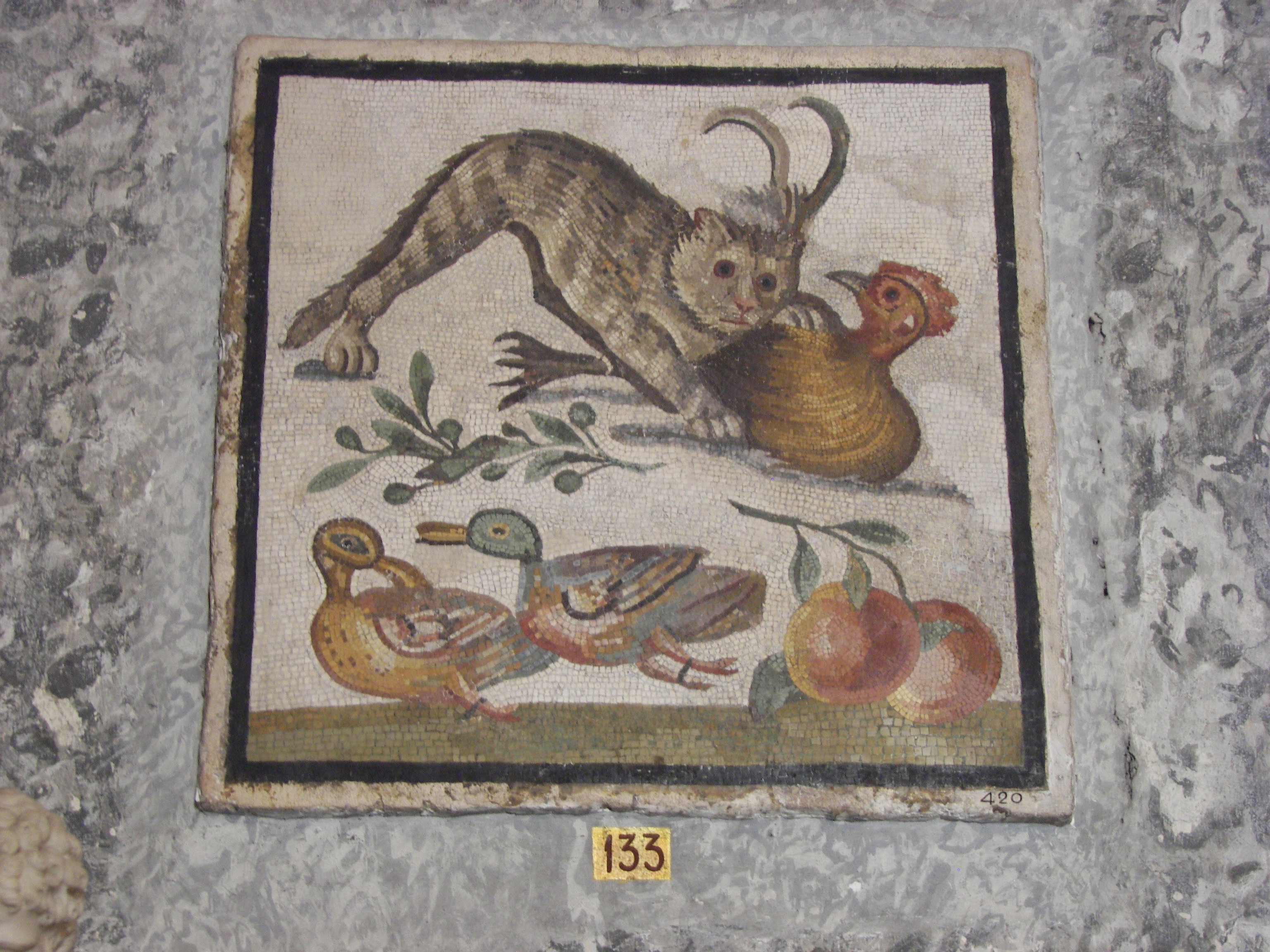
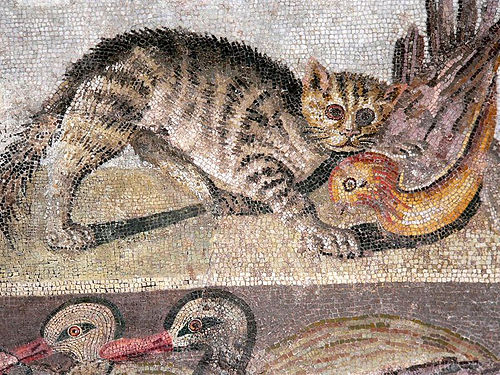
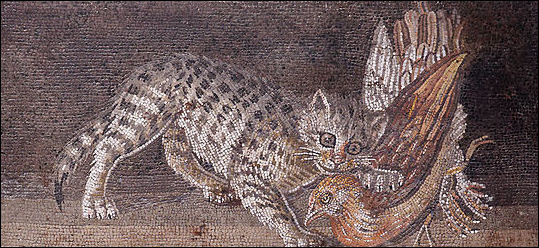
The research appears Nov. 10 in the Proceedings of the National Academy of Sciences Early Edition.
Cats have a relatively recent history of domestication compared with dogs; canines arose from wolves over 30,000 years ago.
“Cats, unlike dogs, are really only semidomesticated,” said senior author Wes Warren, PhD, associate professor of genetics at The Genome Institute at Washington University. “They only recently split off from wild cats, and some even still breed with their wild relatives. So we were surprised to find DNA evidence of their domestication.”
http://news.wustl.edu/news/Pages/27653.aspx
Posted in Uncategorized
Leave a comment
 Stannous Flouride's Book of Truthiness