

























 The Truthiness Shall Set You Freak
- New flying reptile species was one of largest ever flying animals
- Fancy & freaky fucking footwear!
- My Building Museum
- Haight Ashbury Street Fair Posters
- For Sale: 1939 Porsche Type 64
- Scored a Righteous T @ Haight Ashbury Today
- San Francisco MUNI in the 1970s
- TAKE LSD AND SEE 💡
- An Ex-Army Medic’s Collection
- Astronomers Make Massive Discovery on the Far Side of the Moon | Smithsonian
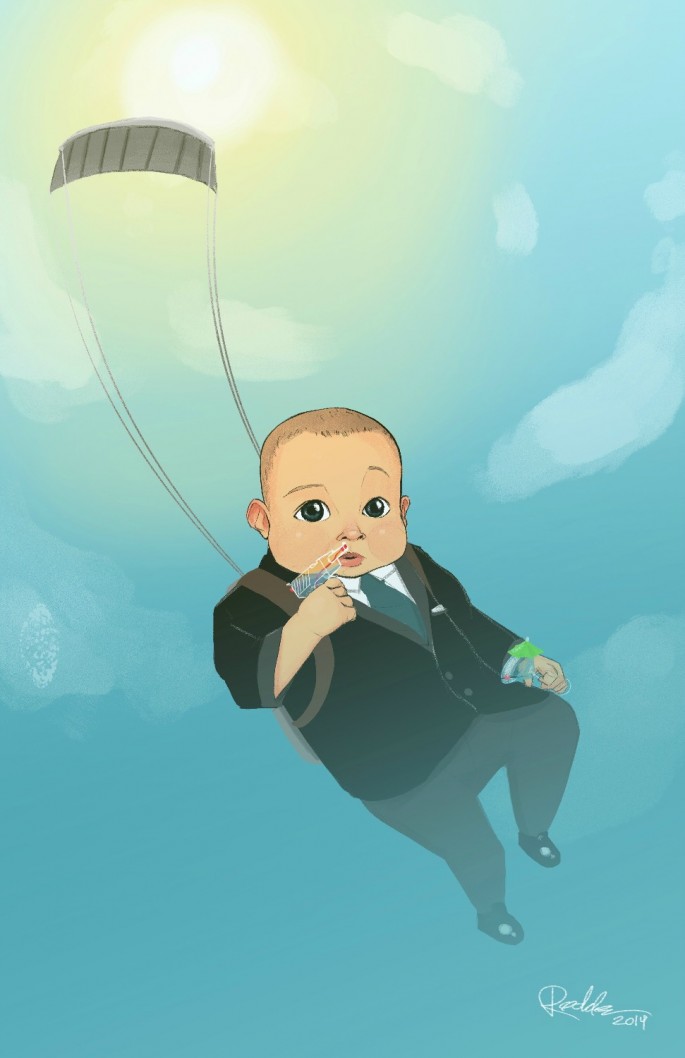
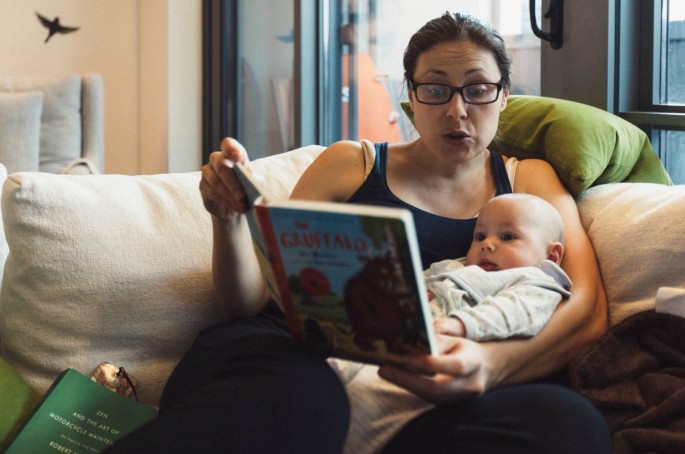
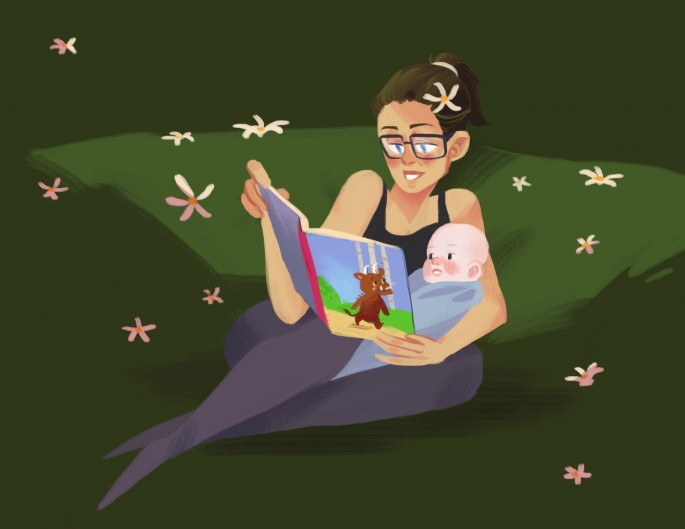
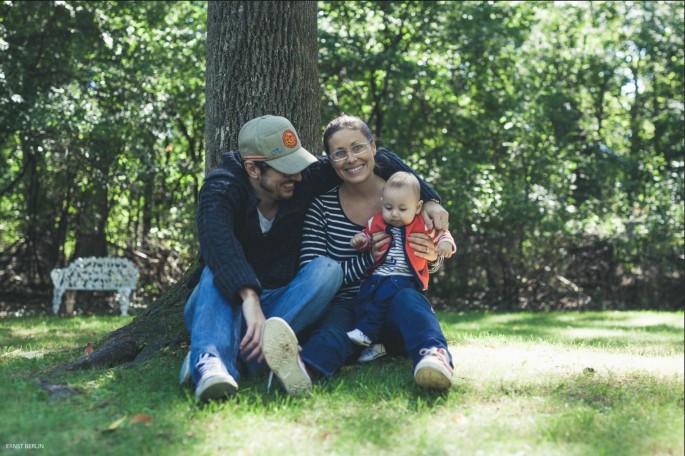
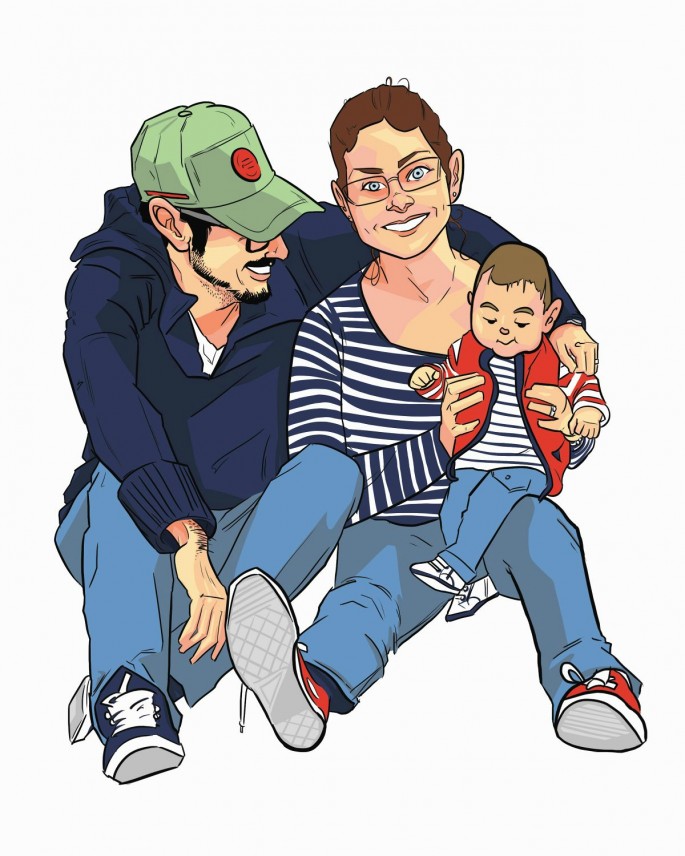
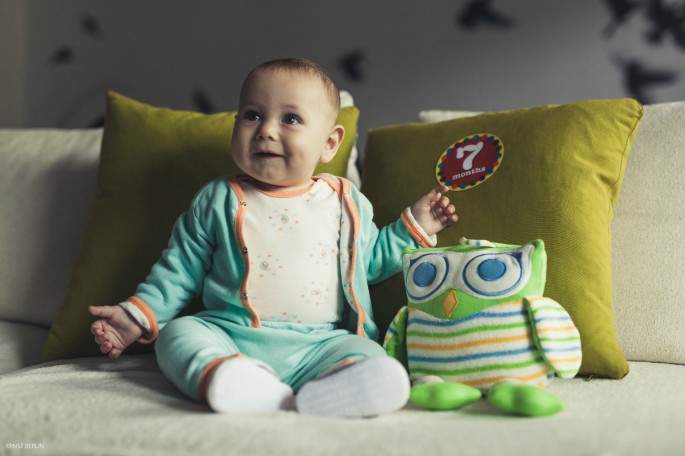
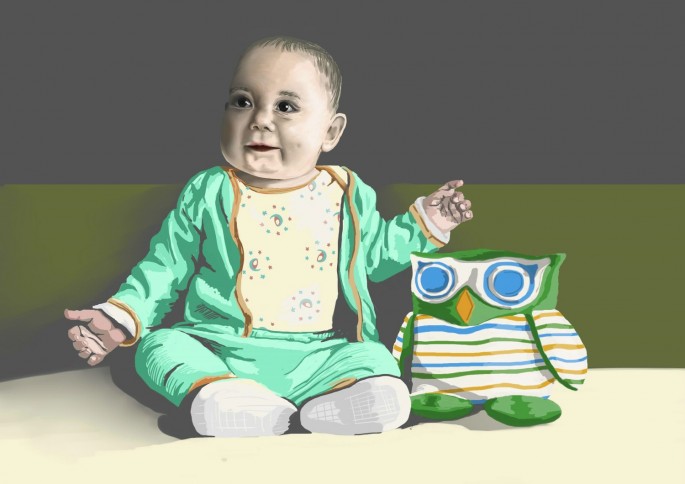
Guy gives his wife 24 images of their new baby for her birthday
Have a tissue handy. Maybe two.
Ernst Berlin wanted to make his wife’s first birthday with their new baby really special; so he turned to Reddit Gets Drawn, where artists of a variety of styles will interpret your photographs for you. He commissioned 24 artists to draw portraits of their adorable 8-month-old son Jacob.
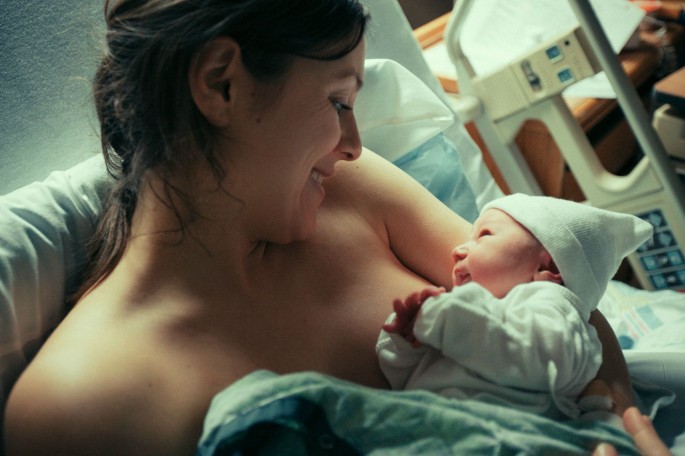
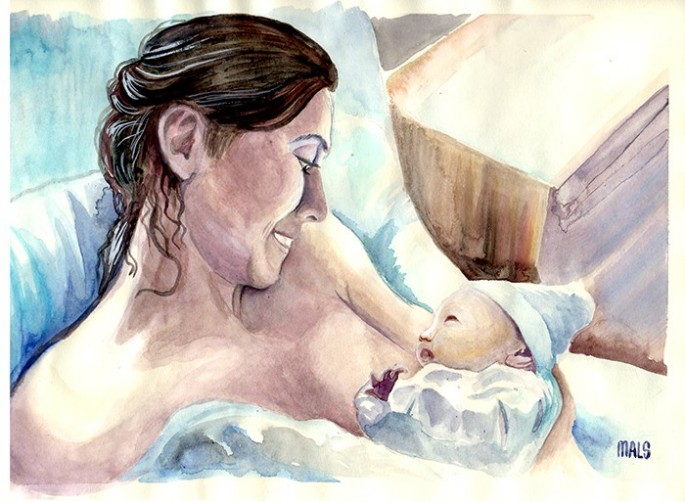



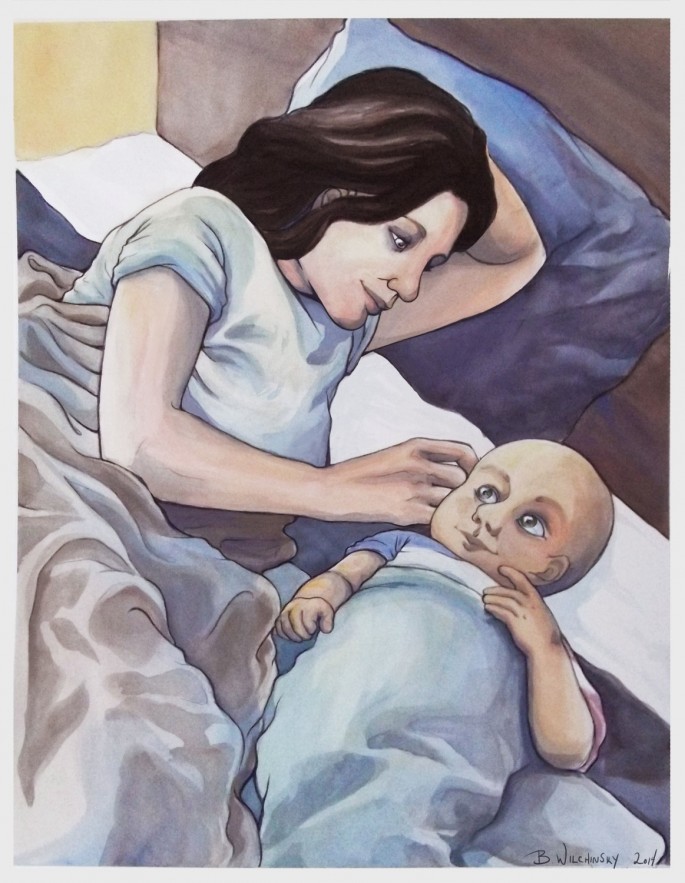



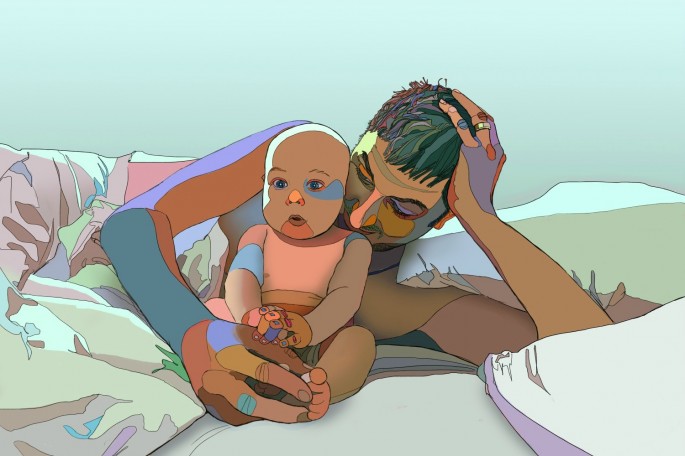





Posted in Uncategorized
Leave a comment
The Evolution of the Nurse Stereotype via Postcards: From Drunk to Saint to Sexpot to Modern Medical Professional
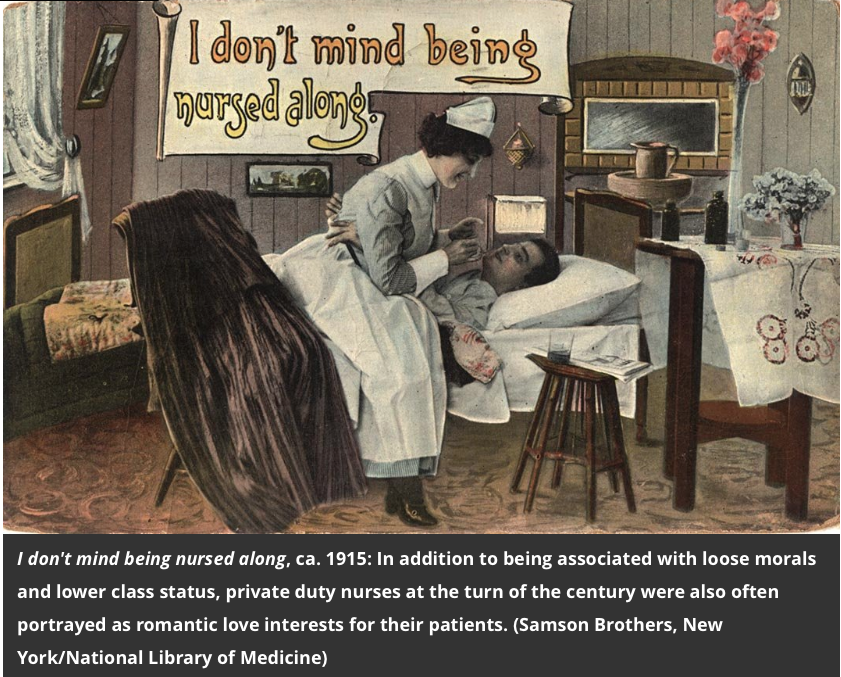
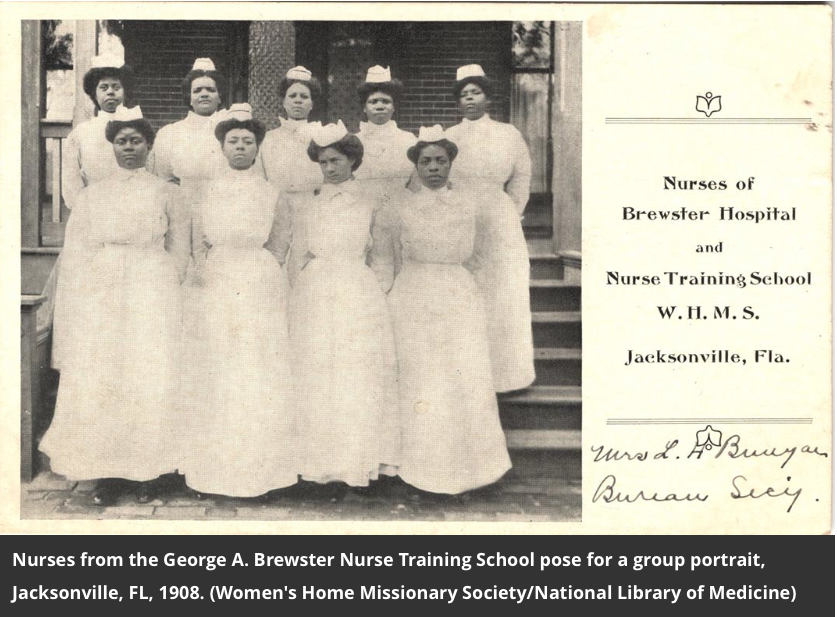
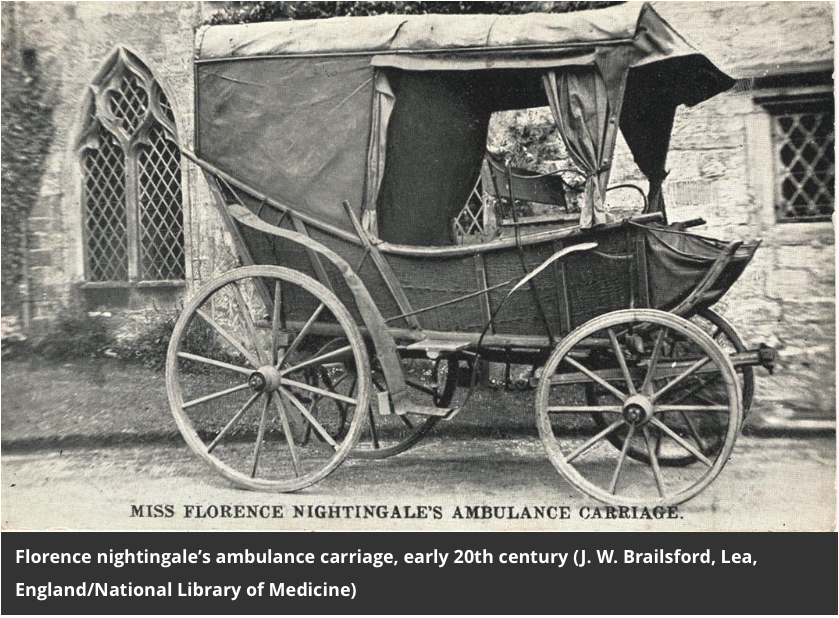
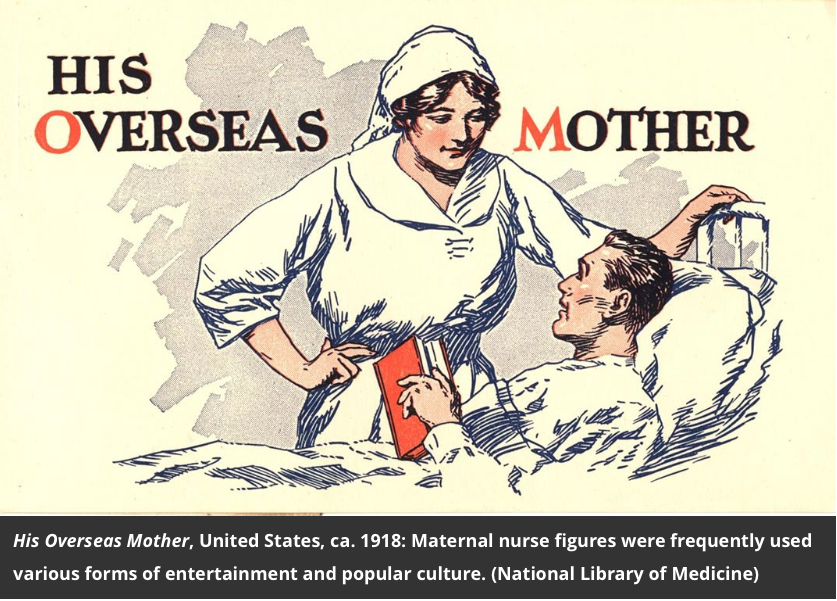
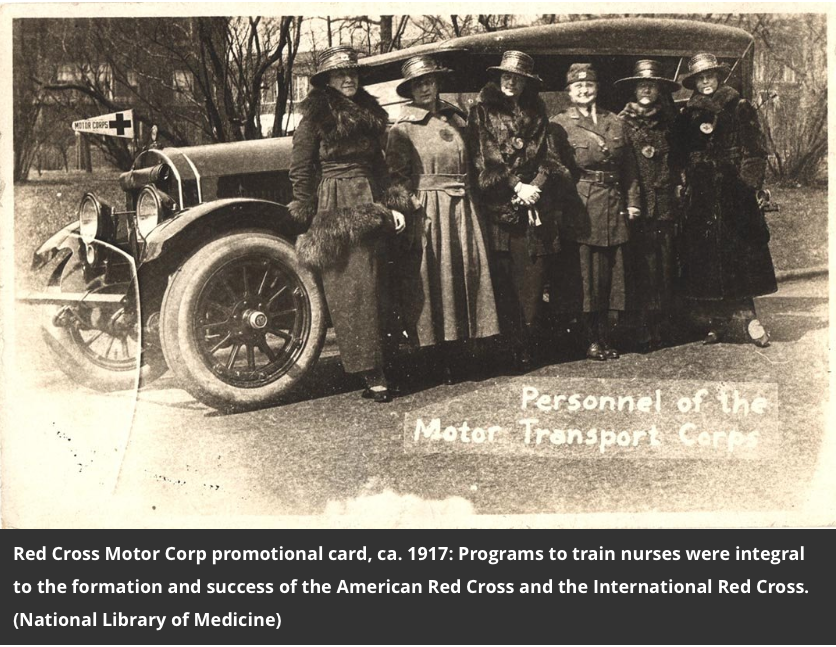
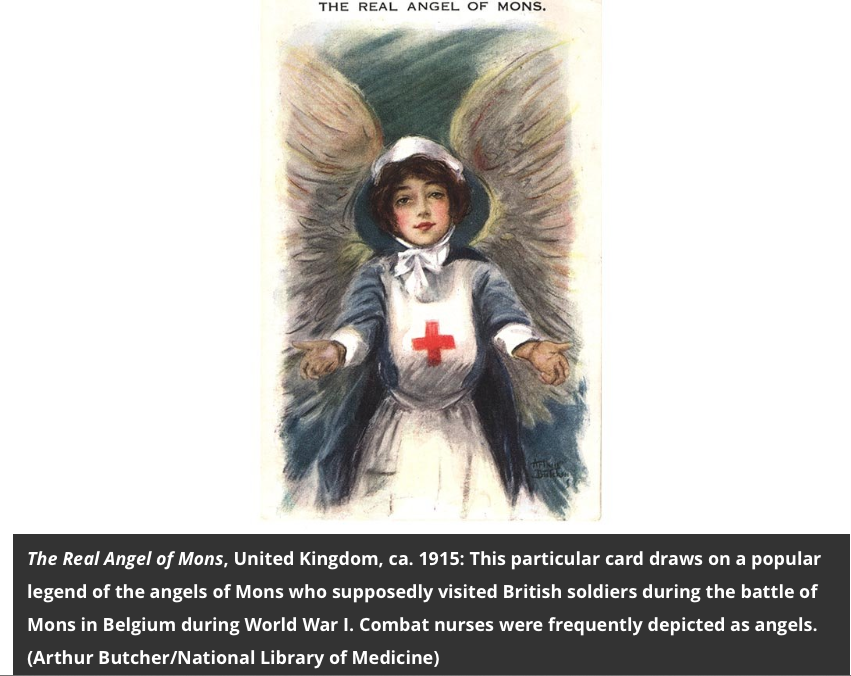
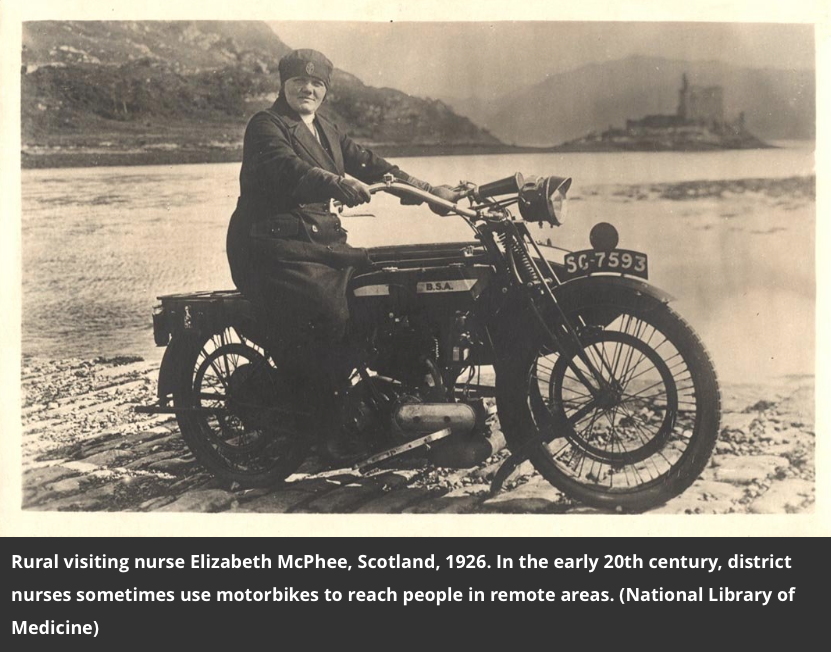
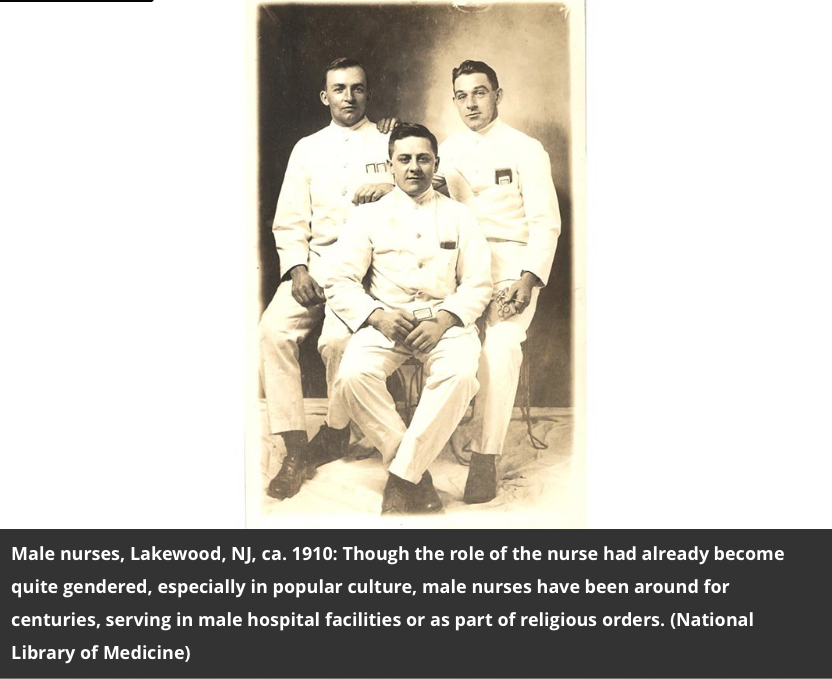
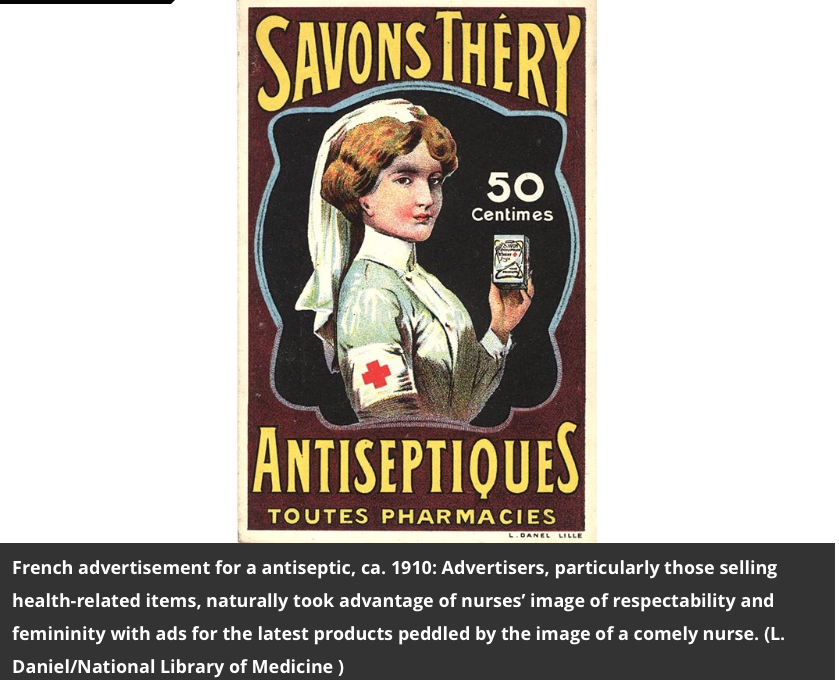
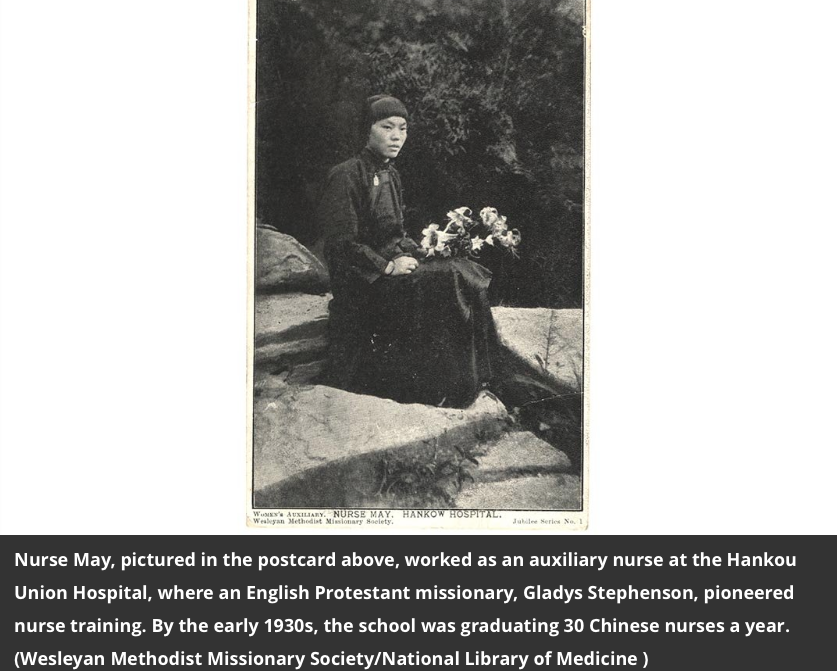
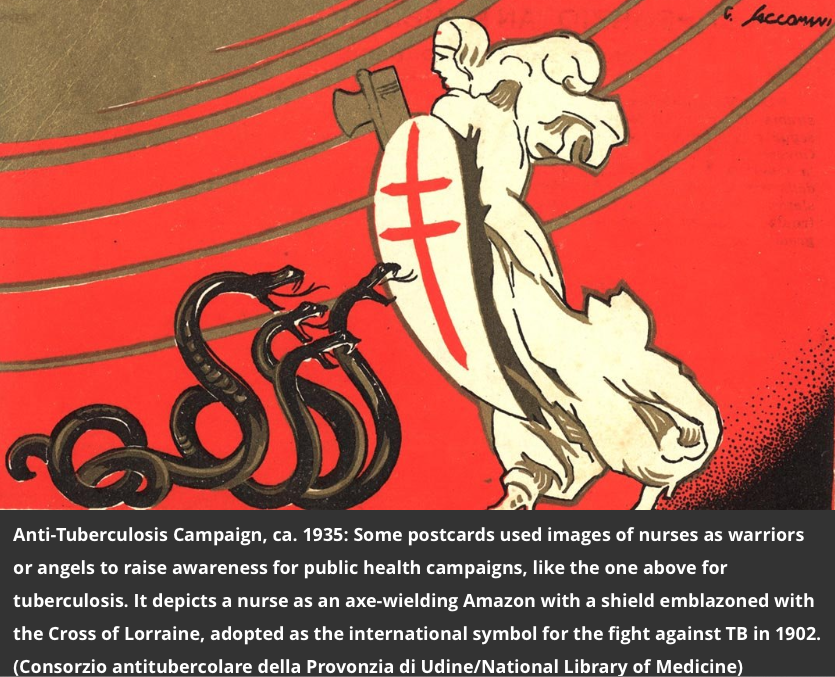
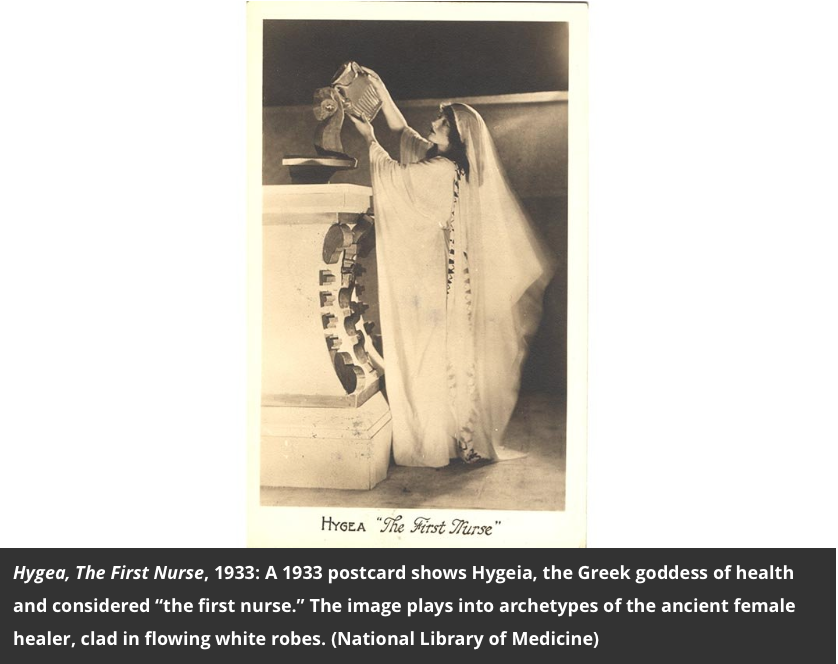
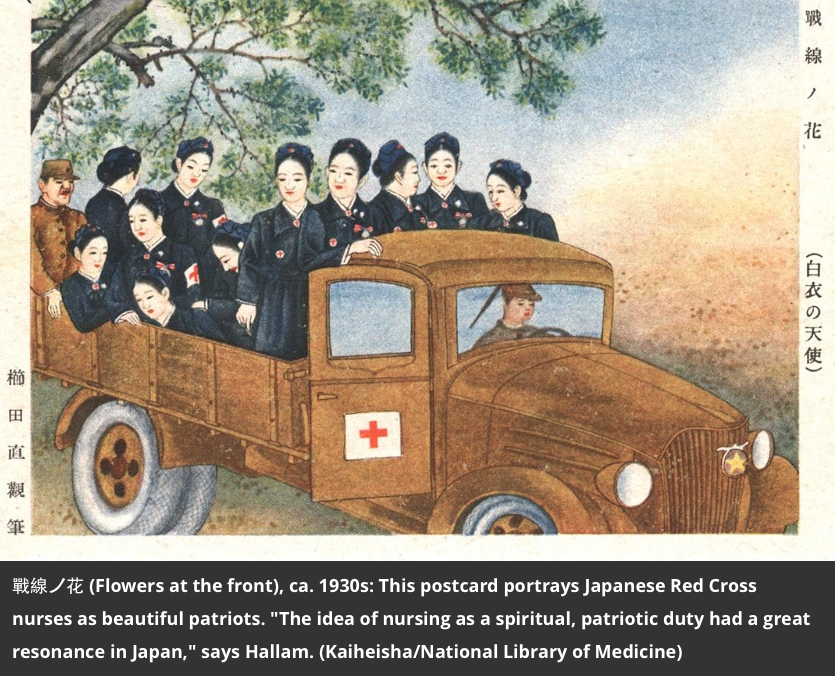
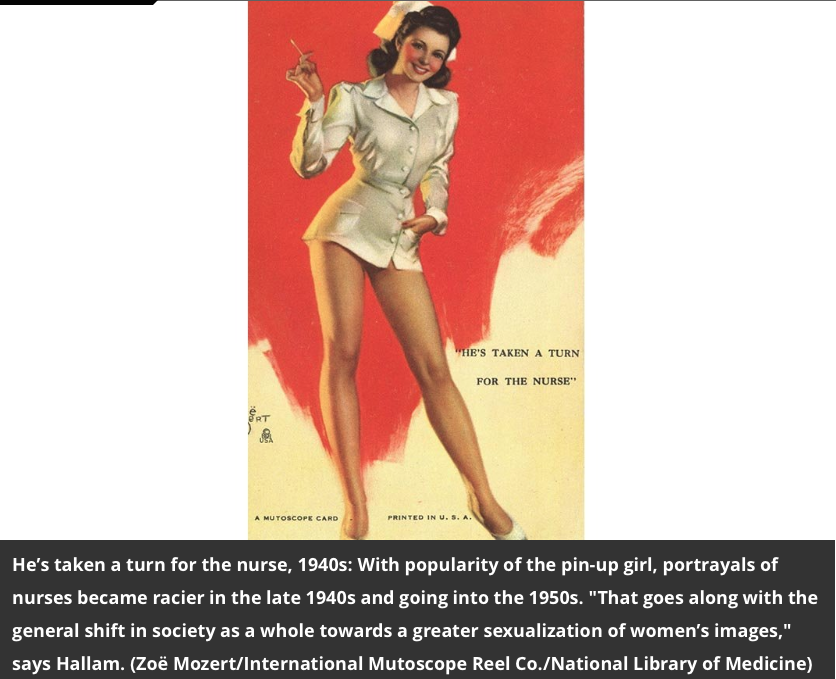
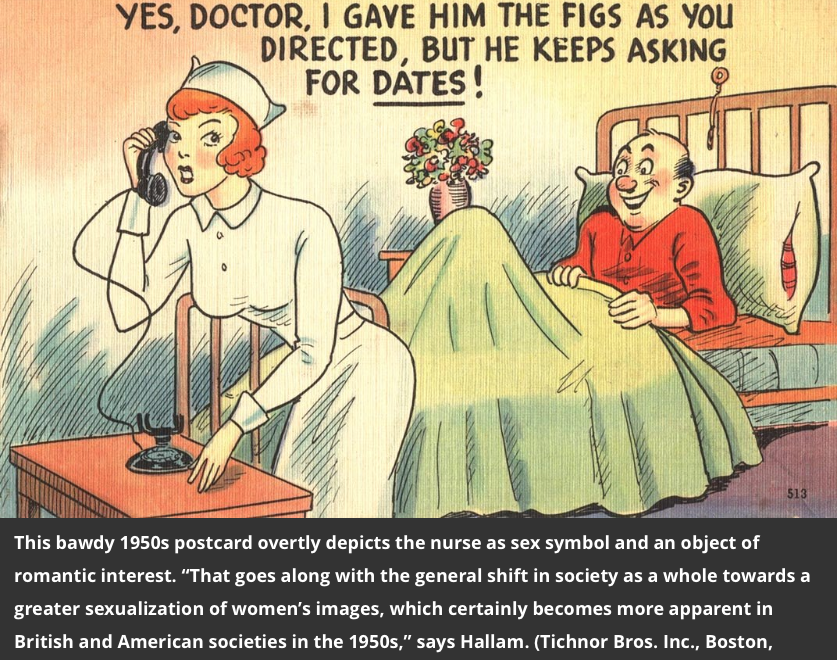
Florence Nightingale knew how to work the press. The Times first painted her as an iconic female healer—the “lady with the lamp”—for her work in the Crimean War in the 1850s. Nightingale used her nursing image to drive public health legislation and improve sanitary conditions in the British army.
But, the basic image wasn’t necessarily new. “The nurse as a symbol of health—good health—dates back to ancient times,” says Julia Hallam, a professor of film and media at the University of Liverpool who curated a new exhibit on nursing at the National Library of Medicine in Bethesda, Maryland. “Pictures of Nursing” opened earlier this month with a guest lecture from Hallam. The exhibit covers nurses of all varieties, ethnicities and genders through what, to some, might seem an unorthodox medium: the postcard.
“The postcard is a very fleeting art form, and one that in the age of electronic communication—email, twitter, selfies, Flickr, and Instagram—looks ever more anachronistic,” says Hallam. Today, postcards have been relegated to documenting exotic vacations. But, in their heyday at the turn of the 19th century, postcards were all the rage, an easy way to keep in touch without having to write a lengthy letter.
First patented in the U.S. in 1861, early postcards featured printed images of drawings, paintings and comics. With the rise of personal cameras, “real photo” postcards became all the rage. As a result, postcards can provide a snapshot (both literal and figurative) of popular culture.
Over the years, postcards depicting nurses were used as recruitment tools, fundraising, advertising and even propaganda. The current exhibit draws from the NLM’s collection of 2,588 postcards produced between 1893 and 2011, donated by former nurse and collector Michael Zwerdling.
“In selecting the cards, I wanted to communicate a history of nursing that placed it in the context of rapid changes in society and gave birth to modern professional nursing and the gendering of the profession,” says Hallam. From sexualized pin-up images of the 1950s and 1960s to fierce patriots during wartime to angelic matriarchs of the Victorian era, the postcards portray a pantheon of nurses in popular culture through comics, paintings and photographs.
Nursing didn’t truly become a day job until the late 19th century, thanks in large part to the work of pioneers like Nightingale, Clara Barton and Dorothea Dix. “The idea of nursing as a professional vocation captivated the imaginations of young women, not only in Britain but around the world,” says Hallam.
In addition to setting up a training school in London, Nightingale “wrote letters constantly—the equivalent of an email lobbyist today,” says Hallam. (Perhaps modern nurses could learn a thing or two about how to use media to one’s advantage from their enterprising Victorian predecessors.)
By the early 1900s, nurses had a distinct stereotype: feminine, middle class, Christian and white. This played into Victorian ideals of femininity and imperialism. The sacrifices of military nurses like Edith Cavell, executed by German troops in Belgium during World War I, only added to this image. Popular culture ignored nurses who didn’t fit these criteria. The exhibit shines a light on rarely seen images of male nurses, nurses from minority populations in the United States, and women training to be nurses under colonial rule.
Pictures of private nurses at the turn of the century were decidedly less flattering—frequently drunk with loose morals and of a lower social class. “It’s an image that represents a fear of disease, contagion and a fear of the knowledge, of the physical work associated with nursing,” says Hallam.
As if it wasn’t already governed by contemporary gender roles, nursing became entrenched as a distinctly female profession in the 1920s and 1930s. Male doctors drew strong lines between nursing and medicine, and this pervaded popular culture. “Female stars of stage and screen played nurses, while men are courageous soldiers and handsome doctors,” notes Hallam.
The heroic work of nurses during World War II shifted public perception in the United States, but in the 1950s and 1960s, television shows also helped to cement the stereotype of the sexy nurse. “The images certainly get racier and the innuendo that we see on cards from an earlier period becomes more explicit,” says Hallam.
By the 1980s, nurses were actively trying to upend such imagery, and they’ve been successful for the most part. The few modern recruitment postcards in the exhibit feature nurses of all genders, races and classes. That said, nurse stereotypes are still ingrained in our popular culture—every modern Halloween costume shop carries a sexy nurse costume.
Rather than wax nostalgic about the past, Patricia Tuohy, the NLM’s head of exhibition programs, hopes that visitors come away “thinking critically about where those images come from, what they mean and what that might mean for nursing today.”
Posted in Uncategorized
1 Comment
Bryan Cranston Reads Hilarious R-rated “Kids” Book
(If Your Kid’s a Picky Eater, You’ll Relate)
If you had a baby or toddler two years ago, you probably saw the book Go the F*** to Sleep, accompanied a little while later by Samuel L. Jackson’s fantastic reading of it, which he did because when he read it, he “fell out laughing.”
Now, author Adam Mansbach is back with another “kids” book that you can never — never — read to your kids. This one is called You Have to F***ing Eat, and this time around he enlisted Bryan Cranston to read the hilarious bedtime story…
Posted in Uncategorized
Leave a comment
Meet the ancestors: Exhibition at Bordeaux gallery reveals faces of prehistoric humans
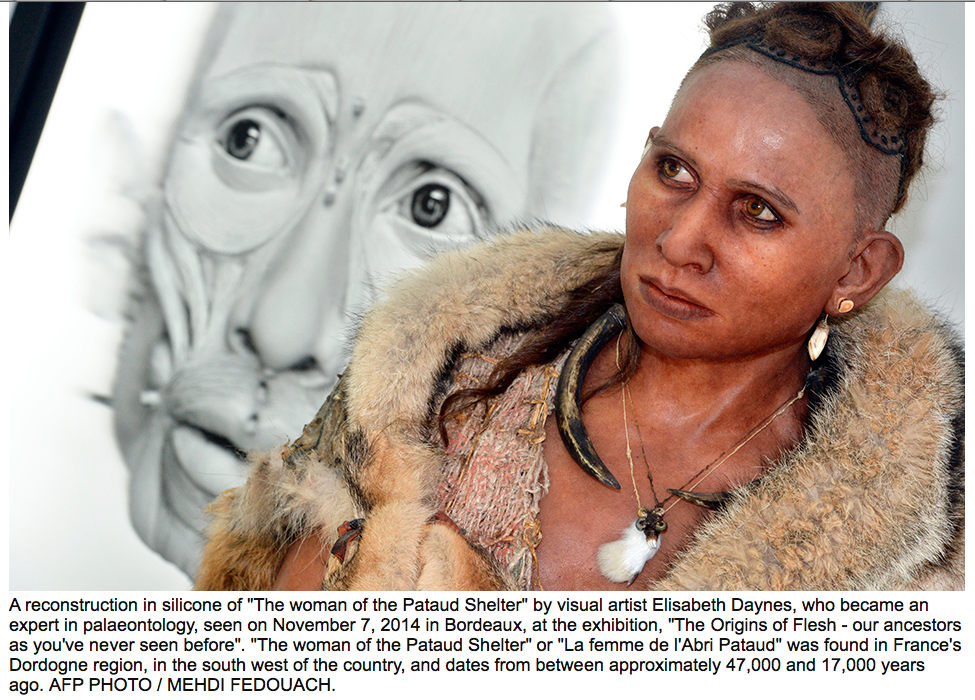
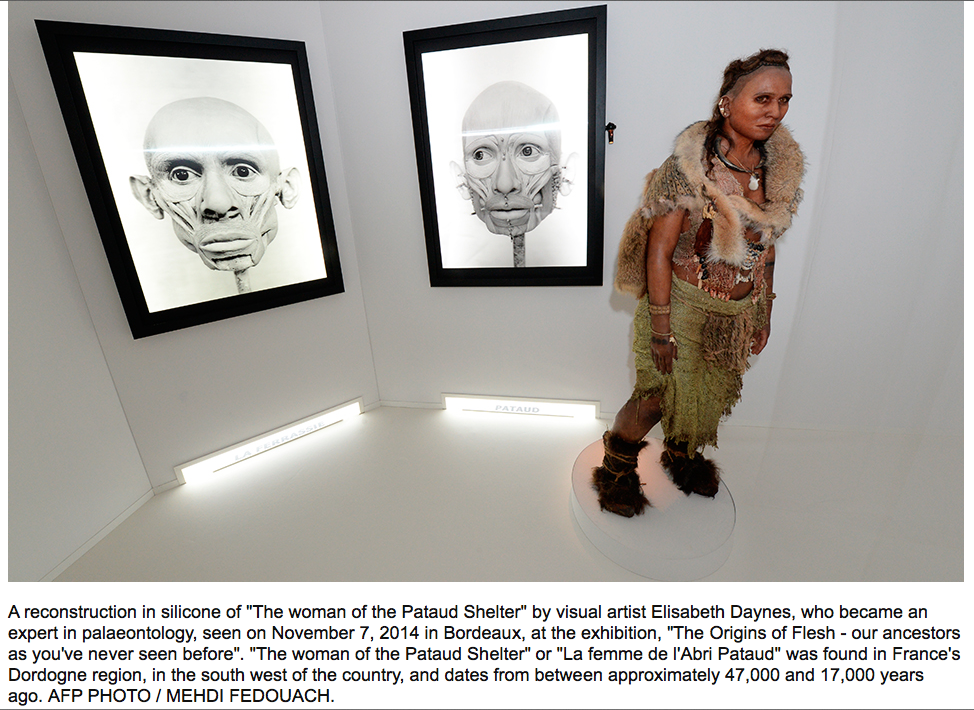
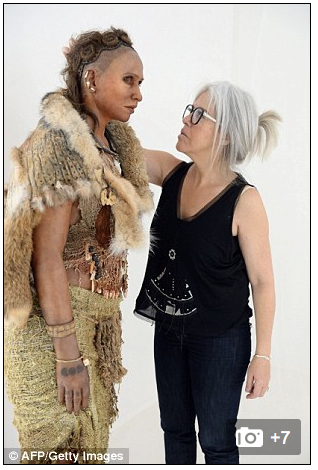
BORDEAUX (AFP).- Her clothes are made from fur, hemp and nettle and for decoration she sports ivory and bone beads. She has dark hair worn in dreadlocks, tattoos and a penetrating stare. Dubbed “the woman from the Pataud shelter”, little is known about this figure from prehistory — except how she might have looked.
Although the dreadlocks and tattoos are pure conjecture, modern scientific techniques mean the facial features of a long-dead person can now be accurately reconstructed.
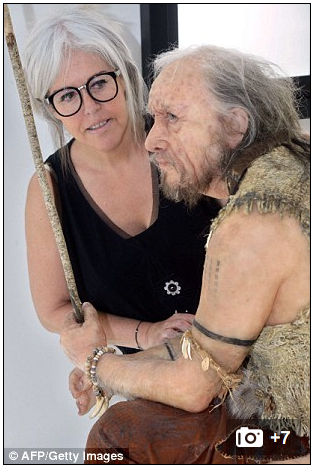
Former French make-up artist turned palaeontology expert and sculptor Elisabeth Daynes, has painstakingly created a model of Pataud woman. Believed to have lived around 17,000 years ago in France’s southwestern Dordogne region, her skeleton was found there in a rock shelter. The life-size model is one of two star attractions at an exhibition being held at a Bordeaux gallery entitled “The Origins of Flesh — our ancestors as you’ve never seen them before”.
The other model has been named “Chancelade Man” and is also based on remains found in the region in 1888.
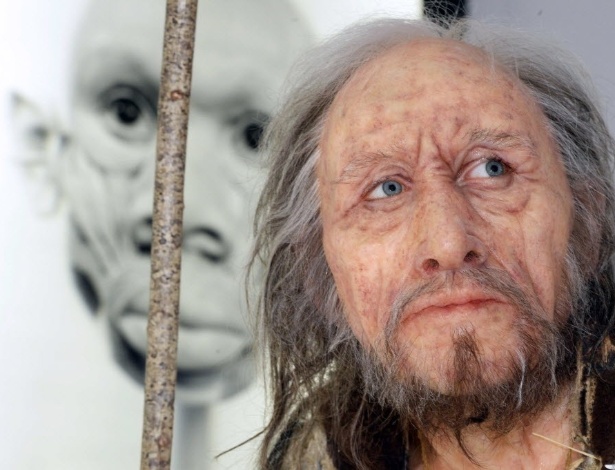
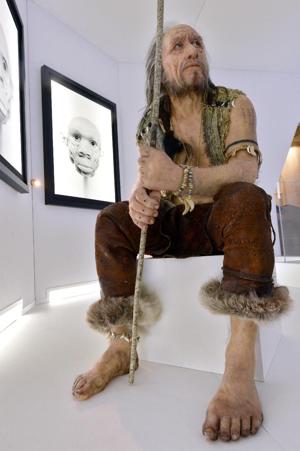

His reconstructed face appears pensive. He has blue eyes, deeply lined skin and long, thinning grey hair. The skeleton was found beneath the floor of the same Dordogne rock shelter.
Daynes started out as a make-up artist and maker of hyper-realistic theatrical masks at the Theatre du Nord in Lille. But for 30 years now she has been recreating the faces and bodies of our ancestors from hominid fossils in her studio in eastern Paris. Painstakingly recreated likenesses are obtained by the computer modelling of 18 craniometric data points across the skull. These give detailed pointers to muscle structure and shape of features that define a face such as the nose, chin and forehead. “My work is done just like a forensic investigation, from casts taken from prehistoric skulls, reconstructed exactly like police composite sketches,” she said. According to Daynes, the sophistication of modern scientific techniques means that many details about an individual who lived many thousands of years ago can now be pieced together simply by having their bones. The Pataud shelter woman is believed to have died prematurely at around the age of 20. Daynes, who calls herself the “sculptress of prehistory” has built an international reputation for facial reconstructions which she calls a collaboration between “anthropology, forensic science (and)… art”.
One of her first scientific collaborations was with Jean-Noel Vignal, a former head of the Police Forensic Research Institute in Paris, who had developed a computer programme to estimate muscle and skin thickness. Together they reconstructed a Neanderthal from La Ferrassie, a cave site in France. Her reconstruction of “Lucy”, a famous human-like creature that lived around 3.2 million years ago, meanwhile, stunned visitors to the National Museum of Anthropology and History in Mexico City for its life-like quality. In 2006, she was also part of a major international project involving teams of scientists and artists from France, the US and Egypt, to reconstruct the face of the Egyptian boy king Tutankhamun. The Bordeaux exhibition runs until December 5.
© 1994-2014 Agence France-Presse
Posted in Uncategorized
Leave a comment
Plants that ‘speak’ to bats!
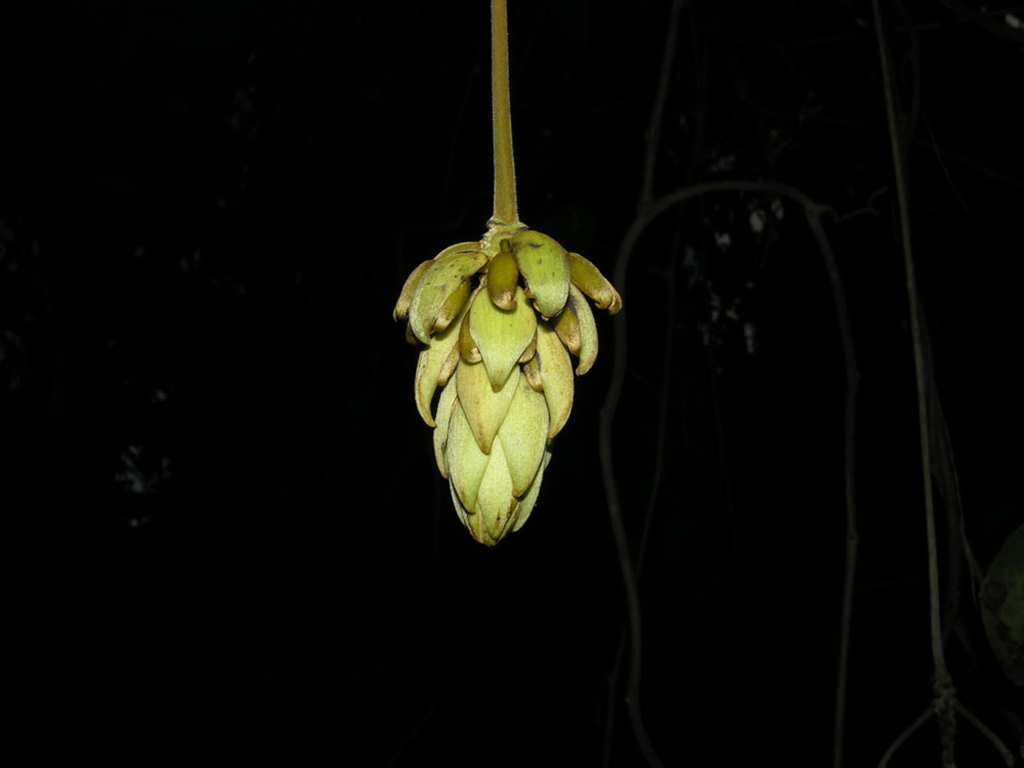
Mucana Holtinii

Marcgravia evenia

Tamara Bonnemaison (who wrote this text) was inspired to learn more about Mucuna holtonii after reading a National Geographic article about plants that “speak” to bats. This beautifully-written article, “Call of the Bloom“, follows the work of Dr. Ralph Simon through his discovery that many bat-pollinated tropical plants have special features that reflect sonar in particular ways, allowing bats to quickly find them in the dark and over large distances. Mucuna holtonii was one of the first species examined for its capacity to guide echo-locating bats to its nectar-rich flowers. This neotropical vine grows high in jungle canopies of central America, and dangles its flower clusters on long stems, isolating the night-blooming flowers from surrounding vegetation. This on its own provides ideal conditions for bats to locate the flower and access its nectar, but the species makes this process even easier through an adaptation that bounces back the bat’s sonar at a high amplitude.
Like many other members of the pea family, the flowers of Mucuna holtonii have a banner, keel, and wings formed by 5 irregular petals. In Mucuna holtonii, the banner (also called the vexillum or standard) is waxy, concave and is raised like a flag (or should I say a satellite dish) as the flower bud opens. Today’s photo shows this quite clearly, and it is easy to imagine sound bouncing off of the banner’s surface in a clear and concentrated manner. The researchers Dagmar and Otto von Helversen found that the presence of these banners made a remarkable difference in bat visitation rates. In their study, 88% of virgin flowers were visited by bats, but when the researchers removed the banners, that number dropped to only 21%. Mucuna holtonii is but one of many plant species that makes itself more visible to echolocating pollinators. In an effort to find other plants with acoustic capabilities, Dr. Ralph Simon has started the Flower Echo Project, and has so far tested the echoes of over 65 flower species.
Flower-bat communication is only one of the many interesting features of Mucuna holtonii. Although I did not come across any common names for this species, the seeds of many Macuna species are referred to as “sea beans” because they often float down rivers and into the ocean (they are also called hamburger beans for their appearance). Washed up on far-away shores, the beautiful black seeds are often polished and strung to form necklaces and bracelets. Kew Garden’s Economic Botany Collection is home to one such bracelet, made of a combination of Mucuna holtonii seeds and the smaller seeds of three other species.
Posted in Uncategorized
Leave a comment
Comet Close-up

Welcome to C67/P Churyumov-Gerasimenko
Image Credit: ESA/Rosetta/Philae/CIVAExplanation: The Rosetta Mission lander is safely on a comet. One of Philae’s feet appears at the bottom left of this spectacular image of the surface of C67/P Churyumov-Gerasimenko. Still a happy lander, Philae bounced twice before settling and returning images from the surface, traveling a kilometer or so after initially touching at the targeted site Agilkia. A surface panorama suggests that the lander has come to rest tilted and near a shadowing wall, with its solar panels getting less illumination that hoped. Philae’s science instruments are working as planned and data is being relayed during communications windows, when the Rosetta spacecraft is above the lander’s new horizon.
Posted in Uncategorized
Leave a comment
Dark Sky Parks
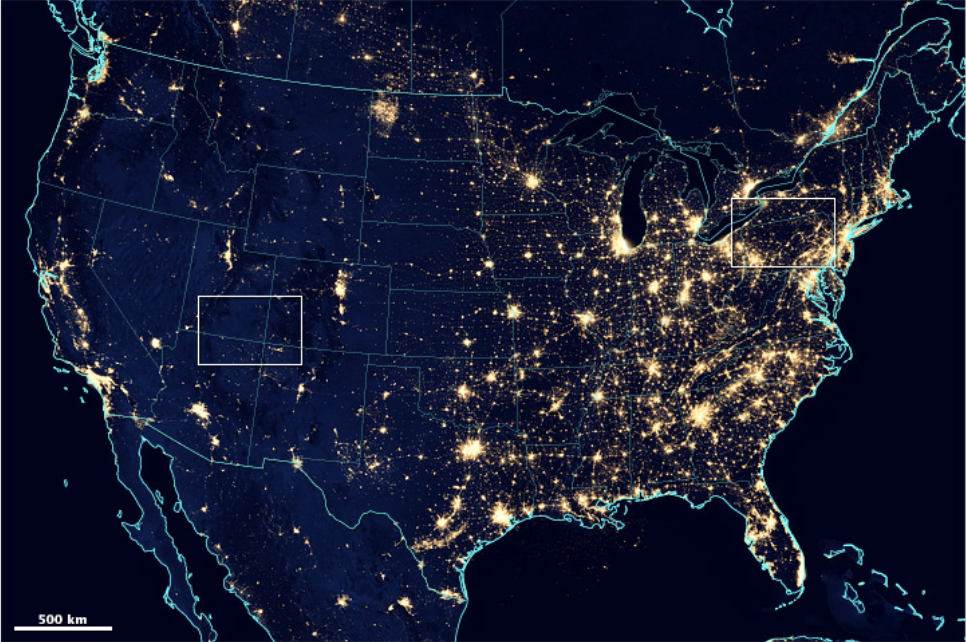
The annual Leonid meteor shower will reach its peak this week. But will you be able to see it? You might need to get away from city lights.
About 80 percent of people in the United States live in urban areas. In these areas, the glow of artificial light sources can blot out the wonders of the night sky. City lights make it hard to see anything besides the brightest stars, planets, and celestial phenomena.
For the best viewing, you need to find an area well away from city or street lights. One solution is a dark sky park. In the U.S. and around the world parks are achieving certification from the International Dark Sky Association(IDA), an organization that calls attention to light pollution. To gain certification, a park must not only meet specific requirements for the quality of observing conditions, but it should also fulfill other obligations such as having a lighting management plan and education programs.
The image of the United States above is a nighttime composite assembled from data acquired in 2012 by the Visible Infrared Imaging Radiometer Suite on the Suomi NPP satellite. The inset boxes show the general location of two IDA gold-tier parks—the highest dark sky designation—where the full array of visible sky phenomena can be seen with the naked eye.
“It’s important to point out that these places aren’t “dark.” They are naturally lit by celestial sources. You can walk in a field in starlight, and through the woods in moonlight,” said Christopher Kyba, a postdoctoral scholar at the German Research Center for Geoscience and a member of the IDA board of directors. “The difference is that the city lights are way brighter than natural light, and that’s the problem.”
Posted in Uncategorized
Leave a comment
 Stannous Flouride's Book of Truthiness